Auto Tech in Focus: Autonomous EVs, Hybrids, and Micro-Trucks
*From self-driving Rivians to high-performance hybrids and tiny electric pickups, the US auto market is undergoing a rapid transformation.*
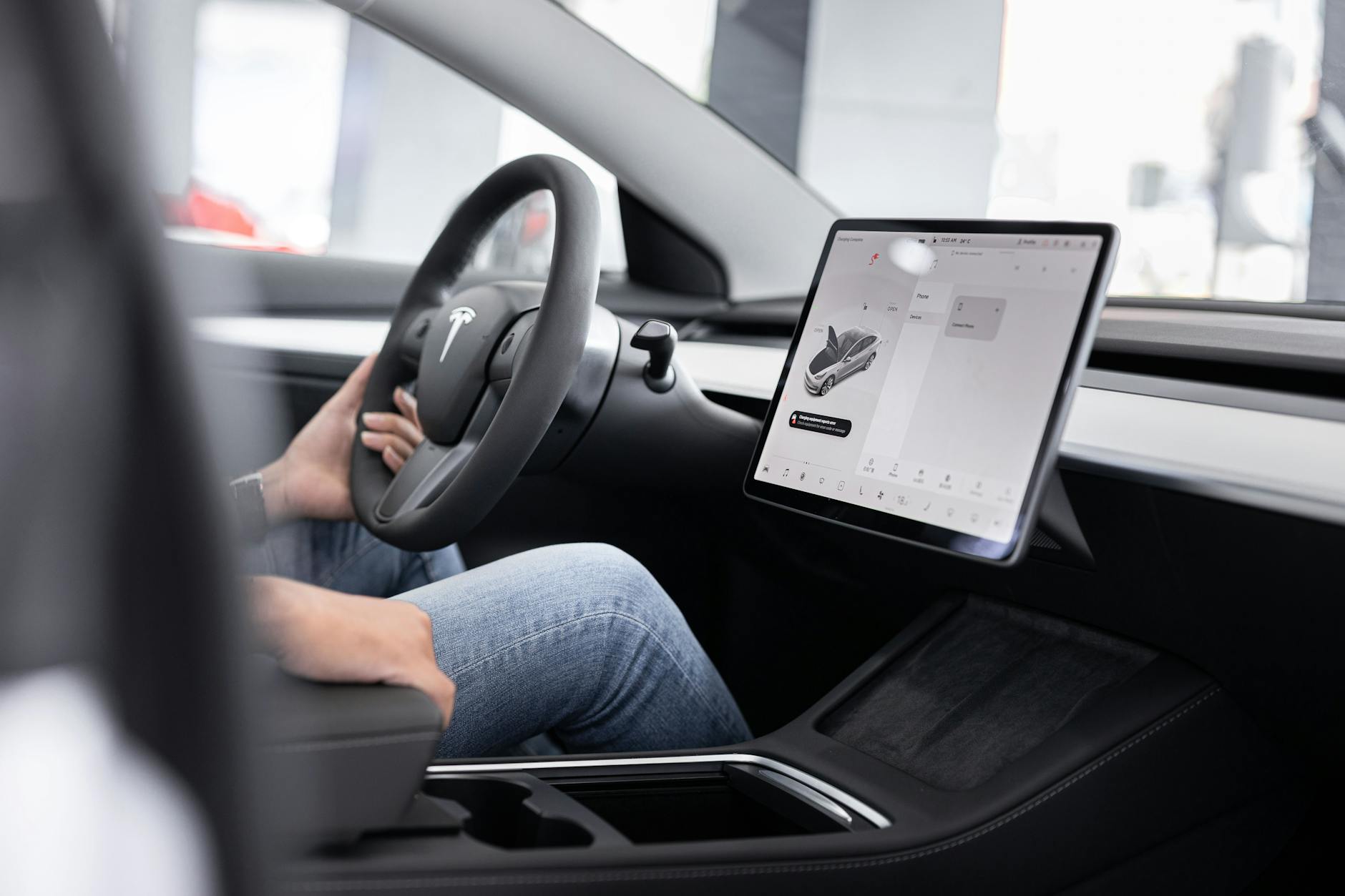
The automotive industry in the United States is currently navigating one of its most transformative eras. Gone are the days when consumer choices were strictly divided into conventional sedans, massive trucks, and utilitarian family haulers. Today, the sector is being reshaped by highly advanced software, electrified powertrains, and a renewed willingness among manufacturers to experiment with unconventional vehicle shapes.
From legacy luxury brands to ambitious electric vehicle startups, the latest developments highlight a broad push toward smarter, faster, and more diverse transportation options. The integration of high-level driver assistance software, the strategic use of hybrid powertrains for peak performance, and the introduction of micro-trucks all signal a shifting landscape for American drivers.
The Race for Autonomous Dominance
For years, the conversation surrounding autonomous driving in the United States has been largely dominated by a single major player. However, the wider electric vehicle industry is rapidly closing the technology gap, treating advanced driver assistance as a core pillar of the modern vehicle experience.
According to recent reporting by Road & Track, Rivian Chief Executive Officer RJ Scaringe has announced that the company’s own point-to-point autonomous technology will arrive this year. Scaringe noted that this self-driving suite will be directly comparable to Tesla’s Full Self-Driving system, marking a significant escalation in the ongoing software war between major electric automakers.
Point-to-point systems are designed to handle the bulk of driving tasks from a user's origin to their final destination. This typically involves complex real-time decision-making, such as navigating urban intersections, executing highway merges, and reacting to unpredictable traffic patterns. For Rivian, deploying this technology requires not only sophisticated onboard cameras and sensors but also immense computational power to process environmental data on the fly.
The introduction of such a system underscores how software updates are now just as critical as mechanical reliability. Modern vehicles are essentially rolling computers, capable of unlocking new capabilities long after they have left the dealership lot.
The Plug-In Hybrid Performance Push
While fully electric vehicles dominate headlines, the plug-in hybrid (PHEV) remains a highly relevant technology, particularly when engineered for high performance. Legacy luxury automakers are increasingly utilizing battery technology not merely to save fuel, but to push horsepower figures to extraordinary new heights.
According to Car and Driver, the 2027 Mercedes-AMG E53 wagon perfectly encapsulates this trend. Mercedes has equipped the performance-oriented wagon with a plug-in-hybrid powertrain capable of producing up to 604 horsepower. This represents a blend of extreme mechanical engineering and advanced electrical assistance, providing immediate torque and blistering acceleration.
Beyond raw power, the new E53 wagon offers an estimated electric-only driving range of 40 miles. For the average American commuter, this distance is often sufficient to complete daily errands or workplace commutes without ever burning a drop of gasoline. When longer trips are required, the internal combustion engine eliminates the range anxiety often associated with pure electric vehicles.
Car and Driver also notes that the vehicle features an updated interior packed with advanced technology, ensuring that the luxury experience keeps pace with the cutting-edge powertrain. This dual-purpose nature—combining the utility of a wagon with the efficiency of an EV and the performance of a supercar—demonstrates how versatile modern hybrid architectures have become.
Startups and the Micro-Truck Movement
The US market is famous for its affinity for massive, heavy-duty pickup trucks. Yet, the transition to electric power has opened the door for startups to rethink what a utility vehicle should look like, resulting in some highly unconventional designs.
As reported by Jalopnik, the automotive startup Telo has taken a major step forward with its MT1 electric pickup truck. Described as tiny and adorable, the Telo MT1 challenges the assumption that a capable truck must be oversized. By utilizing an electric architecture, designers can maximize passenger and cargo space within a dramatically smaller vehicle footprint.
Building a new car company from scratch is notoriously difficult, and capital-intensive hurdles have derailed many promising startups over the past decade. While Jalopnik points out that Telo’s ultimate fate is far from settled, the company has recently secured a manufacturing partner. Finding a third-party manufacturer is a critical milestone, as it allows the startup to avoid the multi-billion-dollar expense of building its own factory from the ground up.
The Return of Premium Wagons and Crossovers
Alongside futuristic software and electric micro-trucks, the broader passenger vehicle market is seeing a renewed diversification of body styles. While the standard mid-size SUV has been the default choice for millions of American families, automakers are bringing premium wagons and stylish subcompact crossovers back into the spotlight.
- The Premium Utility Wagon: According to Motor1, Audi will begin selling the new A6 Allroad wagon in the United States starting next year. The Allroad has historically offered a compelling alternative to traditional SUVs, providing a lower center of gravity, car-like handling, and rugged styling cues. Its return highlights a sustained demand among luxury buyers for versatile, high-end family transport that breaks the SUV mold.
- The Subcompact Urban Crossover: On the more accessible end of the spectrum, Car and Driver details the upcoming 2026 Toyota C-HR. Expected to continue its run as a subcompact crossover, the C-HR is defined by its distinctive styling and modern interior technology. Vehicles in this class are increasingly vital for urban drivers who need a compact footprint for city parking but still desire the elevated seating position and tech amenities of larger vehicles.
Ultimately, the latest updates across the automotive sector reveal an industry that is refusing to settle on a single path forward. Whether through the development of point-to-point self-driving software, the blending of massive horsepower with electric efficiency, or the introduction of right-sized urban utility vehicles, the American road is set to become significantly more diverse in the coming years.
Key Takeaways
- Rivian is preparing to launch a point-to-point self-driving system in 2026, aiming to compete directly with Tesla's autonomous software.
- Legacy brands like Mercedes-AMG are utilizing plug-in hybrid technology to combine extreme performance—up to 604 horsepower—with practical electric-only commuting range.
- The US vehicle market is diversifying, seeing the introduction of tiny electric truck concepts from startups like Telo alongside the return of premium European wagons like the Audi A6 Allroad.
Frequently asked questions
What is point-to-point autonomous driving?
Point-to-point autonomous driving refers to a vehicle's ability to navigate from a starting location to a final destination with minimal driver input, handling complex tasks like intersections and highway merges.
How much electric range does the 2027 Mercedes-AMG E53 wagon have?
The 2027 Mercedes-AMG E53 plug-in hybrid wagon offers an estimated electric-only driving range of 40 miles before relying on its gasoline engine.
Is the Telo MT1 pickup truck currently available?
No, the Telo MT1 is currently in the development phase. However, the startup recently announced a manufacturing partner, moving the compact electric truck one step closer to production.
- 01Road & Track: Rivian CEO Says Tesla-Like 'Point-to-Point' Self-Driving Technology Will Arrive This Year
- 02Motor1: Great News: The Audi A6 Allroad Is Coming To The US
- 03Car and Driver: 2027 Mercedes-AMG E53 Wagon
- 04Jalopnik: Tiny, Adorable Telo MT1 Electric Pickup Truck Moves One Step Closer To Making Me Eat My Own Words
This editorial article was written by US News Desk's editorial desk using current reporting from the publishers above. All facts were grounded against these sources.