Automotive Technology Shifts: Electric Wagons, Hybrids, and Track Racing
As automakers blend electrification with utility, a new wave of electric and high-performance hybrid vehicles is reshaping the global market.
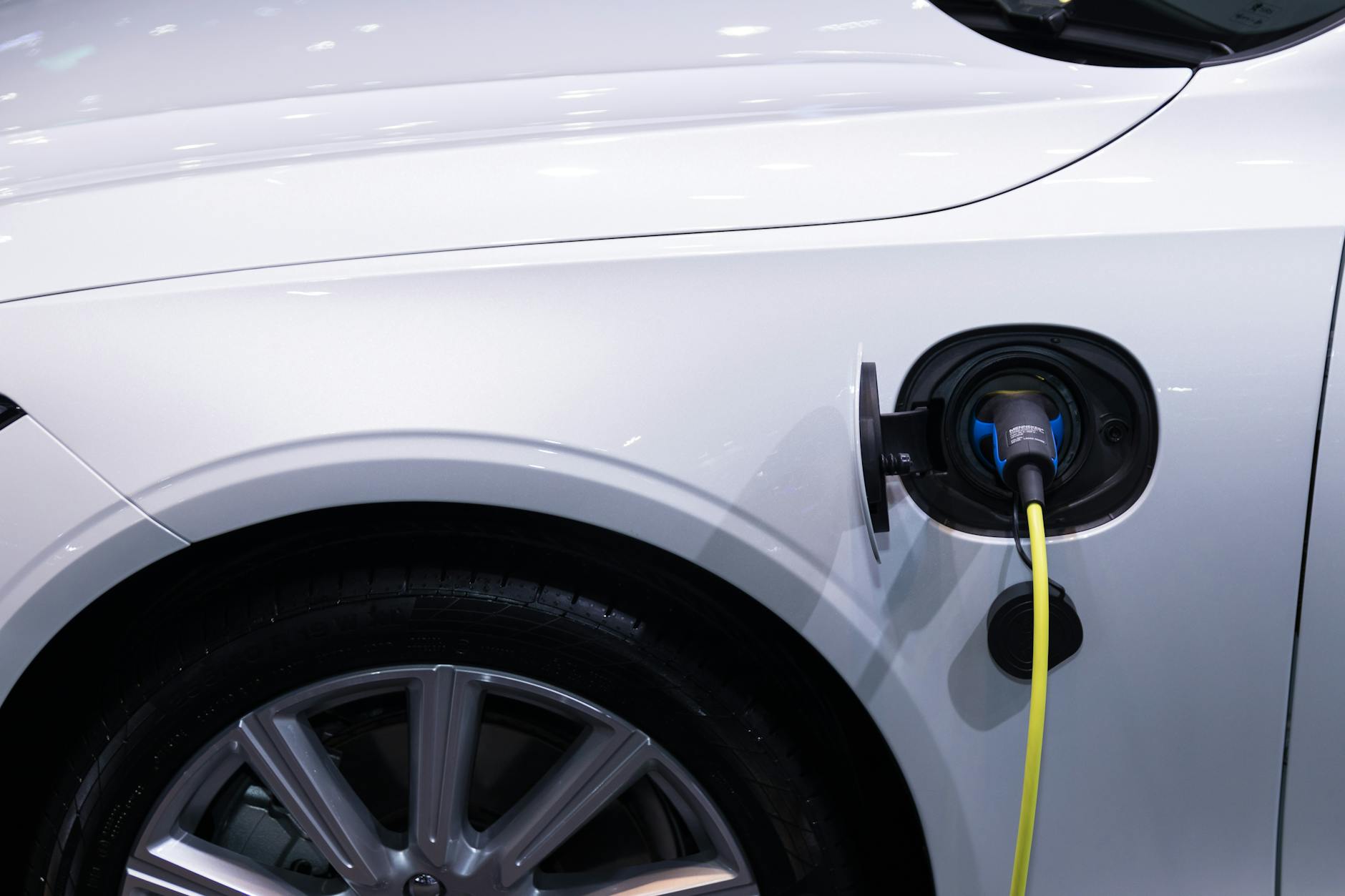
As automakers blend electrification with utility, a new wave of electric and high-performance hybrid vehicles is reshaping the global market.
The global automotive industry is currently undergoing one of its most significant technological transformations in history. As manufacturers navigate the complex transition toward sustainable mobility, they are also pushing the boundaries of traditional vehicle segments, from subcompact crossovers to high-performance luxury station wagons. Recent announcements across the industry highlight a multifaceted approach to automotive innovation that balances efficiency with driver engagement. Automakers are not only developing fully electric powertrains designed for off-road utility, but they are also refining plug-in hybrid systems to deliver unprecedented horsepower alongside zero-emission local commuting capabilities. Concurrently, major international manufacturers are utilizing endurance racing as a rigorous crucible for testing vehicle reliability, aerodynamics, and sustained speed. By examining recent updates from legacy European brands, Japanese crossover developers, and South Korean racing programs, drivers and industry watchers can gain a clearer understanding of where automotive engineering is heading in the coming years.
The Electric Evolution of the Rugged Wagon
For decades, the station wagon has been celebrated for its blend of sedan-like handling and expanded cargo utility. Now, this classic body style is experiencing a technological renaissance. According to Motor1, Audi is set to begin selling its new A6 Allroad wagon in the United States starting next year. The reintroduction of this vehicle to the American market signals a renewed confidence in long-roof vehicles, offering a compelling alternative to the ubiquitous sport utility vehicle.
However, the most significant technological leap for the model is slated for the near future. Reporting by Car and Driver reveals that Audi is preparing to transition the A6 Allroad to a fully electric powertrain. Expected to debut for the 2028 model year, this shift is a key component of the manufacturer's broader transition toward an EV-focused lineup. Integrating electric power into a rugged, versatile vehicle requires balancing battery weight with suspension capabilities. To that end, the 2028 electric wagon will likely feature increased ground clearance and standard all-wheel drive, ensuring it retains its off-road competence without relying on internal combustion. While official technical specifications and pricing have not yet been released, the upcoming EV wagon represents a vital step in proving that electric vehicles can fully support active, outdoors-oriented lifestyles.
Maximizing Output with Plug-In Hybrid Technology
While fully electric powertrains represent the long-term goal for many automakers, plug-in hybrid electric vehicles serve as a crucial, high-performance bridge. The upcoming 2027 Mercedes-AMG E53 wagon exemplifies how manufacturers are utilizing electrification not just for efficiency, but for massive power gains. According to Car and Driver, this performance-oriented wagon features a plug-in hybrid powertrain capable of producing an astounding 604 horsepower.
This setup allows drivers to experience sports-car acceleration in a vehicle designed for luxury and utility. Beyond its raw power output, the Mercedes-AMG E53 wagon offers an estimated electric-only driving range of 40 miles. This dual-capability engineering means that owners can conduct standard daily commutes entirely on battery power, reserving the high-output combustion engine for longer trips or spirited driving. Car and Driver also notes that the model will feature an updated interior equipped with advanced technology. By combining a 40-mile electric range, luxury interior refinements, and over 600 horsepower, Mercedes-AMG is demonstrating that modern hybrid systems can offer zero-emission flexibility without compromising on extreme performance.
Advancements in Compact Crossover Design
The integration of modern technology is equally important in the highly competitive subcompact crossover market. According to Car and Driver, the 2026 Toyota C-HR is expected to continue its run as a staple in this segment. Known for its distinctive styling, the upcoming C-HR aims to pair its bold exterior with an array of modern interior technologies.
Subcompact crossovers like the C-HR appeal to urban drivers who require a smaller vehicle footprint for city navigation, yet still desire the elevated seating position and technological conveniences of a larger sport utility vehicle. While Car and Driver notes that full performance specifications and estimated pricing tiers are still forthcoming, the continued development of the C-HR highlights the industry's commitment to equipping entry-level and compact segments with advanced cabin technology.
Testing Endurance on the Global Track
Automotive technology is not developed solely in design studios and wind tunnels; it is rigorously tested on the world's most demanding race tracks. Road & Track recently reported on a major milestone for Genesis Magma Racing, which operates as South Korea's biggest-ever global racing program. The team successfully finished the legendary 24 Hours of Le Mans endurance race.
Endurance racing pushes mechanical components, aerodynamics, and thermal management systems to their absolute limits over a continuous 24-hour period. While Road & Track notes that the team's impressive speed during qualifying sessions did not fully materialize into race-day dominance, crossing the finish line at Le Mans remains a massive achievement. The data and operational experience gathered from keeping a high-performance vehicle running at race pace for a full day provide invaluable insights. For a rapidly expanding global racing program like Genesis Magma Racing, a Le Mans finish is a foundational success that will undoubtedly inform future technological advancements both on the track and in consumer vehicles.
Key Automotive Engineering Trends
As the automotive landscape shifts, several distinct technology and engineering trends are emerging from these recent announcements:
- Electrification of utility vehicles: Manufacturers are proving that rugged, off-road capable station wagons can successfully transition to fully electric platforms, as seen with the upcoming 2028 Audi A6 Allroad.
- High-performance hybridization: Plug-in hybrids are being engineered to deliver massive horsepower figures alongside practical electric-only commuting ranges, exemplified by the 604-horsepower Mercedes-AMG E53 wagon.
- Design-driven technology: Subcompact crossovers like the Toyota C-HR continue to prioritize distinctive exterior styling paired with modern interior cabin technology.
- Motorsport endurance testing: Global racing programs are utilizing grueling 24-hour events, such as Le Mans, to validate engineering reliability and gather vital performance data under extreme stress.
These collective developments underscore an industry-wide commitment to blending everyday utility with sustainable technology and high-end performance.
Key Takeaways
- Audi is preparing to introduce an all-electric A6 Allroad wagon by 2028, featuring increased ground clearance and standard all-wheel drive.
- The 2027 Mercedes-AMG E53 wagon combines a 604-horsepower plug-in hybrid powertrain with an estimated 40 miles of electric-only driving range.
- Genesis Magma Racing achieved a major engineering milestone by completing the grueling 24 Hours of Le Mans endurance race.
- Toyota continues to refine the subcompact crossover segment with the 2026 C-HR, prioritizing distinctive styling and modern cabin technology.
Frequently asked questions
Is the Audi A6 Allroad returning to the United States?
Yes. According to Motor1, Audi plans to bring the new A6 Allroad wagon back to the US market starting next year. Additionally, Car and Driver reports that Audi plans to transition the model to a fully electric powertrain by the 2028 model year.
What is the electric range of the 2027 Mercedes-AMG E53 wagon?
The high-performance plug-in hybrid wagon offers an estimated electric-only driving range of 40 miles, alongside a total combined power output of up to 604 horsepower.
What is Genesis Magma Racing?
Genesis Magma Racing is South Korea's largest-ever global racing program. The team recently reached a key endurance and engineering milestone by successfully finishing the 24 Hours of Le Mans.
- 01Motor1: Great News: The Audi A6 Allroad Is Coming To The US
- 02Car and Driver: 2028 Audi A6 Allroad
- 03Road & Track: A 24 Hours of Le Mans Finish Is a Key Milestone for Genesis Magma Racing
This editorial article was written by US News Desk's editorial desk using current reporting from the publishers above. All facts were grounded against these sources.