Beyond the Assembly Line: Ford's Quality Wins, Racing Heritage, and Evolving Markets
*From topping mainstream quality rankings to enduring classic car appeal, a look at how legacy automakers are navigating today's vehicle landscape.*
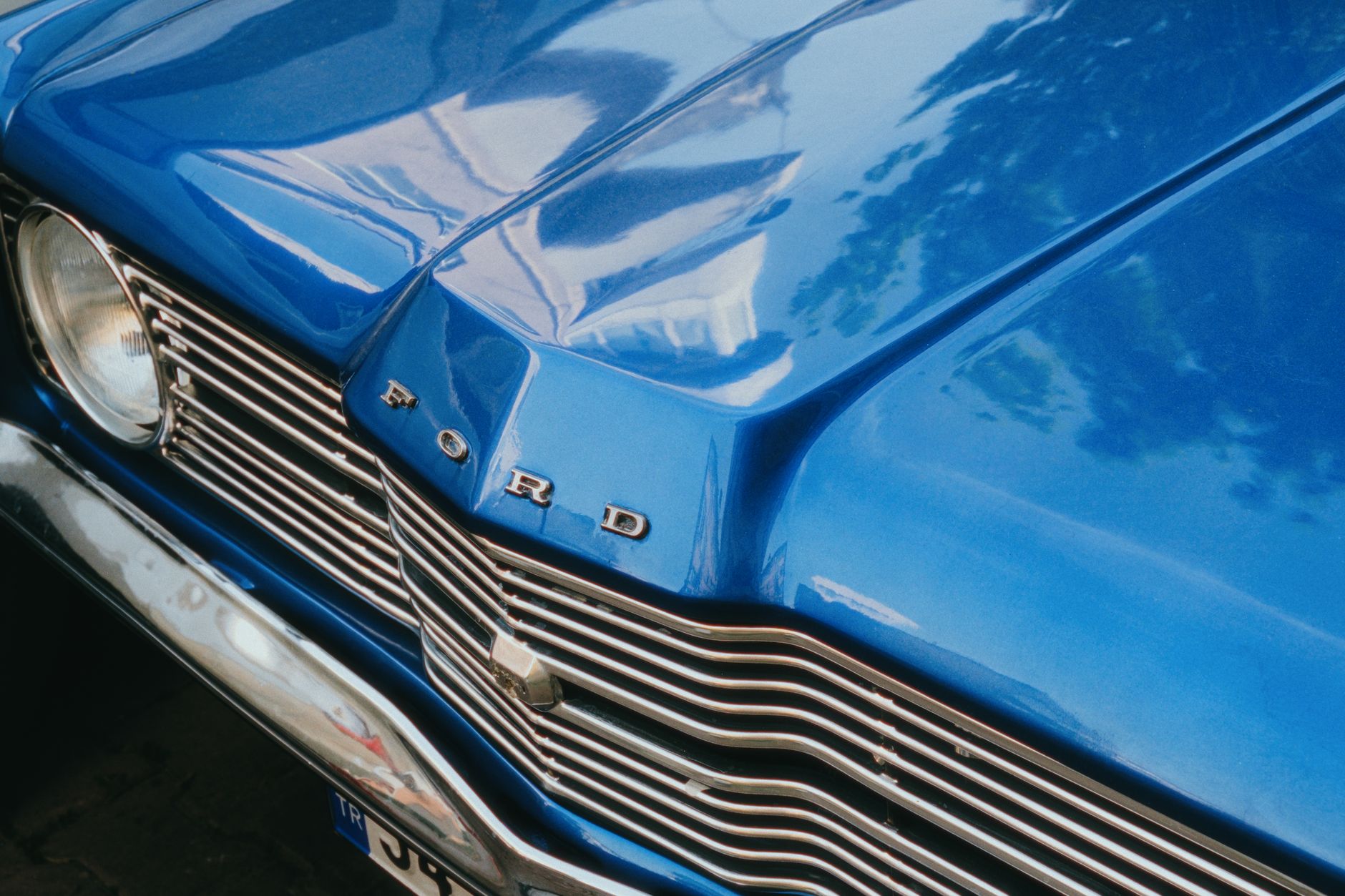
From topping mainstream quality rankings to enduring classic car appeal, a look at how legacy automakers are navigating today's vehicle landscape.
In the modern automotive industry, a manufacturer's reputation is built on a complex foundation. It is no longer enough to simply produce reliable daily drivers; automakers must also manage their historical legacy, maintain a presence in international motorsports, and defend their market share against an influx of emerging technologies. Recent developments surrounding Ford highlight this multifaceted balancing act, demonstrating how a legacy brand operates across various corners of the automotive world.
From achieving high marks in early-ownership reliability to maintaining a strong foothold in both the collector car market and global racing, the American automaker continues to make headlines. At the same time, the broader truck market is facing unprecedented pricing disruptions, signaling that legacy brands must remain agile.
Leading the Mainstream Quality Metrics
For most car buyers, the initial period of ownership is a critical metric for long-term brand loyalty. When a new vehicle spends more time in the service bay than on the road during its first few months, consumer trust evaporates rapidly. This is where industry benchmarks, such as the widely recognized JD Power Initial Quality Study, come into play.
The study measures the number of problems experienced by vehicle owners during the early part of their ownership, providing a snapshot of manufacturing quality and immediate reliability. According to reporting by Road & Track, Ford has recently achieved a significant milestone by topping the list of mainstream vehicle brands in this study.
Securing the top position among mainstream competitors indicates a rigorous focus on factory-level quality control, mitigating the early software glitches and mechanical defects that often frustrate modern car buyers. While Ford led the everyday consumer segment, Road & Track noted that Porsche led the JD Power study overall. The luxury performance brand's flagship sports car, the Porsche 911, was specifically highlighted as leading the entire automotive industry with the fewest problems during the initial ownership phase.
For a volume manufacturer like Ford, translating high build quality across hundreds of thousands of mainstream vehicles is a distinctly different challenge than hand-assembling low-volume sports cars, making their placement at the top of the mainstream category a notable victory.
The Enduring Allure of Automotive Heritage
Beyond brand-new showrooms, a manufacturer's legacy is kept alive by a robust enthusiast community and an active secondary market. Vintage American cars remain highly sought after by collectors worldwide, offering a nostalgic alternative to today's highly digitized vehicles.
Recent listings highlighted by automotive outlet Jalopnik showcase the continued interest in mid-century Ford design. A prime example is a 1956 Ford Thunderbird currently listed for $23,500. Jalopnik points out that this particular model features the optional engine upgrade alongside a variety of factory-installed extras. Paired with notably low mileage, the outlet suggests this classic Thunderbird could be a "classic steal" and a ticket to local car-show notoriety.
The collector market, however, is not limited to pristine, factory-correct restorations. Car culture thrives on modification, and the online classifieds are filled with eccentric interpretations of classic engineering. In a recent compilation of unique vehicles available for sale online, Jalopnik highlighted several heavily modified finds. Among the standout listings was a shortened, or "squished," Ford Falcon. This unusual custom build shared digital real estate with other eclectic machines, including a drag-prepped Nissan 240SX and a Coney Island-style Harley-Davidson Electra Glide.
These listings underscore an important reality for legacy automakers: their older vehicles often take on a second life, continuing to generate brand awareness and cultural relevance decades after they initially rolled off the assembly line.
Brand Building on the Global Racing Stage
While classic cars preserve the past, motorsports serve as a testing ground for the future and a vital marketing tool for the present. Competing in grueling international races allows automakers to prove their engineering mettle under extreme conditions.
The 24 Hours of Le Mans remains one of the most prestigious endurance races in the world, demanding absolute perfection from both driver and machine. Automakers heavily leverage their participation in these events, not just through engineering, but through visual storytelling. According to Car and Driver, Ford Racing recently provided photographer Marc Urbano with the opportunity to document the 24 Hours of Le Mans from the perspective of a first-timer.
By helping a photographer realize a long-held dream to cover the iconic French endurance race, Ford Racing successfully generated engaging human-interest narratives alongside their competitive efforts. These initiatives bridge the gap between high-stakes international racing and everyday automotive enthusiasm, reinforcing the brand's association with performance and global motorsport heritage.
Emerging Disruptions in the Truck Market
While established automakers celebrate quality awards and racing milestones, the broader vehicle landscape is shifting beneath their feet. Legacy brands that rely heavily on highly profitable truck sales are currently facing a new wave of competition from the electric vehicle (EV) sector.
The conversation around EV adoption frequently centers on affordability, as high sticker prices have traditionally locked out mainstream buyers. That dynamic may be changing. InsideEVs recently highlighted the arrival of the "Slate Truck," which is being touted as America's new cheapest electric vehicle. Priced at just $25,000, this ultra-affordable model represents a drastic undercut of the current market standard.
In a recent episode of the Plugged-In Podcast, InsideEVs analysts discussed the biggest news surrounding this $25,000 electric truck and debated whether it can ultimately succeed in the domestic market. For legacy automakers who have long dominated the traditional pickup truck segments, the introduction of a sharply priced electric competitor poses a fascinating challenge.
To maintain their market dominance in the coming decades, legacy companies will need to balance their profitable internal combustion engine lineups with increasingly competitive electric offerings.
The Road Ahead
The automotive industry requires companies to operate on multiple fronts simultaneously. Key areas of focus include:
- Maintaining manufacturing standards: Ensuring that new vehicles deliver problem-free experiences during early ownership to secure brand loyalty.
- Fostering brand heritage: Supporting the enthusiast networks that keep vintage models relevant in the cultural zeitgeist.
- Competing globally: Using high-profile events like the 24 Hours of Le Mans to project engineering prowess.
- Adapting to economic shifts: Preparing for low-cost EV competitors that threaten to disrupt traditional market segments.
As manufacturers navigate this complex environment, their success will depend not just on the vehicles they produce today, but on how effectively they honor their history while preparing for a rapidly electrifying future.
Key Takeaways
- Ford secured the top position among mainstream automotive brands in the latest JD Power Initial Quality Study.
- Vintage models, such as a low-mileage 1956 Ford Thunderbird and a heavily modified Ford Falcon, continue to draw significant attention in the collector car market.
- Ford Racing remains an active participant in global motorsports, recently facilitating first-hand photographic coverage of the 24 Hours of Le Mans.
- The competitive landscape for trucks is shifting with the introduction of ultra-affordable electric models, such as the $25,000 Slate Truck.
Frequently asked questions
How did Ford perform in the latest automotive quality studies?
According to reporting by Road & Track, Ford topped the list of mainstream brands in the JD Power Initial Quality Study, which measures problems during the early part of vehicle ownership.
What vehicle led the overall JD Power Initial Quality Study?
Porsche led the overall industry in the JD Power study, with the Porsche 911 recognized for having the fewest problems of any vehicle during initial ownership.
Are classic Ford vehicles still popular in the collector market?
Yes, classic models continue to attract enthusiasts. Recent online listings highlighted by Jalopnik include a 1956 Ford Thunderbird with optional factory upgrades and an unusual 'squished' Ford Falcon.
- 01Jalopnik: At $23,500, Is This 1956 Ford Thunderbird A Classic Steal?
- 02InsideEVs: PODCAST: The $25K Slate Truck Is Here. What's Next?
- 03Road & Track: Porsche Leads JD Power Study of Initial Quality, Ford Tops Mainstream Brands
- 04Car and Driver: See the 24 Hours of Le Mans Through the Eyes of a First-Timer
This editorial article was written by US News Desk's editorial desk using current reporting from the publishers above. All facts were grounded against these sources.