Consumer Shifts: From Electric Crossovers to Digital Media
As automakers ready electric rivals to the Volvo EX60, the tech and gaming sectors face their own digital-only transformations.
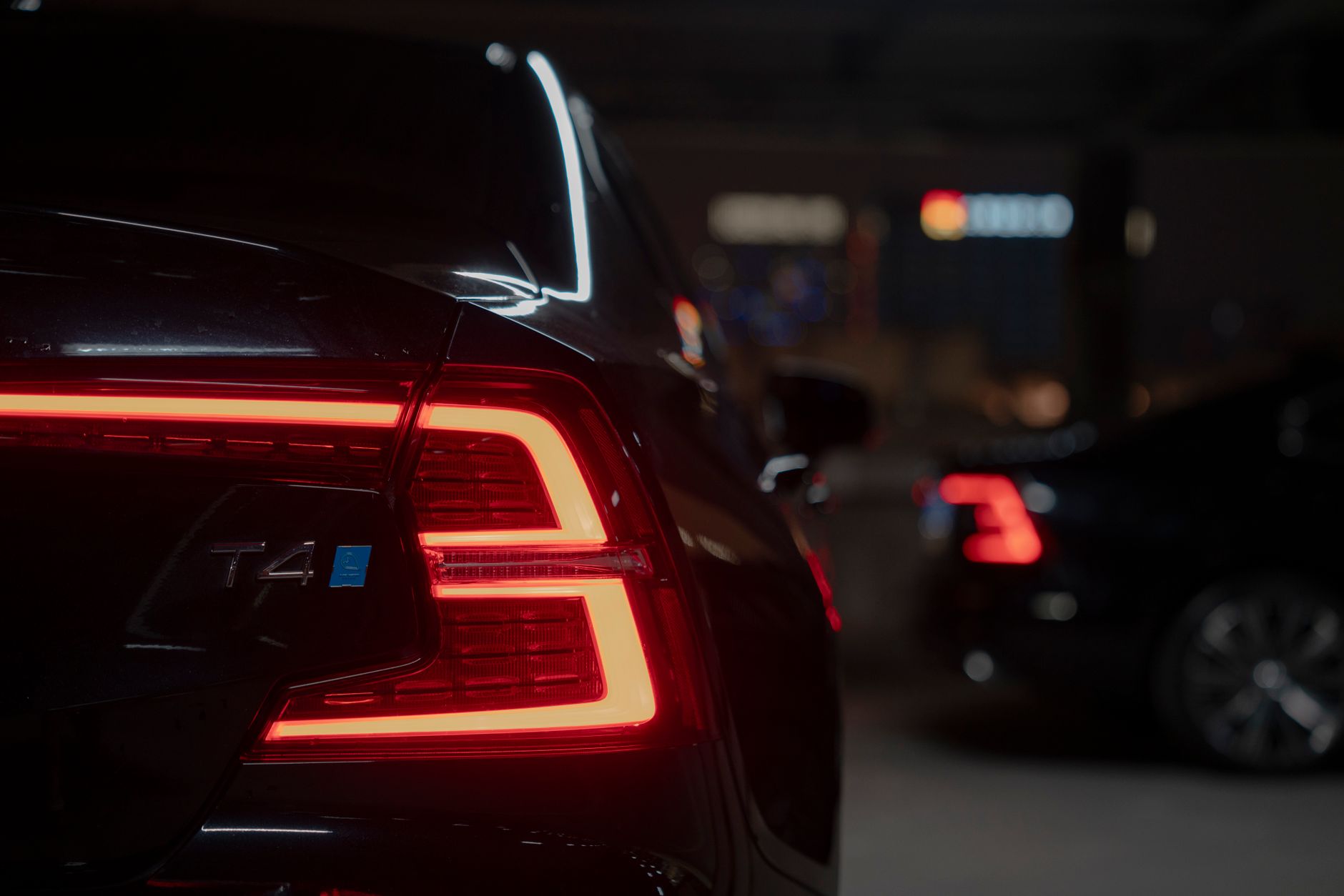
As automakers ready electric rivals to the Volvo EX60, the tech and gaming sectors face their own digital-only transformations.
The Next Generation of Luxury Crossovers
The automotive industry is in the midst of a historic transformation, with legacy manufacturers fundamentally retooling their vehicle lineups for an electrified future. According to recent reporting from Autocar, Land Rover is preparing to unveil one of its most crucial models in years. The company is developing a radical "saloon" successor to the Range Rover Velar, signaling a notable departure from the brand's traditional, boxy SUV design language.
Instead of retaining its current upright form, the Velar will be reborn as a sleek, "rakish" crossover. This segment-straddling shape is heavily influenced by the necessity of aerodynamic efficiency. In the era of electric vehicles, reducing drag is paramount to maximizing battery range, pushing designers toward lower, more streamlined silhouettes. As automakers attempt to bridge the gap between traditional passenger cars and full-size utility vehicles, this specific crossover design is becoming increasingly prevalent on roads around the world. The shift represents a calculated transition for brands known for rugged aesthetics, as they must balance their heritage with the rigorous aerodynamic demands of modern electric powertrains.
The Electrified Competitive Landscape
This upcoming Range Rover crossover is not entering a nascent or empty market; it is poised to compete directly against some of the most established nameplates in the premium vehicle segment. Autocar notes that the reborn Velar will aim squarely at a highly competitive slate of premium electric vehicles, specifically:
- The BMW iX3, which continues the German automaker's push into accessible electric luxury.
- The Mercedes-Benz GLC line, representing a massive slice of the European mid-size crossover market.
- The Volvo EX60, the heavily anticipated electrified successor to the best-selling Volvo XC60.
The specific targeting of the Volvo EX60 highlights a broader industry trend of updating top-selling, mid-size vehicles for the battery-electric era. Vehicles in the EX60's class represent a vital pillar for manufacturers hoping to capture the lucrative premium family crossover market. The Volvo XC60 has long been a staple of suburban driveways across the United States and Europe, and its electric counterpart is expected to carry that mantle forward. The fierce competition between Range Rover's new crossover, the BMW iX3, the Mercedes-Benz GLC, and the Volvo EX60 will likely define the next decade of luxury family transport, dictating design trends and technological standards across the global industry.
The Shift Toward Digital-Only Media
Just as the automotive industry is leaving internal combustion engines in the rearview mirror, the entertainment and technology sectors are aggressively moving away from traditional physical formats. According to Rock Paper Shotgun, Sony has announced a monumental policy shift: the company will stop selling physical PlayStation games at the start of 2028.
This impending digital-only mandate will not just affect Sony's own first-party titles, but all third-party games released on the platform as well. The team at Rock Paper Shotgun reflected on the news by noting that the world of PC gaming has largely operated without physical game releases for "yonks" now. However, the transition for home consoles marks a significantly more disruptive cultural shift for several reasons:
- Console players have historically relied on physical discs for trading, collecting, and reselling.
- The secondary used-game market has long provided a more affordable entry point for millions of global players.
- Brick-and-mortar retailers rely heavily on physical shelf space to drive hardware and software bundles.
The elimination of physical disc production fundamentally changes the economic reality for console owners, removing the secondary market entirely and forcing all purchases through a single digital storefront ecosystem.
The Loss of Physical Ownership
The formal announcement regarding the end of physical PlayStation games has sparked intense discussion and concern among prominent industry veterans. Eurogamer reports that Hideo Kojima, the acclaimed director behind Death Stranding, expressed that the news made him feel "really sad."
Kojima emphasized that the broader lack of media ownership carries "frightening" possibilities for the future of the entertainment medium. When consumers purchase digital goods, they are typically buying a revocable license to access the content rather than a tangible item they own in perpetuity. If digital storefronts close, publishers pull content due to licensing expirations, or central servers are shut down, consumers risk losing total access to their purchased media. Kojima's stark warning highlights the growing friction between the convenience of digital distribution and fundamental consumer ownership rights—a debate that is becoming increasingly urgent across the tech sector as the 2028 deadline approaches.
Industry Turmoil and Bright Spots
The transition to a completely digital ecosystem arrives during a period of broader instability and financial pressure within the gaming sector. A recent newsletter column by Andrew Webster in The Verge bluntly described the current state of Xbox as a "disaster." Webster's analysis points to a generally bleak state of affairs across the wider video game industry, as massive shifts in distribution, corporate consolidation, and rapidly shifting consumer habits leave major platform holders struggling to maintain a steady, profitable trajectory.
Yet, despite the corporate turbulence and the looming expiration of physical media, there are still pockets of immense enthusiasm and robust consumer demand. Polygon recently reported on the fervor surrounding Anime Expo 2026, which featured a slate of exciting reveals for the upcoming Persona 4 Revival. Key highlights from the event that energized the fan base included:
- The highly anticipated return and reveal of fan-favorite character Rise Kujikawa.
- Official confirmation of direct involvement from the renowned animation studio MAPPA.
- Sustained community buzz that proves excitement remains high despite wider industry pressures.
These enthusiastic reactions demonstrate a crucial reality for modern markets: while the delivery methods—whether that is a sleek, battery-powered Volvo EX60 replacing a gas-powered XC60, or a digital download replacing a plastic disc—are changing at a breakneck pace, consumer appetite for high-quality, engaging products remains incredibly strong. As legacy industries navigate these complex digital and electrified transitions, the core challenge will be delivering the modern innovation buyers demand without sacrificing the reliability and ownership they have historically taken for granted.
Key Takeaways
- Land Rover is developing a rakish, electric crossover to replace the Range Rover Velar, targeting mid-size rivals like the upcoming Volvo EX60.
- Sony plans to cease production of all physical PlayStation games by 2028, fundamentally shifting the console market to a digital-only ecosystem.
- Prominent creators, including Hideo Kojima, have warned that the loss of physical media ownership presents frightening possibilities for consumer rights.
- Despite industry struggles, major consumer entertainment events like Anime Expo 2026 continue to drive massive engagement and enthusiasm.
Frequently asked questions
What is Land Rover replacing the Range Rover Velar with?
According to Autocar, the Range Rover Velar will be replaced by a radical, 'rakish' electric crossover designed to compete in the premium mid-size EV segment.
Which vehicles will compete with the new Range Rover electric crossover?
The new model is aimed squarely at luxury electric mid-size crossovers, specifically targeting the BMW iX3, the Mercedes-Benz GLC, and the Volvo EX60.
When is Sony stopping physical PlayStation game sales?
Sony has announced it will stop selling physical PlayStation discs—including both its own first-party titles and third-party games—at the beginning of 2028.
- 01Autocar: Full details on radical 'saloon' successor to Range Rover Velar
- 02Rock Paper Shotgun: Now is the winter of your discontent, console blaggards: the RPS team reflect on PlayStation going digital-only
- 03Polygon: Every bit of Persona 4 news that dropped at Anime Expo 2026
- 04The Verge: Xbox is a disaster
- 05Eurogamer: Death Stranding director Hideo Kojima "really sad" about Sony ending physical disc production, and says lack of media ownership has "frightening" possibilities
This editorial article was written by US News Desk's editorial desk using current reporting from the publishers above. All facts were grounded against these sources.