Electric Trucks, Heatwaves, and the Future of Performance Estates
As the auto industry evolves, automakers are balancing budget-friendly EVs with high-demand performance wagons and the realities of extreme weather.
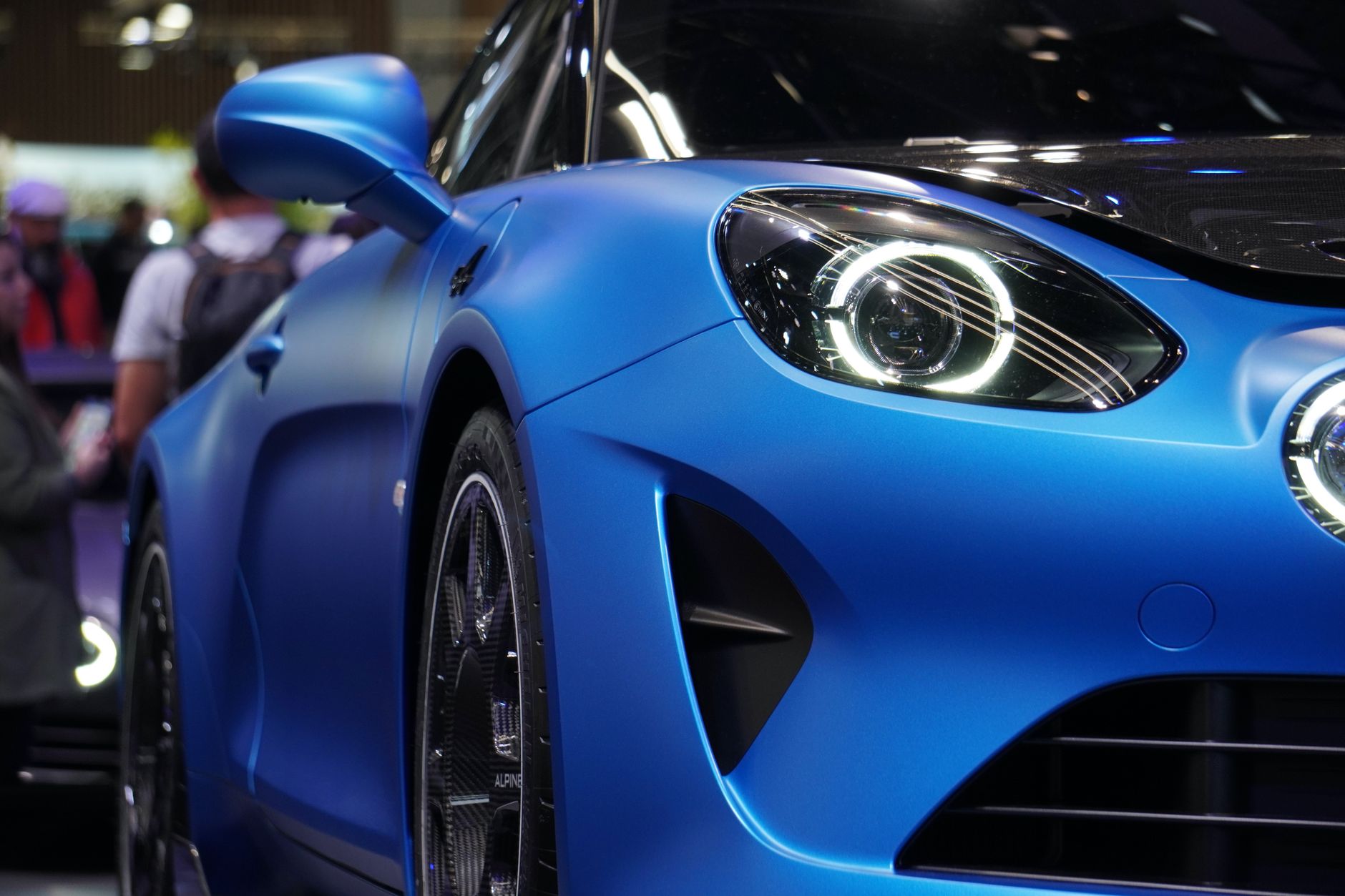
As the auto industry evolves, automakers are balancing budget-friendly EVs with high-demand performance wagons and the realities of extreme weather.
The global automotive landscape is currently undergoing a period of profound transition. Manufacturers are navigating a complex intersection of emerging electric vehicle technologies, shifting consumer demands, and the enduring appeal of legacy performance brands. Recent developments across the industry highlight how rapidly the market is fragmenting into highly specialized segments. From ultra-affordable utilitarian trucks designed for the mass market to premium straight-six super estates aimed at driving enthusiasts, the breadth of consumer choice has never been wider.
At the same time, the transition to electrification is revealing new practical considerations for daily driving. As battery-powered vehicles become increasingly normalized, owners are confronting the real-world limitations of electric architecture, particularly when faced with extreme weather patterns.
The Rise of the Budget-Friendly Electric Truck
For years, the transition to electric vehicles has been characterized by premium pricing, with early adopters paying a significant premium for battery technology. However, a new wave of automakers is directly challenging this paradigm by introducing utilitarian, budget-friendly options. According to reporting from The Drive, a company named Slate is making major waves in this sector with a newly announced bare-bones electric pickup truck.
Slate has officially confirmed the pricing for its new vehicle at a remarkably low $24,950. This entry-level price point drastically undercuts the current market average for electric vehicles and positions the truck as an accessible option for cost-conscious consumers and commercial fleets. In terms of capability, the truck offers 205 miles of driving range on a single charge. While this may not compete with long-range luxury sedans, it provides more than enough capacity for daily commuting, local deliveries, and localized utility work.
Furthermore, the vehicle boasts a towing capacity of 2,000 pounds, and recent updates to the spec sheet indicate the truck has gained an additional 450 pounds of capacity. The consumer response to this practical, no-frills approach has been staggering. The Drive reports that 180,000 people have already placed reservations for the Slate pickup. This massive reservation tally suggests a deep, previously untapped market demand for affordable utility over luxury aesthetics in the electric vehicle sector.
Performance Wagons and Legacy Comebacks
While the budget electric market is expanding rapidly, traditional high-performance internal combustion vehicles are still commanding significant attention—and surprising market success. Automakers with deep historical roots are finding ways to carry their most beloved nameplates into the future.
According to Autocar, the BMW M3 Touring is a prime example of this phenomenon. The high-performance estate is currently poised for an epic comeback as the German automaker transitions into its upcoming "Neue Klasse" era. Historically, high-performance wagons have occupied a relatively niche segment, heavily favored by European driving enthusiasts but often overlooked in other global markets in favor of larger SUVs and crossovers.
However, the current iteration of BMW's straight-six super estate has experienced massive success, which has firmly laid the groundwork for a second generation. Autocar notes that the M3 Touring will live on in the Neue Klasse era largely due to unexpectedly high demand in major international markets, specifically the United States and China. This robust international appetite demonstrates that despite the broader industry shift toward electric utility vehicles and SUVs, there remains a highly lucrative and passionate consumer base for aggressively styled, track-capable luxury wagons.
Navigating Extreme Temperatures in an EV
As electric vehicles continue to capture a larger share of the automotive market, drivers are actively discovering how these vehicles perform outside of optimal testing environments. It is a well-documented fact within the industry that EVs experience a noticeable drop in driving range when temperatures plummet during the winter months, as cold weather limits battery efficiency and cabin heating draws heavy power. However, extreme heat presents its own distinct set of challenges.
Recent reporting by Autocar examined how electric vehicles cope with severe heatwaves, specifically tracking the performance of a Renault 4 operating in temperatures reaching 34 degrees Celsius (approximately 93 degrees Fahrenheit). The publication highlights that hot weather is not entirely beneficial for electric cars. As temperatures consistently top 30 degrees Celsius and vehicles are subjected to fearsome sunshine, the novelty of summer weather quickly wears off for EV owners.
In extreme heat, an electric vehicle's thermal management system must work overtime to keep the high-voltage battery pack cool and operating within its safe temperature window. Combined with the heavy energy draw required to run the cabin's air conditioning, this active cooling process can result in a noticeable hit to the vehicle's overall range. Understanding these seasonal fluctuations is becoming an essential part of the modern electric vehicle ownership experience.
Automotive E-Commerce and Brand Identity
Beyond vehicle specifications and engineering, the automotive industry is deeply intertwined with broader consumer retail trends and brand psychology. The aftermarket and accessory segment of the car market is massive, and digital retailers are increasingly catering to this demographic. According to The Drive, the annual Amazon Prime Day sales event—running from June 23 to June 26—features dedicated roundups of the best buys specifically targeted at "car people." These digital sales events highlight how automotive enthusiasm extends far beyond the dealership lot, encompassing tools, detailing supplies, and tech accessories.
At the core of this consumer enthusiasm is brand familiarity. Automakers invest heavily in building recognizable names that resonate with the public consciousness. A retrospective piece by Autocar explored this concept by looking at its own namesake. The history of the Autocar companies involves various auto pioneers, pretenders, and partners who have all shared the name over the decades.
The publication notes that a name like "Autocar" is inherently odd when viewed in isolation, much like classic automotive monikers such as the "Volkswagen Golf" or "Citroën." Yet, through decades of consistent market presence, these names have been completely normalized in the public consciousness purely by familiarity. Whether an automaker is launching a futuristic $24,950 electric truck or bringing back a straight-six super estate, establishing that baseline of brand familiarity remains one of the most critical components of long-term automotive success.
Key Takeaways
- Slate is introducing a bare-bones electric pickup truck priced at $24,950, which has already secured 180,000 reservations.
- Driven by surprisingly strong demand in the US and China, the BMW M3 Touring is slated for a comeback in the brand's future 'Neue Klasse' era.
- Electric vehicles face range and performance challenges in extreme heatwaves, such as 34-degree Celsius weather, just as they do in cold weather.
- Brand familiarity normalizes seemingly unusual names over time, playing a crucial role in automotive marketing and legacy.
Frequently asked questions
How much does the new Slate electric truck cost?
The new Slate electric pickup truck has a confirmed starting price of $24,950.
What are the core specifications of the Slate electric truck?
The vehicle offers 205 miles of range, 2,000 pounds of towing capacity, and recently gained an additional 450 pounds of capacity.
Why is the BMW M3 Touring continuing into the Neue Klasse era?
The straight-six super estate is continuing due to massive success and unexpectedly high demand in major global markets like the United States and China.
- 01Autocar: What if you drove an Autocar? The name that's more than a magazine
- 02The Drive: Slate’s $24,950 Electric Truck Gets More Range, More Tow Capacity—and 450 More Pounds
This editorial article was written by US News Desk's editorial desk using current reporting from the publishers above. All facts were grounded against these sources.