Electric Vehicle Pricing Shifts: From Budget Trucks to Luxury Drops
*As automakers adjust their electric vehicle strategies, a wave of new pricing models reveals how consumer demand and dealer dynamics shape the modern auto market.*
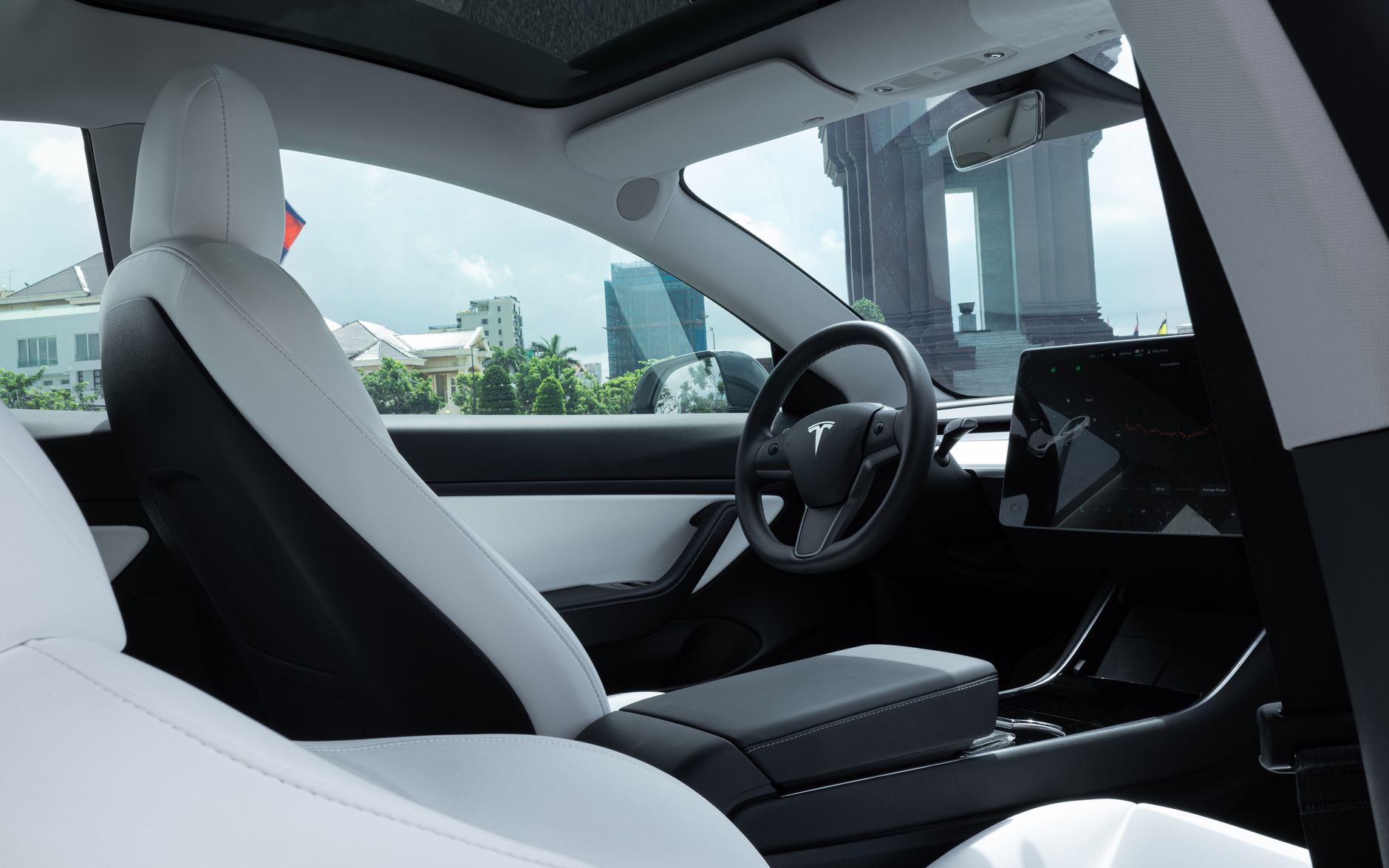
As automakers adjust their electric vehicle strategies, a wave of new pricing models reveals how consumer demand and dealer dynamics shape the modern auto market.
The global automotive market is currently undergoing one of its most significant pricing corrections in recent history. As electric vehicles transition from early-adopter novelties to mainstream transportation, manufacturers are aggressively adjusting their pricing strategies to capture diverse consumer segments. From staggering price cuts in the ultra-luxury sector to newly leaked budget models that could democratize electric utility vehicles, the financial landscape of driving is shifting rapidly.
But what actually drives the price of modern vehicles? The answers are often counterintuitive. While high-tech features and global supply chains frequently take the blame for sticker shock, a closer look at industry dynamics reveals a more complex picture.
The Real Drivers of Automotive Pricing
For years, industry analysts and frustrated buyers have pointed fingers at the increasing integration of mandatory safety features as the primary reason cars have become more expensive. However, recent insights suggest this narrative is incomplete.
According to reporting by Jalopnik, while expensive option packages and advanced safety technology certainly contribute to higher manufacturer's suggested retail prices (MSRPs), they are not the main culprits for surging car costs. Instead, the true catalysts for rising vehicle prices include:
- Consumer Demand: A sustained preference for larger, heavily equipped vehicles encourages automakers to focus on higher-margin models.
- Dealership Practices: Strategic markups and the widespread bundling of highly profitable add-ons play a substantial role in driving up the final transaction price.
- Inventory Management: Manufacturers often prioritize production pipelines for their most expensive trim levels rather than base models.
Understanding this dynamic is crucial for buyers navigating the current market. When automakers introduce new pricing structures, they are responding not just to the cost of raw materials, but to these deeper behavioral trends at the dealership level. This complex relationship is currently playing out across the entire spectrum of the electric vehicle market.
The Entry-Level Disruption: Slate's Electric Truck
At the most accessible end of the market, aggressive new price points threaten to disrupt established automotive hierarchies. For the electric transition to truly take hold globally, manufacturers must offer utility vehicles that working-class buyers can actually afford without taking on massive debt.
This makes recent industry leaks particularly notable. According to Car and Driver, information surrounding Slate's highly anticipated electric pickup truck suggests the vehicle could start at an incredibly competitive $24,950. If this alleged leak proves accurate, it would fundamentally alter the competitive landscape for electric trucks.
A sub-$25,000 electric pickup would dramatically undercut existing electric trucks on the market, which have traditionally launched with premium pricing aimed at affluent early adopters. By offering a true budget option, Slate could capture a massive demographic of fleet operators, tradespeople, and rural consumers who have thus far been priced out of the electric vehicle revolution.
Range and Rivalry in the Executive Market
While new entrants aim for the budget floor, legacy European automakers are battling for dominance in the crucial mid-market executive segment. Range anxiety—the fear that an electric vehicle will run out of battery before reaching a charging station—has long been a psychological hurdle for long-distance drivers. BMW appears poised to directly address this with its latest global offering.
Order books have officially opened for the new BMW i3, which represents the first electric 3 Series available globally. According to Autocar, the new i3 saloon will feature a starting price of £53,005. More importantly, it promises a staggering 567-mile range, making it one of the longest-range EVs available in the UK.
This strategic pricing and engineering combination positions the i3 as a formidable challenger in the luxury saloon space. By offering a vehicle that is significantly cheaper than its direct Mercedes-Benz rival while boasting a massive battery range, BMW is making a clear play for executive buyers and company car fleets. The 567-mile figure effectively neutralizes range anxiety for even the most frequent highway travelers.
Massive Corrections in the Ultra-Luxury Tier
Perhaps the most shocking pricing news comes from the upper echelons of the automotive market, where ultra-luxury brands are realizing that even wealthy buyers have their limits. The era of the electric vehicle premium—where automakers could charge vastly more for an EV variant simply because of its technological novelty—is rapidly evaporating.
Maserati provides the starkest example of this market correction. Car and Driver reports that Maserati is dropping the price of its 2027 electric GranTurismo by a massive margin. The high-performance EV will now start at $141,995. This represents a staggering decrease of over $57,000 compared to the vehicle's nearly $200,000 price tag in 2026.
While $141,995 remains an undeniable luxury expenditure, a price cut of this magnitude is exceptionally rare in the automotive industry. It signals a broader realization among heritage luxury brands that electric propulsion alone is no longer enough to command exorbitant markups. To compete with emerging luxury EV makers, traditional Italian marques are being forced to align their pricing with shifting market realities.
Combating Cultural Stigmas with Premium Vans
Pricing strategies are not just about finding the right margin; they are also utilized as tools for rebranding vehicle segments entirely. This is vividly illustrated by Mercedes' latest venture into the American market with the VLE.
According to InsideEVs, the Mercedes VLE is positioned as an ultra-luxury van. In Europe and Asia, premium vans have long been accepted as high-end executive transport, offering unparalleled cabin space and ride comfort. In the United States, however, vans carry a persistent cultural stigma, often associated almost entirely with commercial labor, delivery services, or suburban carpooling.
Mercedes' decision to introduce an ultra-luxury electric van to the US is described by industry observers as a brave gamble. The goal is to crack the American van stigma by offering an experience that rivals traditional luxury SUVs or flagship sedans. However, the success of this endeavor hinges entirely on the consumer's perception of value. The challenge for Mercedes will be convincing status-conscious buyers not to balk at the high premium price tag typically associated with an ultra-luxury badge, especially on a vehicle silhouette they are unaccustomed to viewing as a status symbol.
The Road Ahead for Consumers
Whether it is a leaked $24,950 utility truck or a $141,995 Italian sports car, the pricing data emerging in mid-2026 highlights an industry in rapid transition. Consumers hold more power than they might realize, as automakers aggressively tweak MSRPs to find the sweet spot between volume sales and brand prestige. As the market continues to mature, buyers should expect to see continued volatility in pricing, driven as much by dealership realities and consumer behavior as by the technology under the hood.
Key Takeaways
- Automotive pricing is primarily driven by consumer demand and dealer practices, rather than solely the integration of mandatory safety technology.
- New budget-friendly electric vehicles, like Slate's leaked $24,950 pickup truck, are poised to drastically lower the barrier to entry for EV utilities.
- Legacy luxury brands are aggressively correcting prices, highlighted by Maserati dropping the 2027 GranTurismo EV by over $57,000 to remain competitive.
- BMW is addressing range anxiety head-on with its new £53,005 i3 saloon, offering a massive 567-mile range that undercuts direct competitors.
- Mercedes is taking a calculated risk with the ultra-luxury VLE van, attempting to overcome deep-rooted cultural stigmas in the American vehicle market.
Frequently asked questions
How much will the new Slate electric truck cost?
According to recent leaks reported by Car and Driver, the Slate electric pickup truck could start at a highly competitive $24,950, though official final pricing has yet to be publicly confirmed.
What is the range and price of the new BMW i3?
The new BMW i3 saloon starts at £53,005 and offers an exceptional estimated range of 567 miles, making it one of the longest-range electric vehicles available and a highly competitive option against Mercedes-Benz rivals.
Why is Maserati dropping the price of the GranTurismo?
Maserati is reducing the starting price of the 2027 electric GranTurismo to $141,995, an aggressive drop of over $57,000 from its 2026 price point, signaling a broader market correction regarding markups in the ultra-luxury EV segment.
- 01Autocar: Electric 3 Series: BMW i3 brings 567-mile range for £53k
- 02Car and Driver: Slate May Have Accidentally Leaked the Price for Its Electric Truck
- 03InsideEVs: The Mercedes VLE Is A Brave Gamble. Will It Pay Off?
- 04Jalopnik: If Safety Tech Isn't Most Responsible For Increasing Car Prices, What Is?
This editorial article was written by US News Desk's editorial desk using current reporting from the publishers above. All facts were grounded against these sources.