Ford Recalls, Engine Discontinuations, and the Shifting Auto Landscape
*From massive roll-away recalls to the depreciation of performance Mustangs, recent industry shifts highlight a complex era for automakers.*
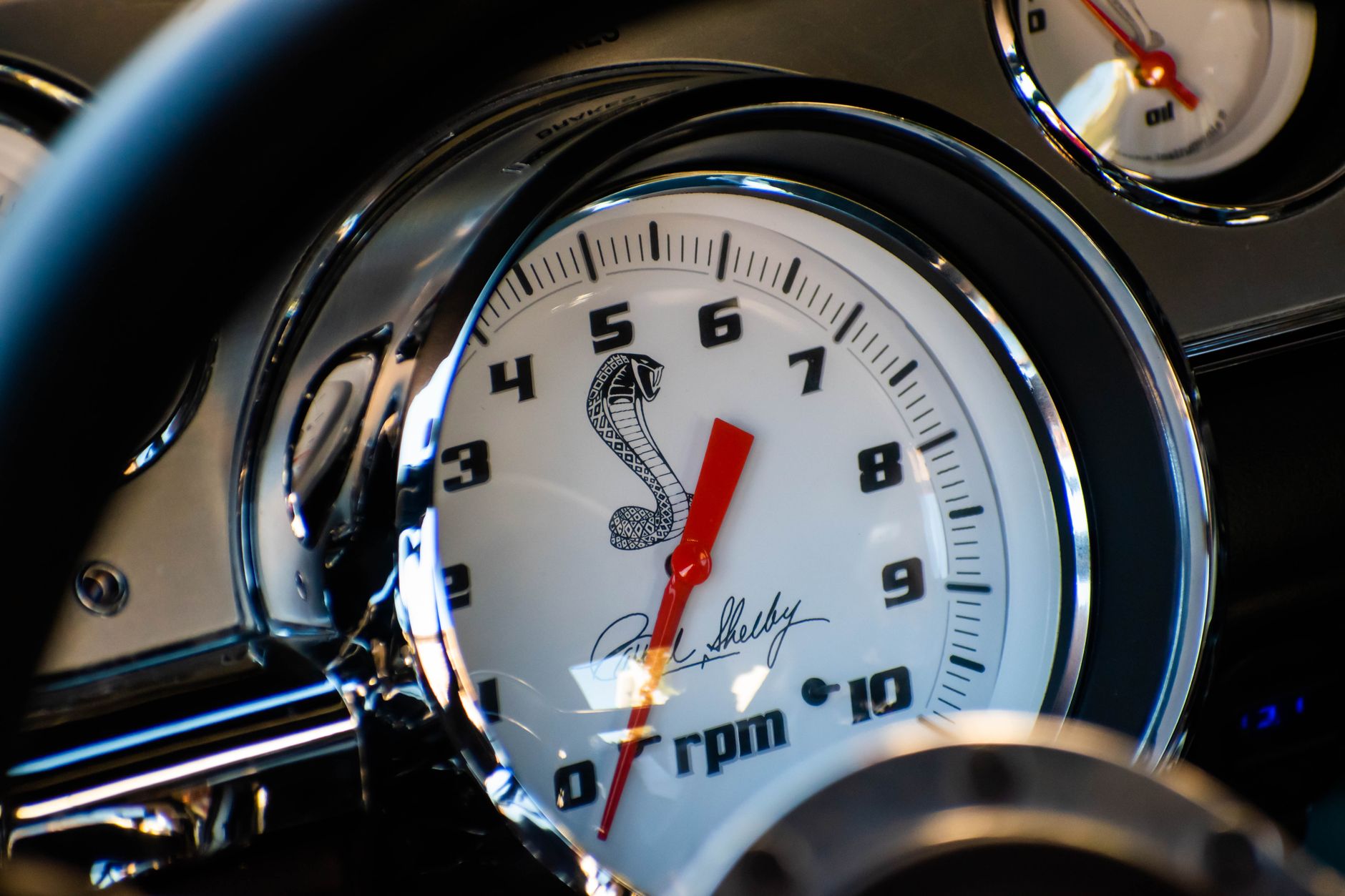
From massive roll-away recalls to the depreciation of performance Mustangs, recent industry shifts highlight a complex era for automakers.
Navigating the modern automotive landscape requires keeping a close eye on a rapidly shifting mix of safety bulletins, mechanical discontinuations, and evolving market values. For major American manufacturers and global brands alike, the challenges of producing reliable, forward-looking vehicles often collide with the realities of complex engineering and consumer safety.
Recent developments in the automotive sector underscore these industry-wide complexities. Leading headlines from late June and early July 2026 highlight a significant safety recall from Ford and Lincoln, the quiet discontinuation of a notable diesel engine, and the enduring value of high-performance internal combustion vehicles. By examining these current events, drivers and industry observers can gain a clearer understanding of vehicle ownership, automotive safety, and the broader transition toward future powertrains.
The Roll-Away Risk and Large-Scale Recalls
Vehicle recalls are a standard, albeit frustrating, aspect of modern car ownership. They serve as a critical mechanism for automakers to address safety defects that emerge only after vehicles have spent significant time on public roads. According to recent reporting from Car and Driver, Ford and its luxury division, Lincoln, are currently facing a substantial safety campaign involving hundreds of thousands of vehicles.
The recall affects a staggering 741,195 trucks and SUVs. The primary concern prompting this massive action is a roll-away risk, meaning the vehicles may shift out of a stationary position when parked. Such defects pose a severe hazard to owners, passengers, and bystanders, as a heavy, unsecured vehicle can cause significant property damage or personal injury if it begins to move unexpectedly.
The scope of this recall is particularly notable because it encompasses some of the most popular and highly utilized models in the American market. The affected vehicles include:
- The Ford F-150
- The Ford Explorer
- The Ford Expedition
- The Lincoln Aviator
- The Lincoln Navigator
For owners of these specific trucks and SUVs, the recall necessitates prompt attention. Practical vehicle ownership demands that safety notices be addressed immediately through authorized dealership networks, which typically perform the necessary software updates or mechanical fixes at no cost to the consumer.
The Short Life of the 3.0-Liter Power Stroke
Beyond immediate safety recalls, automakers must also manage the long-term viability of their powertrains. Developing a new engine requires immense capital investment and years of research, but success is never guaranteed. This reality was recently highlighted by the brief lifecycle of a once-promising diesel engine in Ford's lineup.
According to Jalopnik, Ford's 3.0-liter Power Stroke diesel engine has died an "ignoble death." The automaker initially introduced this 3-liter diesel powertrain in the 2018 model year of the F-150, aiming to provide truck buyers with an alternative that delivered specific towing and efficiency benefits. However, the engine's tenure in the highly competitive truck market was surprisingly brief.
Ford opted to kill the 3.0-liter Power Stroke just four model years after its introduction. The decision to discontinue the engine was not driven by a single catastrophic failure, but rather by multiple underlying issues that compromised its viability. When automakers discontinue an engine so quickly, it often reflects a combination of mechanical challenges, shifting consumer preferences, and the strict demands of regulatory compliance. For consumers navigating the used truck market, understanding the abbreviated history of powertrains like the 3.0-liter Power Stroke is crucial when evaluating long-term reliability and maintenance costs.
Performance, Heritage, and Depreciation
While mainstream trucks and experimental diesel engines face their own unique hurdles, the high-performance segment of the automotive market operates under a different set of rules. Here, brand heritage and raw driving experience often insulate vehicles from the steep depreciation curves that affect standard commuter cars.
Ford's Mustang lineage is historically known for resisting depreciation very well, maintaining strong residual values in the secondary market. This trend is especially pronounced in the upper echelons of the Mustang hierarchy. Jalopnik recently analyzed how well the high-end Shelby GT500 variant holds up over time, specifically looking at the 2021 Ford Mustang Shelby GT500 at the five-year mark in 2026. Vehicles that offer exceptional performance and bear legendary badges tend to command sustained buyer interest long after they leave the showroom floor.
This enduring appeal of specific, purpose-built vehicles is recognized globally. According to Autocar, motoring expert Andrew Frankel recently compiled a list of 50 legendary cars that enthusiasts simply must drive at least once. This list spans the automotive spectrum from the humble to the exotic, proving that a vehicle's impact is not solely dictated by its price tag. Whether a driver's personal bucket list comprises Porsches, Ferraris, Jaguars, or iconic Fords like the Mustang, the desire to experience mechanically engaging vehicles remains a powerful force in automotive culture.
The Global Transition and the Combustion Balancing Act
The sustained enthusiasm for internal combustion engine vehicles—whether it is a high-horsepower Shelby GT500 or a legendary classic—creates a complex balancing act for modern automakers. Companies must cater to current infrastructure and traditional consumer demands while heavily investing in the inevitable transition toward electric vehicles.
This dynamic is not limited to the United States or large pickup trucks; it is a global industry trend. For instance, according to Autocar, the Italian automaker Fiat is currently navigating this exact transition with its famous Panda city car. The original Panda was pulled from sale in the UK in 2024, though it continues to survive in its home market of Italy under the name "Pandina."
Looking to the future, Fiat is mulling over how to utilize the hallowed Panda nameplate for its next generation of city cars. The brand is considering a strategy that introduces an affordable, petrol-powered Panda successor alongside a brand-new sub-£15,000 EV. By committing to an affordable combustion-powered model, Fiat has signaled that it will not abandon its existing petrol-buying population. This dual-path approach underscores a widespread industry realization: while electric mobility represents the future, affordable and reliable combustion engines remain vital to consumers around the world.
Whether addressing the roll-away risks of massive SUVs, cutting losses on underperforming diesel engines, or preserving the heritage of performance coupes and humble city cars, automakers are navigating an era of unprecedented transition. For consumers, staying informed about these mechanical shifts and safety updates is the key to making smart, long-lasting automotive investments.
Key Takeaways
- Ford and Lincoln are recalling over 740,000 vehicles, including the F-150 and Explorer, due to a severe roll-away risk.
- Ford quietly discontinued its 3.0-liter Power Stroke diesel engine after just four model years due to multiple underlying issues.
- Performance vehicles like the 2021 Ford Mustang Shelby GT500 continue to resist severe market depreciation compared to standard commuter cars.
- Automakers globally are balancing the push for electric vehicles with sustained demand for affordable internal combustion engines, as seen with Fiat's upcoming Panda lineup.
Frequently asked questions
Which Ford and Lincoln models are affected by the recent roll-away recall?
The recall impacts 741,195 vehicles across multiple popular lines, specifically including the Ford F-150, Ford Explorer, Ford Expedition, Lincoln Aviator, and Lincoln Navigator.
What happened to the Ford 3.0-liter Power Stroke engine?
Ford introduced the 3.0-liter Power Stroke diesel in the 2018 F-150 but discontinued the powertrain just four model years later due to multiple operational issues that compromised its long-term viability.
Do Ford Mustangs hold their value well over time?
Yes, Ford Mustangs generally resist depreciation well. High-end performance variants, such as the 2021 Shelby GT500, hold up particularly well on the secondary market even five years after production.
- 01Jalopnik: Here's How Much A 2021 Ford Mustang Shelby GT500 Has Depreciated In Five Years
- 02Car and Driver: Ford and Lincoln Recall 741,195 Trucks and SUVs That May Roll Away
- 03Autocar: The brilliant cars you need to drive at least once
This editorial article was written by US News Desk's editorial desk using current reporting from the publishers above. All facts were grounded against these sources.