From 2022 Safety Standards to Affordable EVs: The Automotive Landscape
As manufacturers push for affordable electric trucks and better reliability, safety standards enacted in 2022 continue to shape how we drive.
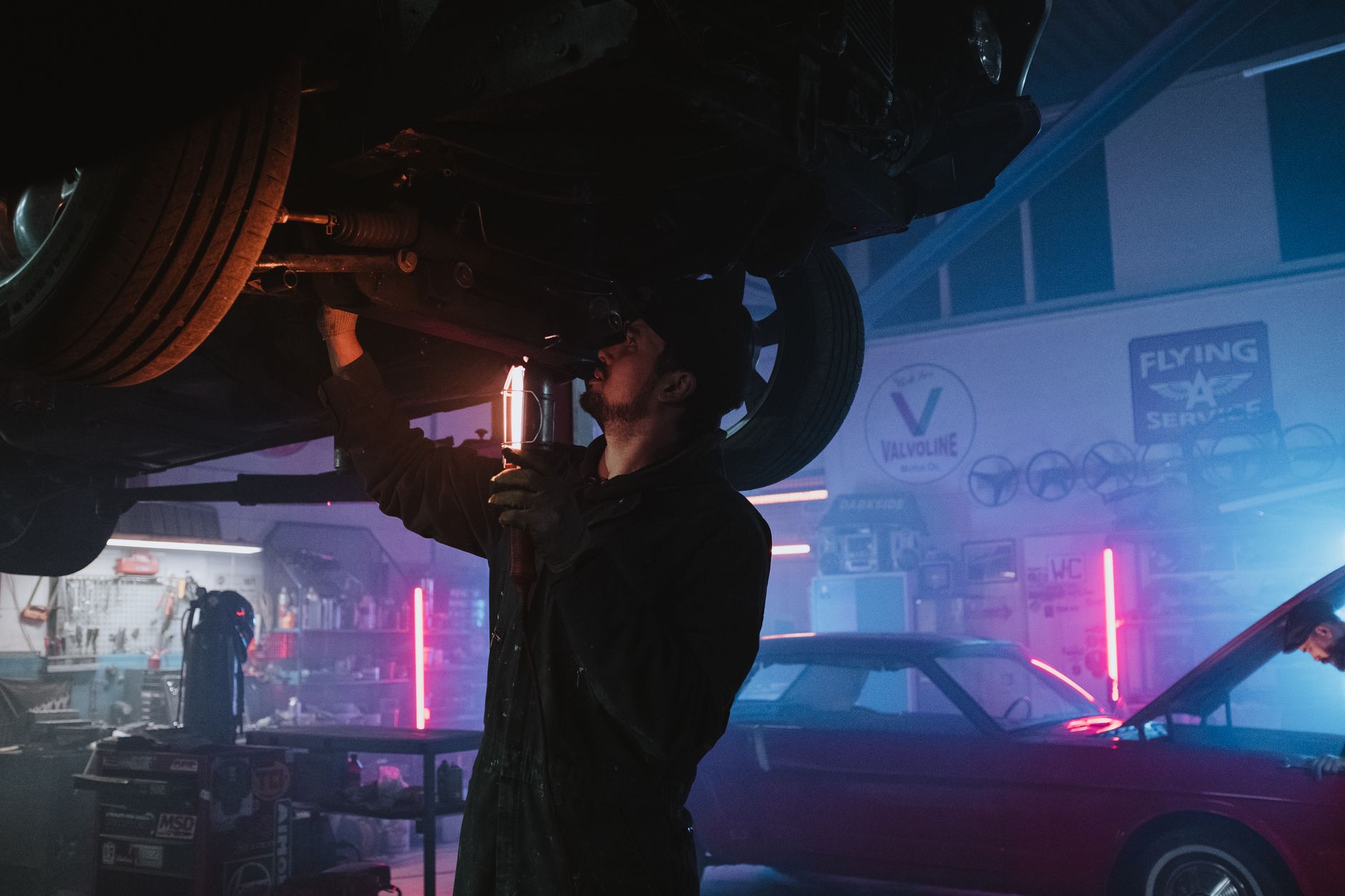
As manufacturers push for affordable electric trucks and better reliability, safety standards enacted in 2022 continue to shape how we drive.
The Push for Safer Vehicle Cabins
When drivers slide behind the wheel of a modern vehicle, they are often greeted by a symphony of warning chimes. If you have noticed that these alerts have become increasingly persistent, you are not alone. According to reporting from Motor1, there is a specific reason why modern seatbelt reminders have gotten so annoying in recent years. The shift traces directly back to 2022, when the Insurance Institute for Highway Safety (IIHS) officially began evaluating seatbelt reminders in new vehicles.
The primary objective behind this increased scrutiny is straightforward: to get people to buckle up. By rigorously evaluating the persistence, duration, and volume of these cabin alerts, the IIHS has inadvertently pushed automakers to design chimes that are virtually impossible to ignore. While some drivers might find the persistent alerts frustrating during short trips, the initiative that began in 2022 remains a foundational piece of modern automotive safety strategy. The logic dictates that an annoying chime is a small price to pay for ensuring cabin occupants utilize their restraints.
Organizations like the IIHS continuously evaluate cabin technology to ensure safety systems effectively modify driver behavior. This focus on internal warning systems highlights several key industry priorities:
- Standardizing safety protocols across all vehicle classes, from compact commuters to heavy-duty trucks.
- Ensuring that passengers in both the front and rear seats are securely fastened before the vehicle reaches cruising speeds.
- Utilizing auditory and visual cues to mitigate the risk of severe injury during unexpected collisions.
Ford's Affordable Electric Truck Milestone
Beyond refining cabin safety systems, major automakers are actively racing to deliver accessible electric mobility to the masses. According to Car and Driver, Ford is making significant strides toward releasing a highly anticipated $30,000 electric pickup truck. Bringing an EV truck to market at this competitive price point has long been a formidable challenge for the automotive industry, making Ford's latest progress a closely watched development for both consumers and industry analysts.
The ambitious project is now one step closer to realization. Ford has launched a new, dedicated website entirely focused on showcasing the production progress of this affordable EV pickup. Enthusiasts, fleet managers, and prospective everyday buyers can now monitor the vehicle's journey from the conceptual phase to the final assembly line.
Notably, the new website features the first official videos of the truck. These early visual updates offer a promising glimpse into the future of cost-effective electric utility vehicles. By providing a dedicated platform to track production, Ford is offering transparency into a development process that aims to lower the barrier to entry for electric truck ownership.
Solving Recall Issues Through Engine Teardowns
Even as manufacturers look toward an electrified future, maintaining the reliability of internal combustion engines remains a critical priority. Ford, in particular, has been actively working to address its ongoing recall problem. Recalls can be massively disruptive, causing frustration for vehicle owners and resulting in significant financial burdens for the manufacturer. According to Motor1, the American automaker believes it has finally found a viable, proactive solution to curb these manufacturing defects.
The company has implemented a rigorous new engine teardown program. By methodically disassembling and closely inspecting engines, engineering teams can identify microscopic flaws and potential points of failure before they escalate into widespread, public recalls.
Motor1 reports that Ford is already seeing positive results from this teardown initiative. These improvements are currently being reflected in the company's latest warranty data, signaling a potential turning point for the brand's quality control operations. A successful teardown program achieves several vital quality assurance goals:
- Identifying premature wear on internal engine components before vehicles reach the consumer market.
- Tracing manufacturing anomalies back to specific assembly line processes or third-party parts suppliers.
- Significantly reducing the long-term financial and logistical burden associated with extensive warranty claims.
BMW Alpina's Upcoming Flagship Sedan
In the luxury passenger sector, European manufacturers continue to aggressively refine their flagship offerings. BMW enthusiasts have a new reason to anticipate the coming year, as details emerge about the next evolution of the prestigious Alpina line. According to Motor1, BMW Alpina is currently preparing to launch a brand-new flagship sedan.
This highly anticipated vehicle will represent a significant milestone, as it will be the first car to officially debut under the newly integrated BMW Alpina banner. Expected to be released sometime next year, industry reports indicate that the new luxury sedan should be based heavily on the existing BMW 7 Series architecture.
By building upon the already opulent 7 Series platform, the upcoming Alpina promises to merge the foundational engineering of BMW's highest-tier sedan with the bespoke performance tuning that the Alpina nameplate is globally recognized for. Consumers can likely expect a vehicle that emphasizes long-distance touring comfort, bold exterior styling cues, and a highly refined powertrain tailored specifically for the executive luxury market.
A Sobering Reminder for the Motoring Community
While automotive technology, electric vehicle manufacturing, and safety protocols progress at a rapid pace, the broader motoring community was recently reminded of the fragility of the human element behind the wheel. Jalopnik reports that Jeremy Clarkson, the globally recognized former host of the immensely popular automotive program Top Gear, has recently been diagnosed with an aggressive form of cancer.
The sobering news regarding Clarkson's health has resonated deeply across the international automotive landscape. As pointedly noted by Jalopnik's coverage, his sudden diagnosis serves as a vital, real-world reminder to the public to never skip routine health checks.
Just as modern vehicles require rigorous engine teardowns, persistent safety evaluations, and routine maintenance to function properly, proactive health screenings remain the most critical preventative measure for drivers themselves. Whether it is heeding a seatbelt reminder installed in 2022 or scheduling an annual medical examination, the ultimate goal remains the preservation of human life.
Key Takeaways
- The IIHS began evaluating new vehicle seatbelt reminders in 2022, leading to more persistent cabin alerts designed to increase seatbelt usage.
- Ford is advancing its $30,000 electric truck project, launching a dedicated website featuring the first videos of its production progress.
- A new engine teardown program is actively helping Ford address its recall issues, with positive results already reflecting in current warranty data.
- BMW Alpina is set to debut its first flagship sedan next year, which is expected to be built upon the current 7 Series platform.
Frequently asked questions
Why have modern vehicle seatbelt reminders become more annoying?
The change is largely due to the Insurance Institute for Highway Safety (IIHS), which began evaluating seatbelt reminders in new vehicles in 2022 to encourage passengers to buckle up.
Is Ford releasing a more affordable electric truck?
Yes, Ford is working on a $30,000 electric pickup truck. The company recently released a new website dedicated to tracking its production progress, which includes early video footage.
How is Ford attempting to fix its recent recall problems?
Ford has implemented a new engine teardown program to catch defects early. The automaker is already seeing positive results from this initiative in its recent warranty data.
- 01Motor1: This Startling Statistic Is Why Seatbelt Reminders Have Gotten So Annoying
- 02Car and Driver: Ford's $30,000 Electric Truck Looks Promising in First Videos
- 03Jalopnik: Former Top Gear Host Jeremy Clarkson Has 'Aggressive' Cancer
This editorial article was written by US News Desk's editorial desk using current reporting from the publishers above. All facts were grounded against these sources.