From Robotaxis to High-Tech Trucks: Navigating the 2026 Vehicle and Consumer Landscape
*As automakers push boundaries with autonomous platforms and massive dashboard screens, heavy-duty logistics and e-commerce markets are seeing surprising shifts.*
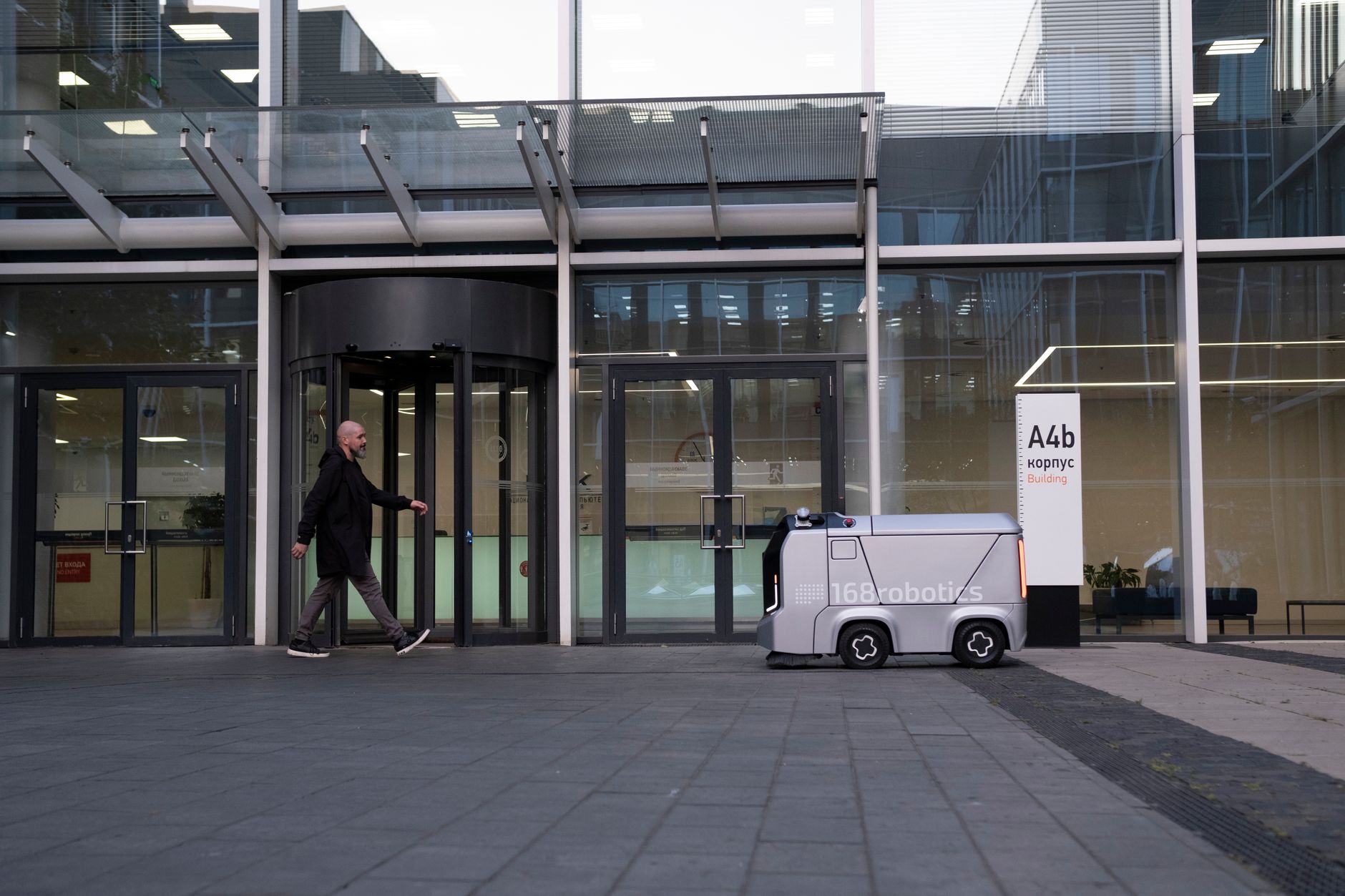
As automakers push boundaries with autonomous platforms and massive dashboard screens, heavy-duty logistics and e-commerce markets are seeing surprising shifts.
The Drive Toward Autonomous Architectures
The automotive industry is undergoing a structural transformation, with major conglomerates redesigning their fundamental vehicle architectures to accommodate a driverless future. According to reporting from Autocar, Stellantis is actively priming its upcoming vehicle platforms to be robotaxi-ready. This strategic pivot focuses on the new STLA One platform, which is due to arrive next year, as well as the company’s existing van platforms.
Stellantis, the parent company of legacy European brands like Vauxhall and Peugeot, has decided to directly incorporate the specific needs of robotaxi operators into its manufacturing pipeline. By adapting next-generation small cars and vans, the automaker is laying the groundwork for widespread autonomous deployment. These platforms are being developed with Level-four-ready architectures. In the context of autonomous driving, Level 4 automation indicates that a vehicle is capable of performing all driving functions under certain conditions without requiring any human intervention.
Building this capability into base platforms like the STLA One rather than retrofitting older models represents a significant shift. It signals that legacy automakers are no longer viewing autonomous ride-hailing as a niche experiment, but rather as a core component of their future commercial and passenger portfolios.
The Digital Real Estate of Modern Off-Roaders
While urban environments prepare for autonomous robotaxis, the consumer truck market is moving in a decidedly more screen-heavy direction. The modern vehicle cabin is increasingly defined by digital interfaces, a trend that is now reaching even the most rugged consumer vehicles on the market.
Reporting from The Drive highlights this phenomenon with the introduction of the new Chevy Silverado ZR2. Positioned as the most rugged off-roader in the Silverado lineup, the vehicle now boasts a staggering 60 inches of combined screen space across its interior. This design choice highlights a growing tension in modern automotive engineering: the balance between utilitarian capability and high-tech luxury.
For an off-road vehicle designed to navigate treacherous dirt trails, crawl over rocks, and withstand intense environmental wear, the inclusion of five feet of digital displays prompts questions about necessity and functionality. Observers and critics alike are questioning whether a vehicle built for the mud truly requires such an expansive, immersive digital dashboard. Nevertheless, the staggering 60-inch metric underscores a broader industry push to turn vehicle cabins into rolling computing environments, regardless of the vehicle's rugged exterior branding.
Redefining Heavy-Duty Efficiency in North America
Beyond passenger vehicles and off-road toys, the heavy-duty logistics sector is celebrating efficiency milestones that might sound confusing to the average consumer. For anyone accustomed to the fuel economy of a standard passenger vehicle, the number 10 miles per gallon (MPG) sounds abysmal. However, in the realm of commercial freight, context is everything.
According to Jalopnik, a North American heavy-duty semi-truck—specifically the Freightliner Cascadia—achieving 10 MPG is actually an incredibly impressive engineering feat. To understand why, one must look at the comparative workloads of different vehicles on the road:
- Standard sedans and SUVs move relatively light passenger loads, making double-digit fuel economy a baseline expectation.
- Heavy-duty semi-trucks, on the other hand, pull immense payloads across massive, cross-country distances, dealing with severe aerodynamic drag and rolling resistance.
Because of these extreme physical demands, traditional commercial transport vehicles have historically operated at much lower efficiency rates. Reaching the 10 MPG threshold in a heavy-duty semi-truck like the Freightliner Cascadia represents a significant leap forward in fuel efficiency for the North American logistics network. It is a milestone that, while unimpressive on a sedan's spec sheet, translates to massive fuel savings and reduced emissions when applied to a commercial trucking fleet.
Consumer Culture: E-Commerce Deals and Nostalgic Marketing
The technological advancements in the automotive sector are mirrored by the rapid evolution—and occasional nostalgic reversion—of the broader consumer market. As e-commerce continues to dominate retail, sales events require careful navigation.
As noted by The Drive, Amazon Prime Day 2026 features a "zillion" items with extra selling incentives. The sheer volume of discounted inventory means that the retailer is eager to move vast quantities of stock. For the consumer, this presents a challenge: separating high-quality merchandise from less desirable items. Deal hunters and analysts often have to scour these massive inventories to trim the offerings down to a secret list of reputable, good brands, intentionally filtering out the "junk" that inevitably floods massive digital sales events.
Yet, even in a highly digitized retail environment dominated by algorithmic incentives, physical marketing stunts still hold incredible cultural sway. Jalopnik recently reported on a fascinating piece of brand history involving rival footwear companies Sperry and Sebago. Decades ago, Sebago built a functional boat shaped exactly like one of its Docksides boat shoes.
This eccentric marketing stunt was effectively abandoned and lost to time, but the shoe-shaped boat was recently discovered and fully restored. The revitalization of the Docksides boat generated immense attention, leaving rival brand Sperry proverbially sobbing. The saga of the Sebago boat serves as a charming reminder that while modern commerce is increasingly driven by digital events like Prime Day, the physical, quirky marketing stunts of the past still have the power to captivate audiences today.
Key Takeaways
- Stellantis is modifying its new STLA One and van platforms to feature Level-four-ready architectures, preparing for robotaxi operations next year.
- The Chevy Silverado ZR2 off-roader now features 60 inches of screens, highlighting a trend of immersive digital interfaces even in rugged vehicles.
- Achieving 10 miles per gallon in a heavy-duty semi-truck like the Freightliner Cascadia is considered highly efficient compared to historical commercial transport averages.
- Major e-commerce events like Amazon Prime Day 2026 feature massive inventories with special selling incentives, requiring careful curation to identify quality brands.
- Sebago recently restored a decades-old promotional boat shaped like a Docksides boat shoe, drawing significant attention away from competitors like Sperry.
Frequently asked questions
What is the Stellantis STLA One platform?
The STLA One is a new vehicle platform from Stellantis, due next year, that will feature Level-four-ready architecture to accommodate autonomous vehicles and robotaxi operators.
How many inches of screens does the new Chevy Silverado ZR2 have?
The rugged Chevy Silverado ZR2 off-roader is equipped with 60 inches of screens in its cabin.
Why is 10 MPG considered good for a semi-truck?
While 10 MPG is terrible for a standard sedan or SUV, it is incredibly efficient for a heavy-duty semi-truck in North America, like the Freightliner Cascadia, due to the immense payloads they haul.
What is the Sebago shoe-shaped boat?
It is a functional boat shaped like a Sebago Docksides boat shoe. Originally built as a marketing stunt decades ago and later abandoned, it was recently discovered and restored.
- 01The Drive: Deal Hunter Intel: The Secret List of Stuff Amazon Is Eager To Move, Minus the Junk
- 02Jalopnik: This Semi Truck's 10 MPG Might Sound Terrible, But Here's Why That's Incredibly Efficient
- 03Autocar: Stellantis priming robotaxi-ready versions of One and van platforms
This editorial article was written by US News Desk's editorial desk using current reporting from the publishers above. All facts were grounded against these sources.