From Silicon EV Batteries to Drivable Lego Hypercars: The New Auto Frontier
General Motors advances EV batteries, Maserati goes electric, and Lego builds a 69-mph drivable hypercar in a rapidly shifting auto market.
General Motors advances EV batteries, Maserati goes electric, and Lego builds a 69-mph drivable hypercar in a rapidly shifting auto market.
The EV Battery Breakthrough Arriving Today
The global automotive industry is currently navigating one of its most significant transitional periods in history. As the push toward electrification continues across the United States and abroad, much of the public conversation has centered around the distant future of transportation. Consumers and industry analysts alike are constantly awaiting the next major technological leap. However, automakers and engineers are deploying functional innovations right now that are fundamentally reshaping the market.
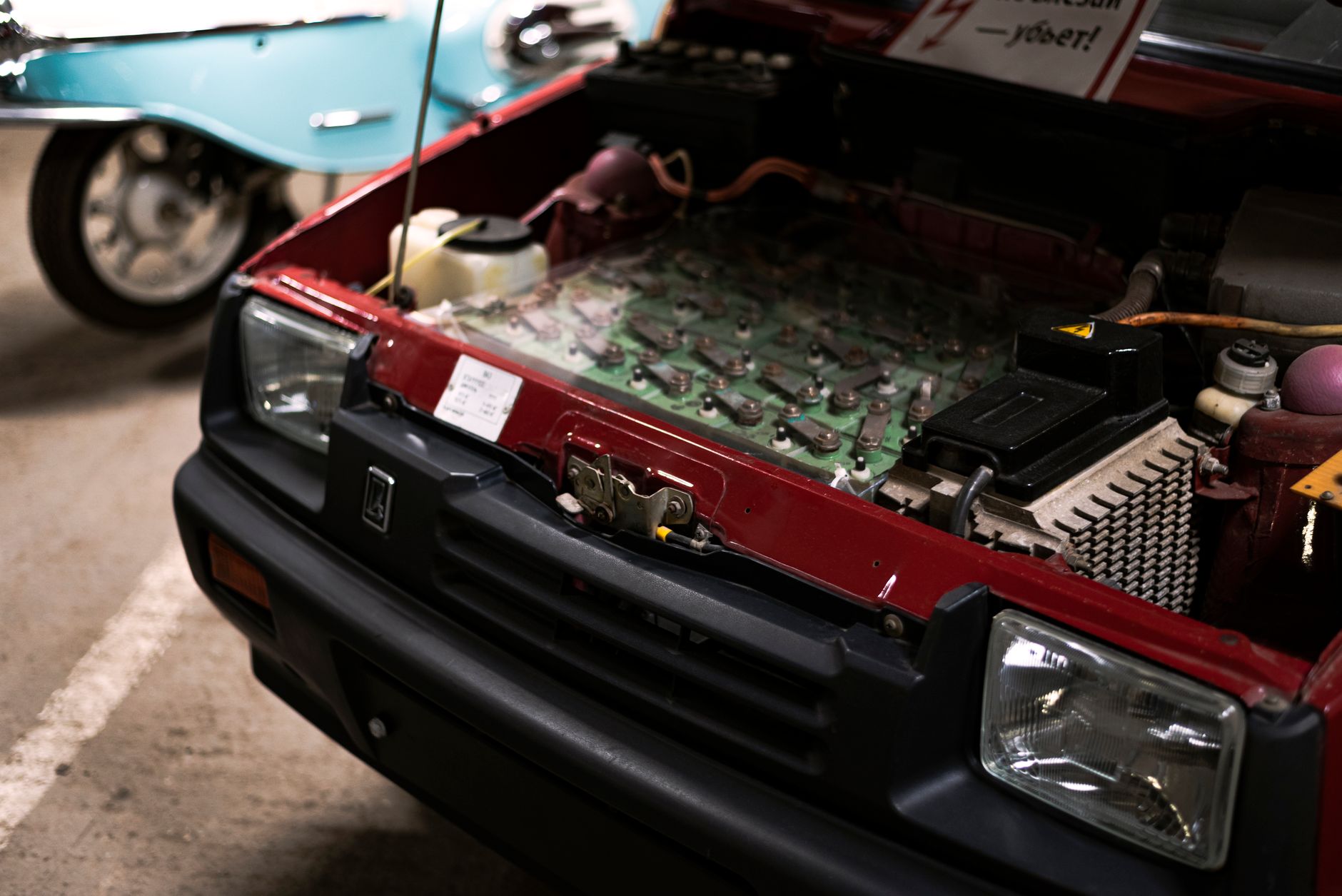
One of the primary hurdles in the widespread mass adoption of electric vehicles has been the evolution of battery technology. For years, the automotive sector has looked toward solid-state batteries as the ultimate, albeit elusive, solution for next-generation electric vehicles. Yet, a near-term breakthrough is already preparing to disrupt the sector. According to reporting by InsideEVs, General Motors is betting on silicon anodes as the next major leap in electric vehicle battery technology.
Rather than waiting for solid-state technology to fully mature and become commercially viable on a massive scale, General Motors is utilizing silicon anodes to upend the market immediately. This strategic approach signals a pragmatic shift in how major automakers are addressing the current needs of the electric vehicle market. By focusing on battery technology that is ready for deployment today, manufacturers are bridging the gap between current limitations and future promises, ensuring that the next generation of electric cars can hit the road without delay.
Luxury Performance Embraces Electrification
As American automakers focus on foundational battery innovations, storied European luxury brands are rapidly expanding their all-electric portfolios to meet modern consumer demands. The challenge for these historic manufacturers lies in adopting advanced electric power without losing the prestige and performance heritage that defines their vehicles.
According to detailed reviews and technical overviews by Car and Driver, Maserati is preparing a robust lineup of all-electric luxury vehicles for the 2027 model year. The brand's electric vehicles, carrying the "Folgore" designation, are designed to seamlessly integrate electric power into the classic Maserati aesthetic. The upcoming models include:
- The 2027 Maserati GranTurismo Folgore, an all-electric luxury performance coupe.
- The 2027 Maserati GranCabrio Folgore, a convertible counterpart designed to maintain the badge's luxury prestige.
- The 2027 Maserati Grecale Folgore, an all-electric version of the brand's compact luxury SUV.
These models represent the brand’s latest all-electric luxury performance vehicles, signaling that high-end grand touring is ready to transition away from traditional combustion engines. The introduction of the Grecale Folgore demonstrates how manufacturers are integrating electric power across their entire lineup. By bringing electric performance to a compact luxury SUV, Maserati is ensuring that consumers seeking practical, everyday utility can also access the brand's latest technological advancements.
Pushing Engineering Boundaries with Plastic Bricks
While legacy automakers focus on practical transportation, battery chemistry, and luxury performance, engineers in the enthusiast space are pushing the boundaries of what is mechanically possible using highly unconventional materials. In a stunning display of modeling and mechanical ingenuity, the worlds of high-performance hypercars and interlocking plastic bricks have collided.
According to Car and Driver, Lego has pulled out all the stops to create its most ambitious Technic set to date: a replica of the Koenigsegg Sadair’s Spear. The consumer kit itself is a marvel of scale modeling, capturing the intricate details of the high-performance vehicle. However, the company did not stop at a mere tabletop model. Taking the project to an unprecedented level, a team constructed a full-size, drivable version of the Koenigsegg hypercar entirely out of Lego Technic elements.
Reporting from Motor1 reveals the staggering scale and dedication required for this endeavor. The full-size Lego Technic build demanded more than 9,000 hours of labor to assemble. The final drivable structure features over 327,000 individual pieces. Remarkably, this massive plastic construction is not just a static display; it is fully functional.
The vehicle was put to the test at the famous Goodwood estate, where it managed to reach a highly impressive top speed of 69 mph. This phenomenal achievement officially makes the life-size Koenigsegg replica the world's fastest Lego car, proving that the technical capabilities of these model pieces extend far beyond simple structural representation.
The Intersection of Practicality and Passion
These recent developments underscore the incredible breadth of the modern automotive technology sector. On one end of the spectrum, companies like General Motors are making calculated, pragmatic investments in silicon anode batteries to immediately improve the viability and performance of consumer electric vehicles. Meanwhile, luxury brands like Maserati are proving that the transition to electric power does not require sacrificing luxury or performance heritage, as evidenced by their comprehensive 2027 Folgore lineup.
On the other end of the spectrum, the record-breaking 69 mph run of a drivable Lego Koenigsegg serves as a vivid reminder that automotive engineering is still deeply rooted in passion, experimentation, and play. Whether it is through a breakthrough in battery chemistry, the silent acceleration of an electric luxury SUV, or the meticulous assembly of over 327,000 Lego pieces, the drive to innovate continues to propel the automotive world forward in unexpected directions.
Key Takeaways
- General Motors is prioritizing silicon anodes over solid-state technology to immediately disrupt the EV battery market.
- Maserati is launching the all-electric GranTurismo, GranCabrio, and Grecale Folgore models for 2027.
- Lego built a drivable, full-size Koenigsegg Sadair’s Spear from over 327,000 Technic pieces, reaching 69 mph at Goodwood.
Frequently asked questions
What battery technology is General Motors focusing on for its EVs?
General Motors is betting heavily on silicon anodes as the next immediate breakthrough in EV batteries, choosing to utilize them to upend the market rather than waiting for solid-state technology to mature.
What electric vehicles is Maserati releasing in 2027?
Maserati is introducing the 2027 GranTurismo Folgore, the GranCabrio Folgore, and the Grecale Folgore, expanding its all-electric luxury performance lineup.
How fast is the drivable Lego Koenigsegg?
The full-size Lego Technic Koenigsegg Sadair’s Spear reached a top speed of 69 mph at Goodwood, making it the world's fastest Lego car.
- 01Car and Driver: Koenigsegg Sadair’s Spear Is Lego's Most Ambitious Technic Set Yet
- 02Motor1: This Is The World's Fastest Lego Car
- 03InsideEVs: Forget Solid-State. This EV Battery Breakthrough Is Ready To Upend The Market Now
This editorial article was written by US News Desk's editorial desk using current reporting from the publishers above. All facts were grounded against these sources.