From Silicon EV Batteries to Robotaxis: Navigating the 2026 Auto-Tech Landscape
As electric vehicles evolve and autonomous fleets expand, the automotive sector faces a complex web of technological leaps and security threats.
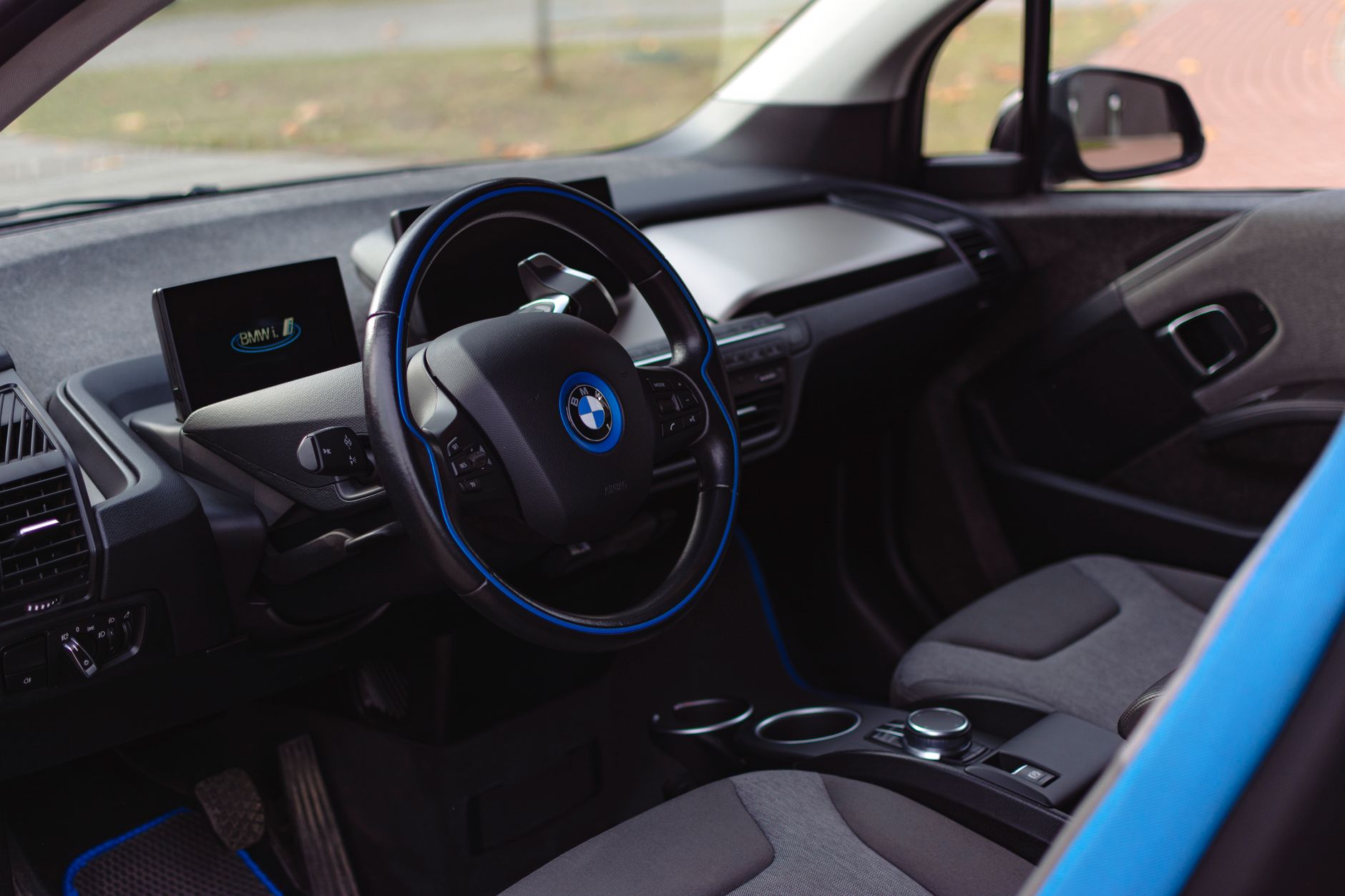
As electric vehicles evolve and autonomous fleets expand, the automotive sector faces a complex web of technological leaps and security threats.
The American technological and automotive sectors are undergoing massive transformations as of mid-2026. While the public's attention frequently darts between emerging vehicle start-ups and high-profile data breaches, a deeper look reveals an industry wrestling with both foundational consumer safety and cutting-edge propulsion. Recent developments span from sweeping legal verdicts regarding counterfeit vehicle components to strategic pivots by legacy automakers attempting to redefine how modern electric vehicles store their power.
As transportation becomes increasingly digitized and electrified, the traditional boundaries between automotive manufacturing and software engineering continue to blur. This evolution brings immense opportunities for efficiency and convenience, but it also introduces severe vulnerabilities that regulators, companies, and consumers must navigate.
Rethinking the Electric Vehicle Battery
Electric vehicle adoption relies fundamentally on the continual evolution of battery technology. For several years, the automotive industry has heralded solid-state batteries as the inevitable, perfect future of clean transportation. However, recent reporting by InsideEVs suggests a significant pivot is underway among major legacy automakers.
General Motors is now focusing its resources on silicon anodes as the immediate technological leap ready to disrupt the current electric vehicle battery market. Rather than waiting for solid-state architecture to mature—a process that has been fraught with manufacturing and scaling delays—GM's investment in silicon anode technology aims to upend the market immediately.
According to industry observers, this breakthrough is ready to be deployed now. By integrating silicon anodes, manufacturers hope to dramatically improve the energy density, charging speeds, and overall efficiency of EVs in the short term. This strategic divergence is critical for consumers and investors to watch, as it dictates the pace of electric vehicle deployment and affordability over the next several production cycles.
The Complex Race for Autonomous Robotaxis
Beyond the question of how vehicles are powered, the issue of who—or what—is operating them continues to dominate industry headlines. The race to develop and deploy autonomous robotaxis is increasingly convoluted. Every time industry analysts appear to grasp the state of autonomous ride-hailing, fresh announcements shift the competitive landscape.
According to summer 2026 coverage from InsideEVs, the market is characterized by intense, multifaceted competition. The ecosystem of companies vying for dominance in the autonomous public transit space is moving at varying speeds, creating a highly complicated regulatory and consumer environment. Updates continue to pour in from major developers, including:
- Tesla, which continues to iterate its autonomous driving infrastructure.
- Uber, leveraging its massive global ride-share network to integrate autonomous options.
- Waymo, the prominent pioneer pushing further into everyday passenger deployment.
- Wayve, a key player developing advanced autonomous software systems.
- Lucid, expanding its focus beyond luxury consumer vehicles to influence the broader autonomous sector.
The continuous barrage of news from these entities proves that the definitive winner of the robotaxi race is still far from being decided.
Micro-Mobility and Niche Manufacturing
The transition to zero-emission vehicles is also making room for highly unconventional form factors. While legacy manufacturers frequently focus their efforts on massive, heavy-duty electric trucks and SUVs, smaller start-ups are attempting to carve out niche markets with radically different design philosophies.
According to Jalopnik, the start-up automaker Telo has moved a critical step closer to actualizing its MT1 electric pickup truck. Described as tiny and adorable, the Telo MT1 recently announced a finalized manufacturing partner.
Securing a manufacturing facility is a notoriously difficult hurdle for any automotive start-up, often separating vaporware from viable consumer products. While Jalopnik notes that Telo's ultimate fate in a brutal, capital-intensive industry remains far from settled, the announcement of a manufacturing partner offers tangible good news for advocates of compact, highly efficient utility vehicles.
Safety Infrastructure and Legal Accountability
Technological advancement cannot outpace fundamental consumer safety. The severe consequences of global supply chain failures and counterfeit auto parts were recently highlighted in a landmark civil case in Florida.
Reporting from Road & Track details a staggering $603 million judgment awarded to the family of a deceased victim. The wrongful death lawsuit centered entirely on the fatal failure of a counterfeit vehicle airbag, a stark reminder of the deadly risks associated with unverified aftermarket components.
The trial underscored immense issues of counterfeit airbag liability. Notably, the civil proceedings moved forward without the presence of the defending manufacturer. The Chinese airbag supplier at the center of the lawsuit, Jilin Province Detiannuo Safety Technology Co., Ltd., failed to attend the Florida trial. This massive financial judgment demonstrates the lengths to which the United States legal system will go in order to hold international supply chains accountable for fatal manufacturing discrepancies, even when foreign companies refuse to participate in the legal process.
The Expanding Landscape of Cybersecurity
As physical vehicles and urban environments become more connected, the broader technology landscape continues to grapple with data security and personal privacy. The modern consumer is surrounded by digital touchpoints, each representing a potential vulnerability or shift in how personal data is managed.
A recent roundup of security and privacy developments by Wired highlights the multi-front battle to secure digital identities. High-profile entertainment and sports venues are currently dealing with severe network breaches, with hackers recently claiming to leak stolen data originating from Madison Square Garden.
Simultaneously, privacy paradigms are rapidly shifting in local communities and international enterprise markets alike. In San Francisco, some gay bars have implemented face-scanning technology, raising intense new questions about biometric data collection in private, socially sensitive spaces.
On a global scale, the French government has opted to quit using services from the controversial data analytics firm Palantir, signaling a shift in how sovereign nations manage domestic intelligence and data contracts. Meanwhile, in the consumer tech space, Apple is reportedly planning significant alterations to its private email services. Together, these events demonstrate how continually consumer privacy protocols must evolve to meet the relentless pace of modern security demands.
Key Takeaways
- General Motors is prioritizing silicon anodes over solid-state technology as the next immediate breakthrough for electric vehicle batteries.
- A Florida jury awarded $603 million to a deceased woman's family following a fatal counterfeit airbag failure, with the Chinese supplier failing to attend the trial.
- The 2026 robotaxi market remains highly complex, with companies like Tesla, Uber, Waymo, Wayve, and Lucid continually shifting the competitive landscape.
Frequently asked questions
What is General Motors' current electric vehicle battery strategy?
According to recent industry reports, General Motors is betting heavily on silicon anodes as an immediate market breakthrough, pivoting focus away from delayed solid-state battery technology.
What was the result of the recent counterfeit airbag lawsuit in Florida?
A Florida jury awarded $603 million to the family of a deceased victim in a wrongful death lawsuit. The defendant, Chinese supplier Jilin Province Detiannuo Safety Technology Co., Ltd., failed to attend the trial.
Which companies are competing in the robotaxi market as of 2026?
The autonomous ride-hailing space is currently populated by a diverse array of developers, including Tesla, Uber, Waymo, Wayve, and Lucid, all of which are actively iterating their technologies.
- 01Jalopnik: Tiny, Adorable Telo MT1 Electric Pickup Truck Moves One Step Closer To Making Me Eat My Own Words
- 02Road & Track: Deceased Woman’s Family Awarded $603 Million in Counterfeit Airbag Death Lawsuit
- 03InsideEVs: Forget Solid-State. This EV Battery Breakthrough Is Ready To Upend The Market Now
- 04Wired: Hackers Claim to Leak Stolen Madison Square Garden Data
This editorial article was written by US News Desk's editorial desk using current reporting from the publishers above. All facts were grounded against these sources.