Global Auto Tech: Chinese Expansion and Battery Innovations
As Chinese automotive brands expand their global footprint, legacy manufacturers counter with novel battery tech and unique engineering feats.
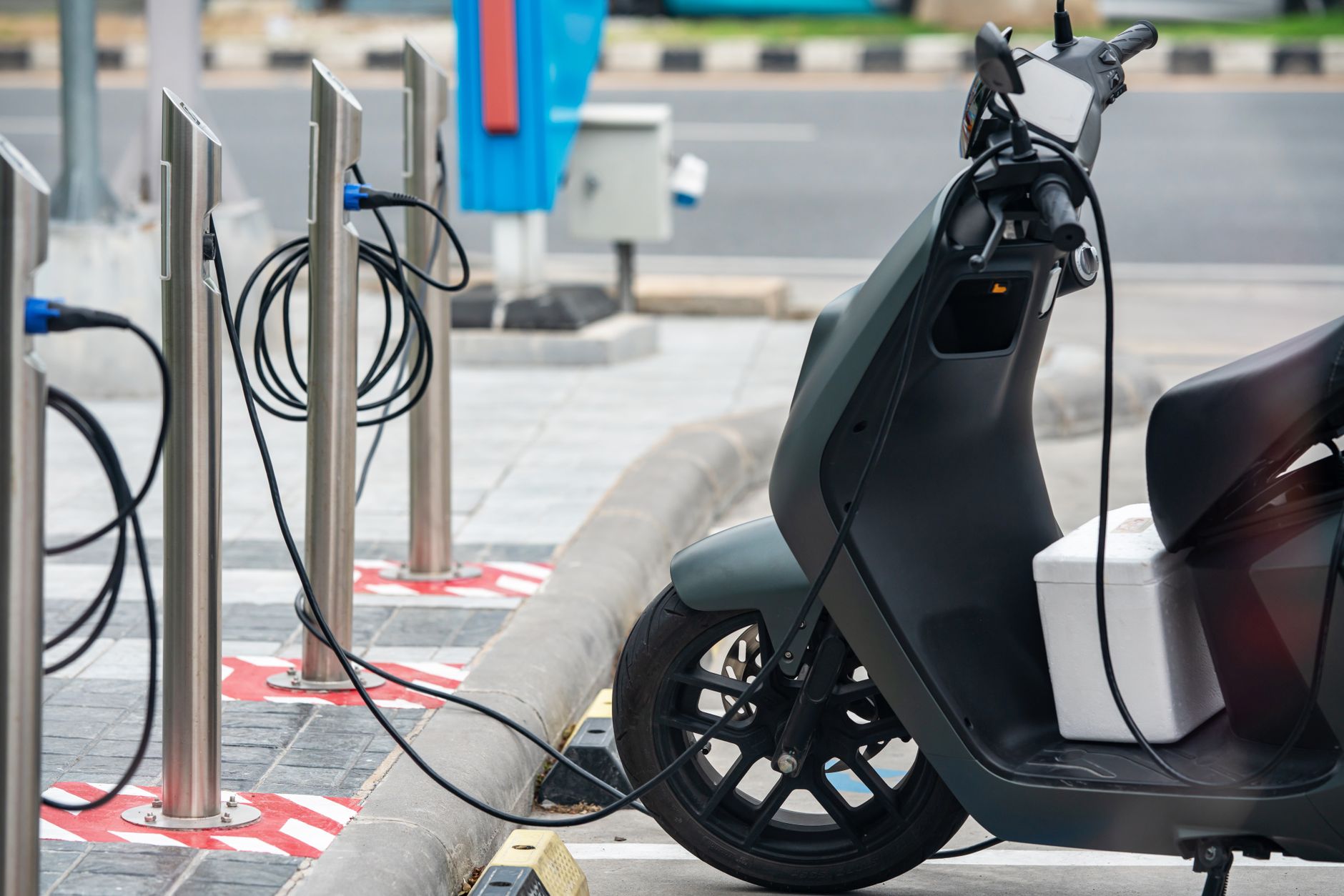
As Chinese automotive brands expand their global tech footprint, legacy manufacturers are countering with novel battery technologies and unique engineering feats.
The global automotive industry is undergoing a profound technological transformation, driven by emerging powerhouses and legacy manufacturers alike. At the center of this shift is the rapid international expansion of Chinese technology and automotive brands, fundamentally altering competitive dynamics in established markets. Simultaneously, traditional automakers are pivoting toward novel battery chemistries to maintain an edge, while luxury and performance sectors continue to push the boundaries of engineering and brand partnerships.
Disruption Through Advanced Vehicles and Pricing
The narrative of global automotive dominance is being rewritten by Chinese manufacturers, most notably in the electric vehicle sector. According to reporting by Autocar, the Chinese brand BYD has successfully transitioned from an unknown entity in the United Kingdom to a formidable competitor. Under the leadership of Bono Ge, BYD has evolved into a significant threat to established legacy automakers, including Ford and Audi.
Industry analysts and car watchers have occasionally characterized the rapid progress of leading Chinese marques in the UK market as an unearned, overnight success. However, Autocar notes that this perception overlooks the strategic foundation of BYD's market penetration. The brand's rapid ascent is heavily predicated on a compelling consumer proposition: the ability to manufacture and sell technologically advanced vehicles at lower price points than European and American competitors.
The success of Chinese automotive technology in international markets, as exemplified by BYD, hinges on several critical factors:
- The capacity to deliver advanced vehicle technologies to consumers globally.
- A pricing strategy that significantly undercuts established domestic and international competitors.
- Rapid brand expansion led by executives who systematically transform unknown entities into household threats.
- Challenging the entrenched market dominance of historic mass-market and luxury automakers.
This combination of advanced automotive technology and aggressive pricing models is setting a new standard in the international vehicle market, forcing legacy brands to fundamentally reevaluate their development and manufacturing strategies.
The Shift Toward Silicon Anodes
As Chinese technology companies leverage advanced vehicle manufacturing to capture market share, American legacy automakers are focusing heavily on the foundational technology of electric vehicles: the battery. While the automotive industry has spent years conceptualizing solid-state batteries as the ultimate future of electric vehicle power, new developments are shifting immediate priorities.
According to InsideEVs, General Motors is betting heavily on an alternative breakthrough that is ready to deploy immediately. Rather than waiting exclusively for solid-state technology to mature, General Motors is turning its primary attention to silicon anodes.
This technology is being heralded as the next major leap in electric vehicle battery systems. By focusing on silicon anodes, General Motors aims to upend the current market, delivering near-term improvements in efficiency and energy management that could help traditional manufacturers keep pace with the highly competitive global electric vehicle sector.
Updating the Luxury Standard
While mass-market manufacturers battle over battery chemistry and pricing structures, the luxury automotive sector continues to refine its technical offerings to maintain consumer interest. According to Car and Driver, the upcoming 2027 Maserati Grecale represents the latest iteration of high-end sport utility vehicle engineering.
The publication outlines detailed updates for the model year, highlighting the luxury SUV's refined technical specifications and adjusted pricing structures. This continuous evolution in the luxury space demonstrates how legacy brands are striving to maintain their premium positioning through meticulous technical updates, even as broader market dynamics shift toward widespread electrification and value-oriented alternatives.
Pushing Engineering Boundaries
The intersection of automotive technology and engineering prowess occasionally yields highly unconventional projects that showcase technical capabilities in entirely unique ways. A prime example of this is the recent collaboration between high-performance automaker Koenigsegg and the iconic toy manufacturer Lego.
As detailed by Car and Driver, Lego has introduced the Koenigsegg Sadair’s Spear, which the publication describes as the company's most ambitious Technic set to date. The manufacturer pulled out all the stops for the latest release. However, the project extended far beyond a standard consumer model. According to Motor1, Lego built a full-size, drivable version of the vehicle.
The scale of the Koenigsegg Sadair’s Spear Lego project is illustrated by its staggering construction statistics:
- Over 327,000 individual Lego pieces were required for the assembly.
- The intricate construction process demanded more than 9,000 hours of dedicated labor.
- The completed full-size Lego Technic model is fully drivable.
- The vehicle achieved a verified top speed of 69 mph during a run at Goodwood.
This feat highlights the extreme lengths to which automotive and engineering brands will go to demonstrate structural integrity and design innovation, creating a stark contrast to the highly practical market battles being fought by mass-market electric vehicle manufacturers.
Integrating High-Tech Solutions Across Tiers
The current state of automotive technology reveals a bifurcated yet interconnected global industry. On one end, Chinese technology and manufacturing strategies are democratizing access to advanced vehicles, utilizing aggressive pricing and high-tech features to challenge century-old western brands in key regions like the UK.
On the other end, legacy manufacturers are aggressively defending their market positions through targeted technological breakthroughs, such as General Motors' pivot to silicon anodes, while continuing to refine traditional architectures in luxury models like the Maserati Grecale. Ultimately, these distinct approaches underscore a singular reality: survival in the modern automotive market requires relentless technical innovation and the ability to adapt to an increasingly globalized technological landscape.
Key Takeaways
- Chinese automaker BYD is aggressively expanding into the UK market, utilizing advanced technology and lower pricing to challenge legacy brands like Ford and Audi.
- General Motors is bypassing solid-state battery development in the near term, betting on silicon anodes as an immediate breakthrough to upend the EV market.
- Automotive engineering continues to push boundaries outside traditional manufacturing, highlighted by a drivable, full-size Lego Koenigsegg that reached 69 mph.
Frequently asked questions
How is the Chinese brand BYD performing in the UK market?
Under executive Bono Ge, BYD has grown from an unknown entity in the UK to a major competitive threat to legacy brands like Ford and Audi. Analysts note their success is based on the ability to sell advanced cars at lower prices.
What battery technology is General Motors focusing on?
General Motors is betting on silicon anodes as the next immediate leap in electric vehicle battery technology, positioning it as a breakthrough ready to upend the market right now, rather than waiting for solid-state batteries.
How fast is the full-size Lego Koenigsegg car?
The full-size, drivable Lego Koenigsegg Sadair's Spear reached a top speed of 69 mph during a run at Goodwood. It took over 9,000 hours and 327,000 pieces to build.
- 01Autocar: How to crack the UK market, according to BYD
- 02Car and Driver: 2027 Maserati Grecale
- 03Motor1: This Is The World's Fastest Lego Car
- 04InsideEVs: Forget Solid-State. This EV Battery Breakthrough Is Ready To Upend The Market Now
This editorial article was written by US News Desk's editorial desk using current reporting from the publishers above. All facts were grounded against these sources.