Global Chip Supply Strains Push Tech Giants Toward Blacklisted Suppliers
As memory chip shortages drive up consumer costs, companies are navigating complex international trade restrictions to secure vital components.
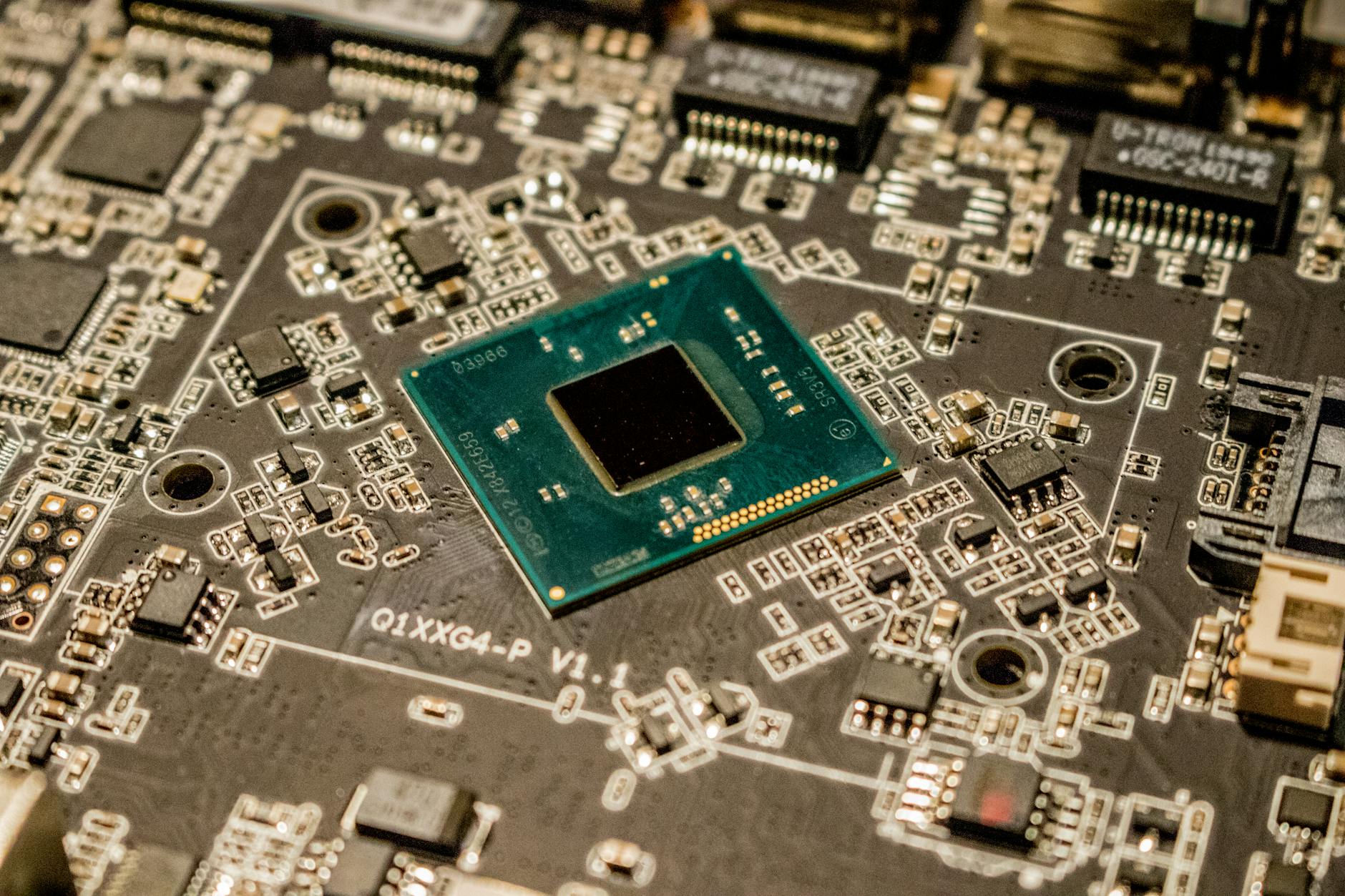
As memory chip shortages drive up consumer costs, companies are navigating complex international trade restrictions to secure vital components.
The Pressure on Global Hardware Supply Chains
The global technology supply chain is currently facing a period of intense pressure, driven by rapidly shifting market demands and increasingly complex geopolitical landscapes. At the heart of this tension is the ubiquitous memory chip. Foundational to almost all modern electronics, from basic smartphones to top-tier professional workstations, memory components are suddenly in short supply. This bottleneck is not merely a logistical hiccup; it is reshaping how major technology companies source their components, price their hardware, and navigate international trade laws.
According to reporting from CNET, a massive boom in advanced computing development is the primary catalyst causing this severe memory chip shortage. As the tech industry races to build more sophisticated data centers and consumer devices capable of handling complex computational tasks, the sheer volume of memory required has skyrocketed. This surge in demand has quickly outpaced global manufacturing capacities, creating a squeeze that is now directly impacting the consumer market.
The financial fallout of this shortage is already trickling down to everyday users. CNET notes that technology giants, faced with mounting component costs, are passing these expenses on to their customer base. Apple, for instance, has implemented hardware price hikes to offset the rising cost of memory. These increases highlight a stark reality of the current technology landscape: as the underlying hardware becomes more advanced and resource-intensive, the baseline cost of entry for consumers inevitably rises.
To understand why companies are forced into these pricing strategies, one must look at the immense pressure on their procurement departments. Securing a reliable stream of memory is no longer just about finding the best price; it is about finding any available supply at all. This desperation is pushing some of the world’s most profitable companies to explore highly unconventional, and politically sensitive, avenues to keep their production lines moving.
Navigating Trade Restrictions and Blacklisted Suppliers
The severity of the global memory shortage is perhaps best illustrated by the extreme lengths to which companies will go to secure new component suppliers. According to The Verge, which cited reporting from the Financial Times, Apple is actively looking to alleviate some of the immense pressure on its supply chain by sourcing Random Access Memory (RAM) chips from a highly controversial source: CXMT.
CXMT is a Chinese semiconductor manufacturer, and conducting business with the firm is far from a standard procurement procedure for a United States-based corporation. The Pentagon has officially blacklisted CXMT due to its alleged ties to the People's Liberation Army. This designation makes it exceedingly difficult for American companies to integrate the supplier's components into their products without violating national security protocols and strict international trade restrictions.
Because of this blacklisted status, Apple cannot simply sign a contract and begin importing CXMT’s memory chips. Instead, the technology giant is seeking a special exception from the Trump administration. Requesting federal permission to bypass a Pentagon blacklist underscores just how critical the memory shortage has become. If a company with Apple's vast resources and established supply chain network is willing to navigate such complex and politically fraught regulatory hurdles, it signals that traditional, unrestricted suppliers are struggling to meet global demand.
For international observers, this development highlights the deep entanglements between global commerce and national security. The push-and-pull between a corporation's need to manufacture consumer electronics and a government's mandate to restrict capital flow to foreign military-affiliated entities creates a precarious balancing act. The outcome of Apple's request to the Trump administration could set a significant precedent for how other technology companies handle supply chain crises involving restricted international entities.
Advanced Silicon Demands Unprecedented Resources
The urgency to secure memory components is directly tied to the aggressive hardware roadmaps planned by major technology firms. Companies are not just maintaining their current product lines; they are preparing to launch entirely new generations of high-performance silicon that require massive amounts of memory to function properly. According to reporting from 9to5Mac, Apple is currently working on significant upgrades to its Mac Studio lineup, which will demand a steady supply of these exact components.
Later this year, Apple is expected to debut an updated version of the Mac Studio, a machine favored by creative professionals and software developers. This highly anticipated refresh will introduce the M5 Max and M5 Ultra chips. The introduction of this new silicon represents a major leap forward in processing power, but that advanced computing capability relies heavily on sufficient high-speed memory to feed data to the processors.
The current iteration of the Mac Studio, which was released in early 2025, utilizes the M4 Max and M3 Ultra chips. As 9to5Mac notes, this leaves the high-end tier of Apple's desktop lineup somewhat behind the curve technologically. To maintain its competitive edge in the professional workstation market, the company must push forward with the M5 generation, placing even greater strain on its already taxed memory supply chain.
Furthermore, hardware development operates on a multi-year timeline. The tech giant is not only securing components for this year's releases but is also looking ahead to future generations. Reports indicate that Apple is already working on an M7 Ultra Mac Studio targeted for a 2028 release. This potential major upgrade ensures that the company's appetite for advanced memory chips will only increase over the next few years, making long-term supplier relationships—even potentially controversial ones like CXMT—a strategic necessity.
The Compounding Costs of the Digital Era
While the geopolitical drama surrounding blacklisted chip suppliers plays out at the federal level, the downstream effects are felt acutely by consumers and everyday businesses. The hardware price hikes driven by memory shortages are just one facet of a broader economic trend: the overall cost of participating in the modern digital ecosystem is climbing across the board.
Consumers and businesses are now facing a multifaceted increase in technological expenses, which include:
- Hardware price hikes: Passed down directly from manufacturers dealing with global component shortages.
- New digital taxation: Such as California's recent legislative changes impacting downloaded applications.
- Premium service models: The broader industry shift where previously standard features are now gated behind higher subscription tiers.
Software and digital services are facing entirely new financial pressures. According to The Next Web, California Governor Gavin Newsom and top Democratic legislators recently agreed on a sweeping $351.7 billion state budget deal. Hidden within this massive legislative package is a provision that will significantly impact technology users: for the first time, California will extend its sales tax to include prewritten software downloaded from the web.
Because California represents one of the largest economies in the world and serves as the epicenter for the global technology industry, changes to its tax code have far-reaching implications. Businesses that rely on downloaded software tools, and consumers purchasing digital applications, will now face additional baseline costs. This legislative move signals a broader shift in how regional governments view digital goods, treating downloaded software with the same taxable status as physical merchandise.
Even leisure technology is not immune to these rising costs. The digital streaming industry, once championed as a cost-effective reprieve from traditional cable television, is undergoing its own economic restructuring. According to The Verge, ad-free streaming has transitioned from a standard offering to a premium luxury. As platforms look to maximize revenue in a saturated market, consumers are forced to either tolerate regular advertising interruptions or pay much higher subscription fees for uninterrupted viewing.
Ultimately, the current technology landscape is defined by compounding financial pressures. From the hardware level—where global memory shortages force companies to petition the federal government for the right to buy from blacklisted Chinese suppliers—to the software level, where new state taxes and premium subscription models dominate, the era of cheap digital expansion is shifting. As companies prepare their next generation of advanced processors, they will have to navigate a complex web of constrained supply chains, stringent trade restrictions, and an increasingly burdened consumer base.
Key Takeaways
- A massive boom in advanced computing development has triggered a severe global memory chip shortage, leading to hardware price hikes for consumers.
- Apple is reportedly seeking a special exception from the Trump administration to purchase memory chips from CXMT, a Chinese supplier blacklisted by the Pentagon.
- Upcoming professional hardware, including Apple's planned M5 and M7 Mac Studio models, will require substantial memory resources, placing further strain on the supply chain.
- Consumers face compounding technological expenses, highlighted by hardware price increases, rising streaming costs, and a new California state tax on downloaded software.
Frequently asked questions
Why is there currently a global memory chip shortage?
A massive surge in advanced computing development has rapidly increased the industry's demand for memory components, straining global manufacturing supply chains and causing widespread shortages.
Why is the Chinese chipmaker CXMT blacklisted by the US government?
The Pentagon officially blacklisted the semiconductor manufacturer CXMT due to the company's alleged ties to the People's Liberation Army, restricting American companies from freely purchasing their components.
How is California changing its taxation on digital software?
As part of a $351.7 billion state budget agreement, California will extend its sales tax to include prewritten software downloaded from the web for the very first time.
- 01The Verge: Apple wants permission to buy memory from a blacklisted Chinese supplier
- 02CNET: Apple's Price Hikes Aren't Just an AI Problem
- 03The Next Web: California will tax downloaded software for the first time as part of a $351.7 billion budget deal
- 049to5Mac: Apple working on M7 Ultra Mac Studio for 2028 with potential major upgrade: report
This editorial article was written by US News Desk's editorial desk using current reporting from the publishers above. All facts were grounded against these sources.