Hardware Shortages and Record Corporate Spending Reshape the Tech Sector
Hardware crunches are driving up tech prices, while automated enterprise software and record corporate political spending reshape the industry.
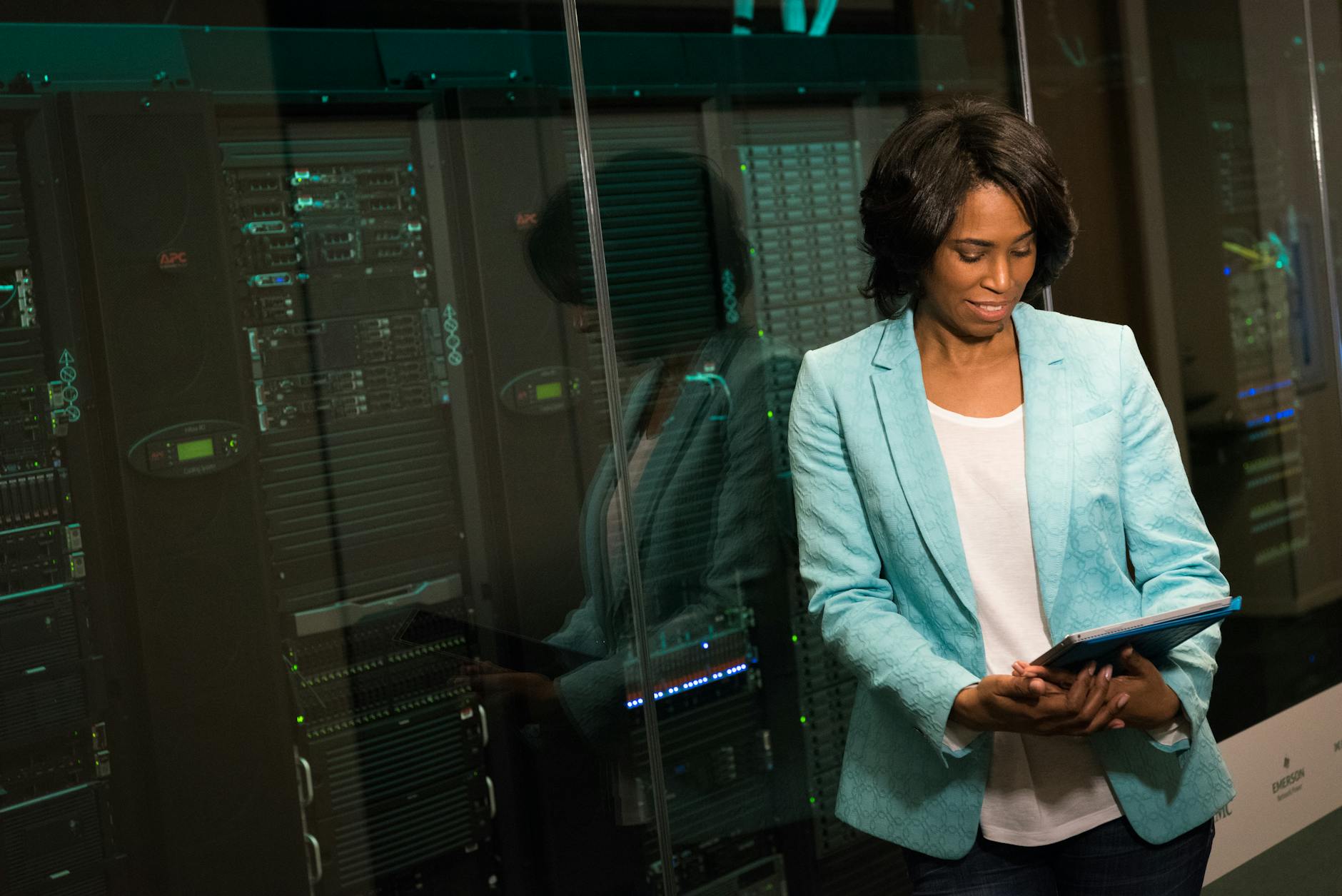
From hardware supply chain bottlenecks pushing up storage prices to automated enterprise tools and record political spending, the technology sector is undergoing massive structural shifts.
The Growing Hardware and Storage Squeeze
Across the electronics market, a significant shift is occurring that directly impacts the bottom line for everyday consumers and large-scale enterprise IT departments. According to reporting from The Verge, buyers are currently facing a frustrating and expensive reality: an ongoing "RAM, storage, and component crunch." This systemic bottleneck in the global supply chain has fundamentally disrupted standard pricing models across the entire computing industry.
Historically, the cost of consumer electronics, particularly laptops, would steadily depreciate the longer a specific device remained on the market. However, the current reality tells a vastly different story. The Verge notes that plenty of computer models have actually gone up in price after being available for months. Even older systems that have been sitting on retail shelves for over a year are experiencing unexpected price hikes. Furthermore, when manufacturers do manage to release new hardware generations, these machines are hitting the market at noticeably higher starting prices than their predecessors.
For consumers and IT procurement managers looking to upgrade their corporate storage solutions or fleet of enterprise laptops, finding affordable options has become increasingly difficult. To navigate this challenging pricing landscape, many are relying on massive retail discount events. Publications like Wired have been meticulously tracking Amazon Prime Day deals to help buyers find necessary relief. By evaluating and recommending tested gear, reviewers are attempting to guide consumers toward the few remaining hardware investments worth spending money on, especially as the component crunch shows no immediate signs of easing.
Transforming the Enterprise Workspace
While the physical hardware sector grapples with manufacturing limitations and rising storage costs, the software side of the technology industry is aggressively expanding its capabilities within the modern workplace. The focus has shifted from simple communication platforms to deeply integrated automated systems that fundamentally alter how employees interact with company data.
A prime example of this shift is a recent development from Anthropic. According to Engadget, Anthropic has officially introduced a new feature called @Claude for Slack. For years, digital workers have relied on standard built-in tools like Slackbot for basic reminders and simple automated responses. However, Engadget reports that this new iteration of Claude is essentially taking over Slackbot's job, offering a far more sophisticated approach to workplace assistance.
TechCrunch provides further insight into the strategic nature of this software deployment. The new Claude Tag functions as an always-on teammate directly within the enterprise messaging platform. It is explicitly designed to continuously learn about a company, literally one Slack message at a time. This represents a significant evolution in enterprise operations. Beyond simply boosting daily worker productivity, TechCrunch notes that this integration is a deliberate, strategic play by Anthropic to capture critical organizational context. By analyzing the daily flow of corporate communication, the tool absorbs institutional knowledge and seamlessly maps out complex enterprise workflows.
The Expanding Political Footprint of Technology Corporations
As software companies introduce deeply integrated workspace systems and hardware manufacturers navigate complex global supply chains, the technology industry is also moving aggressively to secure its broader interests in the political arena. The sheer scale of capital behind modern technology ventures is increasingly spilling over into regional legislative and electoral battles.
According to The Verge, corporate technology super political action committees (super PACs) have begun spending staggering amounts of money to influence local politics. In a recent and highly notable example, super PACs focused on advanced automated computing spent a massive $27 million on a single local election. This spending was specifically directed at the New York 12th District, aggressively targeting the race involving Alex Bores.
This extraordinary financial intervention highlights a crucial development in how technology conglomerates approach regulation and governance. By pouring tens of millions of dollars into highly targeted, localized races, these organizations are attempting to shape the regulatory landscape from the ground up. As noted in the Regulator newsletter from The Verge—which chronicles the political maneuvers of major tech entities in Washington and beyond—tracking these developments is essential. The strategy suggests that corporate entities recognize the profound importance of local legislative bodies in drafting policies that will eventually govern data privacy, enterprise software deployment, and domestic hardware standards.
Navigating an Interconnected Market
The convergence of these three distinct areas presents a comprehensive picture of the modern technology landscape for both domestic and international observers. The intersecting developments highlight several critical market forces:
- Supply Chain Volatility: The ongoing shortages in RAM and storage components are directly translating to higher consumer prices, effectively reversing the traditional trend of technological hardware depreciation.
- Workplace Integration: Automated workplace tools are rapidly evolving from basic task managers to comprehensive, always-on systems that actively capture and analyze deep institutional workflows.
- Regulatory Intervention: Unprecedented financial investments by tech-focused super PACs indicate a deliberate, well-funded strategy to influence local policy and secure highly favorable operating environments for future corporate growth.
On the physical front, the RAM and storage component crunch continues to force consumers to be highly strategic about when and where they purchase their computing equipment. Retail events have transformed from mere discount holidays into necessary purchasing windows for buyers trying to outmaneuver rising retail costs.
Simultaneously, the deployment of tools like Anthropic's Claude Tag demonstrates that the inherent value of digital infrastructure is rapidly increasing. As these automated systems learn enterprise workflows and capture institutional knowledge, the data stored on increasingly expensive laptops and servers becomes more critical to a company's daily operations.
Finally, the $27 million local election spending by corporate super PACs underscores the high stakes involved. The companies building these advanced platforms and navigating these volatile hardware supply chains are acutely aware that their future success depends on favorable regulatory environments, leaving very little to chance in the political sphere.
Key Takeaways
- A persistent RAM and storage component crunch is driving up the cost of both new and older laptop models across the technology hardware market.
- Enterprise communication is shifting as Anthropic's Claude Tag integrates into Slack to actively capture institutional knowledge and complex workflows.
- Corporate technology super PACs are heavily investing in local politics, recently spending $27 million on a single race in New York's 12th District.
Frequently asked questions
Why are older laptop models increasing in price?
According to The Verge, a severe RAM, storage, and component crunch has disrupted the market, causing even computers that have been on shelves for over a year to see unexpected price hikes.
What is Anthropic's new tool for Slack?
Anthropic has introduced @Claude for Slack, essentially replacing Slackbot. TechCrunch reports it acts as an always-on teammate designed to learn organizational context and workflows from daily messages.
How much did tech super PACs spend in the New York 12th District election?
Corporate technology super PACs spent $27 million on the local election involving Alex Bores, according to reporting by The Verge.
- 01Wired: 95 Prime Day Deals on Gear We’ve Tested and Would Spend Our Own Money On
- 02The Verge: Why corporate AI super PACs spent $27 million on a local election
- 03TechCrunch: Anthropic’s Claude Tag is learning your company, one Slack message at a time
- 04Engadget: Sorry, Slackbot. Claude is taking your job
This editorial article was written by US News Desk's editorial desk using current reporting from the publishers above. All facts were grounded against these sources.