Industry Shifts: Affordability, Extreme Weather, and the Component Crisis
*From America's new $25,000 electric truck to ongoing component shortages, the automotive and tech sectors face a rapidly shifting landscape.*
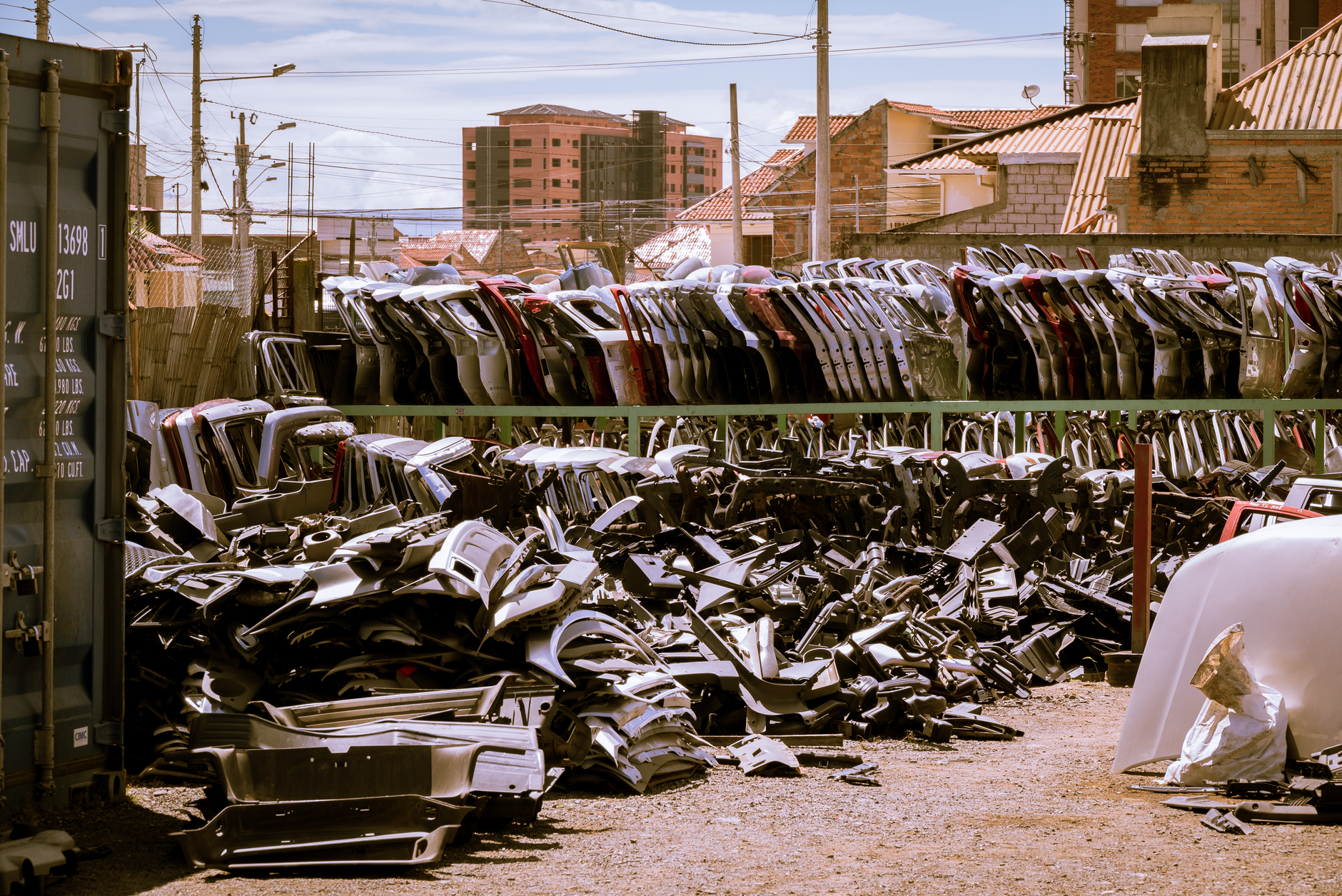
From America's new $25,000 electric truck to ongoing component shortages, the automotive and tech sectors face a rapidly shifting landscape.
The intersection of consumer transportation and personal technology has never been more complex. As global markets move deeper into the latter half of the decade, the industries responsible for putting vehicles on our roads and devices in our hands are grappling with a unique set of challenges. From the ethical dilemmas of resource extraction to the unpredictable variables of extreme weather and persistent component shortages, manufacturers and consumers alike are forced to adapt.
Recent reporting across the automotive and technology sectors highlights how these parallel industries are attempting to balance affordability with complex supply chain realities. Whether it is the introduction of aggressively priced electric vehicles, the ongoing debate over battery materials, or the shifting cost of consumer electronics, the market is undergoing a period of significant recalibration.
Redefining Automotive Affordability
For years, one of the primary hurdles to mass adoption of electric vehicles has been the initial purchase price. While early adopters have been willing to pay a premium for cutting-edge battery technology, the broader consumer base has consistently cited affordability as a barrier to entry. That dynamic is now shifting in a major way with the arrival of a highly anticipated new entrant in the utility vehicle segment.
According to recent reporting by InsideEVs, the much-discussed Slate Truck has officially arrived on the market. Priced at just $25,000, this new model currently stands as America’s cheapest electric vehicle. The introduction of a fully electric utility truck at a price point traditionally reserved for compact, entry-level internal combustion cars represents a significant milestone for the industry.
However, a low price tag does not automatically guarantee widespread market adoption. During a recent episode of the "Plugged-In Podcast," analysts from InsideEVs discussed the intricacies of the Slate Truck's pricing model and debated whether the vehicle can ultimately succeed in a highly competitive market. Success will likely depend on whether the manufacturer can sustain this $25,000 price point while delivering the range, reliability, and cargo capacity that truck buyers typically demand.
Extreme Weather and Vehicle Performance
While affordability dominates the conversation surrounding electric vehicle purchasing, operational realities dictate the ownership experience. It is a widely documented fact that electric vehicles suffer a reduction in driving range when the temperature drops, as batteries require optimal thermal conditions to operate efficiently. However, recent real-world testing highlights that hot weather presents its own distinct set of challenges for modern vehicles.
According to an evaluation by Autocar, extreme summer heat can significantly impact the daily utility of electric cars. During a severe heatwave featuring temperatures exceeding 34 degrees Celsius (roughly 93 degrees Fahrenheit), Autocar tested the performance and livability of a Renault 4. The testing revealed that the novelty of 30-degree-plus Celsius temperatures and fierce sunshine wears off very quickly for drivers.
While cold weather directly drains battery capacity, high heat forces a vehicle's thermal management systems to work overtime to keep both the battery pack and the passenger cabin cool. This continuous draw on the vehicle's electrical reserves can alter range expectations and require drivers to adapt their charging habits. As climate patterns continue to produce more frequent and intense heatwaves globally, understanding how vehicles like the Renault 4 cope under these thermal pressures will become increasingly crucial for both manufacturers and consumers.
The Shared Ethical Burden of Cobalt Mining
The transition to electric transportation is frequently framed as a necessary step toward environmental sustainability. However, this transition has also drawn intense scrutiny toward the global supply chains required to produce lithium-ion batteries. At the center of this scrutiny is cobalt, a mineral essential to the stability and energy density of many modern battery cells.
The ethical concerns surrounding cobalt extraction are severe, with mining operations—particularly in regions with limited labor oversight—frequently associated with child labor and dangerous working conditions. As a result, many automotive manufacturers are racing to develop and deploy cobalt-free battery chemistries.
However, reporting by Jalopnik points out a critical and often overlooked reality: the traditional petroleum industry is deeply reliant on the exact same supply chain. Cobalt is widely used as a catalyst in the refining process to remove sulfur from crude oil, a necessary step in the production of gasoline and diesel fuels.
According to Jalopnik, whether the electric vehicle industry goes cobalt-free before or after the gasoline and diesel industries is largely beside the point for the miners themselves. Simply eliminating cobalt from electric vehicle batteries will not remove child labor from the supply chain as long as internal combustion engines continue to rely on refined petroleum products. This shared reliance underscores the massive, cross-industry effort required to genuinely reform global resource extraction.
Navigating the Tech Component Crisis
The complex supply chains that dictate the availability of battery minerals are mirroring the disruptions seen in the broader technology hardware sector. Modern vehicles are heavily reliant on semiconductors, processors, and advanced displays, making the automotive industry inextricably linked to the consumer electronics market. Right now, that market is facing significant headwinds.
According to The Verge, an ongoing component crisis continues to make it a generally difficult time to purchase new computers and electronics. Supply chain bottlenecks, fluctuating material costs, and manufacturing delays have created a volatile pricing environment for consumers. This instability is clearly visible in the strategies of major industry players.
Apple, for instance, has recently implemented price hikes across its entire iPad and MacBook lineup. While the base MSRP of these devices has increased, The Verge notes that there is still a window of opportunity for consumers. Many retailers are currently attempting to clear out their existing inventory, selling these devices at their older, lower prices—or in some cases, offering steep discounts before the new pricing structure fully takes over the retail landscape.
Conversely, some hardware manufacturers are finding ways to pass unexpected savings down to the consumer despite the broader component crisis. Framework, a company known for its modular and highly repairable laptops, recently shared mixed news regarding its upcoming Framework Laptop 13 Pro.
While the company's CEO—who has notably referred to the device as the "MacBook Pro for Linux users"—acknowledged the severe challenges posed by the current component crisis, there was a silver lining for early adopters. According to The Verge, Framework announced that customers waiting on preorders for the Framework Laptop 13 Pro might actually see their devices cost less than initially expected, thanks to localized downward price adjustments for specific CPU and solid-state drive (SSD) components.
Looking Ahead
Whether analyzing the $25,000 Slate Truck, evaluating a Renault 4 in a 34-degree heatwave, or navigating Apple's hardware price hikes, a unified theme emerges: adaptability is currently the most valuable currency in the manufacturing sector.
Consumers must navigate a landscape where environmental extremes challenge vehicle performance, while shifting supply chains dictate both the ethical footprint and the final retail price of the goods they rely on daily. As automakers and tech giants continue to respond to these intertwined challenges, transparency and component flexibility will likely separate the industry leaders from those left behind.
Key Takeaways
- The new electric Slate Truck has debuted at $25,000, making it the cheapest EV in America and fundamentally challenging market expectations for utility vehicle pricing.
- While EVs are known to lose range in cold weather, Autocar testing of a Renault 4 in 34-degree Celsius heat demonstrates that intense summer weather also presents significant operational challenges.
- Cobalt mining, frequently criticized for its ties to child labor, is heavily utilized by both the EV battery industry and the traditional gasoline and diesel refining sectors.
- An ongoing component crisis is driving up costs for major tech hardware, resulting in Apple price hikes across its iPad and MacBook lines, though some modular builders like Framework have managed to reduce specific component costs.
Frequently asked questions
What is currently the cheapest electric vehicle in America?
According to reporting by InsideEVs, the newly released Slate Truck is currently the most affordable electric vehicle in the American market, priced at $25,000.
Does hot weather affect electric vehicle performance?
Yes. While cold weather is well known for reducing battery range, extreme heat forces a vehicle's thermal management systems to work harder to cool the cabin and battery. Autocar recently tested a Renault 4 in 34-degree Celsius heat, noting that extreme sunshine and high temperatures present real challenges for EV operation.
Why is the cobalt mining debate not just an electric vehicle issue?
Reporting by Jalopnik highlights that cobalt is used extensively as a catalyst to refine crude oil into gasoline and diesel. Therefore, even if the EV industry completely transitions to cobalt-free batteries, the ethical issues surrounding cobalt mining—such as child labor—will persist as long as combustion engines require refined petroleum.
- 01Autocar: Electric car vs heatwave: Can my Renault 4 cope in 34 degrees?
- 02InsideEVs: PODCAST: The $25K Slate Truck Is Here. What's Next?
- 03Jalopnik: If You Hate Cobalt Mining, I Have Terrible News About How Gasoline And Diesel Are Made
- 04The Verge: You won’t have long to get these iPad deals before Apple’s price hike
This editorial article was written by US News Desk's editorial desk using current reporting from the publishers above. All facts were grounded against these sources.