Lexus LC Retires as Tech and EV Markets Face 2026 Shifts
As automakers retire legacy sports cars and tech giants adjust pricing, consumers face a shifting landscape of hardware and EV challenges.
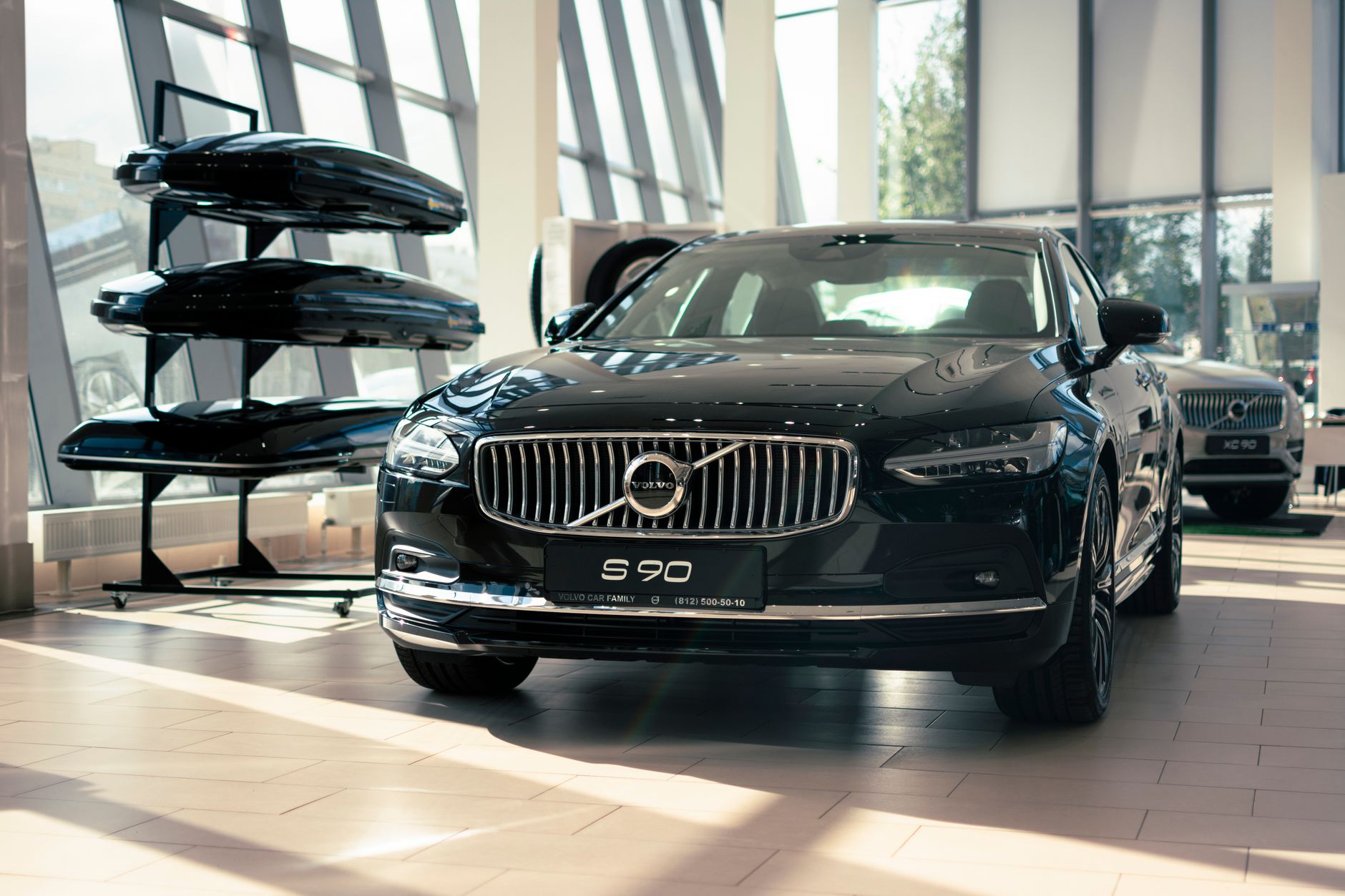
As automakers retire legacy sports cars and tech giants adjust pricing, consumers face a shifting landscape of hardware and electric vehicle challenges in 2026.
The End of the Road for Modern Classics
The automotive landscape is undergoing a substantial transformation as manufacturers reallocate resources and streamline their portfolios. For enthusiasts, this transition often means saying goodbye to celebrated nameplates. According to Car and Driver reporting, several notable vehicles are officially dead for the 2027 model year.
The discontinuation list is heavy on sports cars and grand tourers. Most prominently, the industry is preparing to pour one out for the BMW Z4, the Toyota GR Supra, and the Lexus LC. The departure of these vehicles underscores a broader shift in the market. As automakers pivot heavily toward electrification and high-volume utility vehicles, niche sports cars with dedicated combustion engine platforms are increasingly difficult to justify on a corporate balance sheet.
The Lexus LC, long praised for its striking concept-car design and premium grand-touring capabilities, will leave a distinct void in the luxury coupe segment. Similarly, the sunsetting of the Toyota GR Supra and its platform-sharing sibling, the BMW Z4, signals the end of an important collaborative chapter between the two automakers.
Electric Vehicles Face the Summer Heat
As legacy combustion vehicles exit the stage, electric vehicles are becoming the primary focus for manufacturers and consumers alike. However, the mass adoption of EVs brings new operational realities to light, particularly regarding extreme weather conditions.
It is a well-documented fact that electric vehicles suffer a noticeable reduction in driving range when temperatures drop, as cold weather hinders battery chemistry and requires energy-intensive cabin heating. However, summer heatwaves present their own unique challenges. According to Autocar, hot weather is not all good news for battery-powered cars.
During recent summer testing in blistering 34-degree Celsius conditions, reporters evaluated how vehicles like the Renault 4 cope with a severe heatwave. As temperatures consistently climb past the 30-degree Celsius mark, the initial novelty of fearsome sunshine quickly wears off for drivers. In these extremes, a vehicle's thermal management system must work aggressively to keep the high-voltage battery pack from overheating. Simultaneously, the climate control system draws substantial power to keep the passenger cabin comfortably cool. This dual draw on the battery pack can lead to unexpected range depletion, reminding consumers that electric vehicles operate most efficiently in temperate climates.
Navigating the Ongoing Component Crisis
The automotive industry is not the only sector grappling with manufacturing and supply chain hurdles. The consumer electronics market continues to navigate a persistent component crisis that makes it a challenging time for buyers looking to upgrade their personal computers.
Despite these headwinds, there are occasional bright spots for niche hardware developers. The Verge recently reported on mixed news surrounding Framework, a company known for designing highly repairable and modular computers. Waitlists and preorders have been a standard reality for the brand's customers. However, the company shared a positive update regarding the Framework Laptop 13 Pro—a device that the company's CEO has boldly dubbed the "MacBook Pro for Linux users."
Consumers waiting on a preorder for the Framework Laptop 13 Pro received news that their final build might actually cost less than initially anticipated. This rare price reduction is tied to shifting costs in the supply chain, specifically regarding components like CPUs and solid-state drives. While the broader component crisis continues to disrupt global production timelines, targeted cost savings on specific parts can still offer relief to early adopters.
Apple Price Hikes and Retailer Inventory
In stark contrast to Framework's potential price drops, major tech conglomerates are adjusting their hardware pricing upward. According to The Verge, Apple has officially raised prices across its entire iPad and MacBook lineup.
Price hikes from industry leaders typically signal increased costs in manufacturing, logistics, or raw materials. For consumers in the market for a new Apple tablet or laptop, this sudden increase requires a strategic approach to purchasing. The good news is that the broader retail ecosystem does not adopt manufacturer price increases uniformly overnight.
Many third-party retailers and big-box stores are currently sitting on existing inventory acquired before the price hike took effect. As a result, they are still selling iPads and MacBooks at the old prices, and in some cases, offering them for far less to clear out stock. Consumers who act quickly can still secure some of the best iPad deals before the new, higher pricing structure becomes unavoidable across all retail channels.
Maximizing Value During Retail Events
This pricing volatility coincides with major seasonal retail events, which have expanded in scope and duration to capture consumer spending. Amazon's Prime Day, for instance, has evolved into a four-day promotional event in 2026.
Navigating these multi-day sales requires patience and a discerning eye. According to coverage from The Verge, day two of the Prime Day event looked remarkably similar to day one. Rather than being a disappointment, this continuity is actually beneficial for shoppers. Many of the most attractive tech deals remain available well into the second day, providing consumers with a wider window to research their purchases and secure aging retail inventory before price hikes take hold. Furthermore, the existing deals are frequently supplemented by new discounts as the event progresses.
The Intersection of Automotive and Consumer Tech
The parallel challenges faced by automakers and computer manufacturers highlight the deeply interconnected nature of modern manufacturing. The same component crisis that makes it a difficult time to want a new computer also places immense pressure on the automotive sector.
Modern vehicles, whether they are high-performance combustion sports cars like the Toyota GR Supra or electric commuters like the Renault 4, are highly advanced machines dependent on microchips. They rely on complex microprocessors for everything from thermal battery management in a 34-degree heatwave to the digital gauge clusters that dominate their dashboards. When supply chains tighten, companies are forced to make difficult resource decisions.
For automakers, this often accelerates the discontinuation of lower-volume sports cars like the Lexus LC and BMW Z4 in favor of prioritizing high-demand consumer vehicles. For technology companies, it forces pricing adjustments—ranging from Apple’s across-the-board price hikes on MacBooks to Framework’s agile cost adjustments on individual laptop components. Ultimately, consumers across both sectors must stay informed and remain adaptable as global supply chains dictate product availability and pricing.
Key Takeaways
- Several iconic sports cars, including the Lexus LC, BMW Z4, and Toyota GR Supra, are officially discontinued for the 2027 model year.
- Electric vehicles like the Renault 4 experience noticeable range reduction during severe summer heatwaves as battery cooling and cabin air conditioning draw heavy power.
- Apple has raised prices across its iPad and MacBook lineups, but consumers can still find deals by targeting older inventory at third-party retailers.
Frequently asked questions
Which major sports cars are being discontinued for 2027?
According to Car and Driver, the automotive industry is retiring several notable vehicles for the 2027 model year, including the Lexus LC, the BMW Z4, and the Toyota GR Supra.
Does hot weather affect electric vehicle range?
Yes. While cold weather is well known for reducing EV range, extreme heatwaves also impact performance. Testing on vehicles like the Renault 4 shows that temperatures above 30 degrees Celsius force the battery's thermal management and cabin climate control to work aggressively, which drains the battery.
Why are Apple iPad and MacBook prices increasing?
Apple has raised prices across its laptop and tablet lineups, reflecting broader economic and supply chain pressures. However, retailers with existing stock are often still selling devices at the older, lower prices.
- 01The Verge: The top tech Prime Day deals to shop on day two
- 02Autocar: Electric car vs heatwave: Can my Renault 4 cope in 34 degrees?
- 03Car and Driver: These Vehicles Are Dead for 2027
This editorial article was written by US News Desk's editorial desk using current reporting from the publishers above. All facts were grounded against these sources.