Manufacturing Quality and Executive Volatility Plague Automakers
Recent admissions regarding the quality of US-built vehicles and unusual shareholder demands highlight ongoing challenges at major automakers.
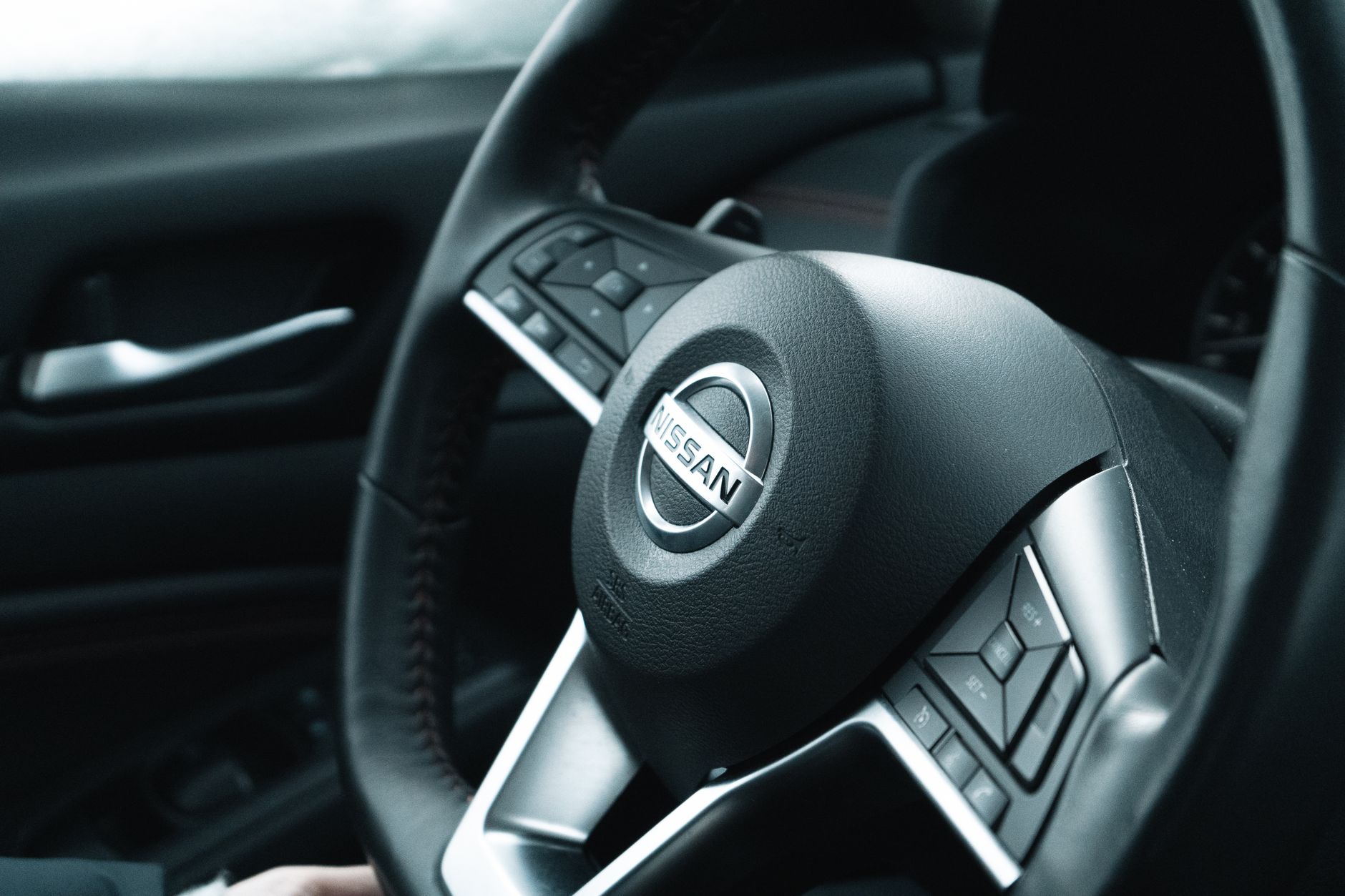
Recent admissions regarding the quality of US-built vehicles and unusual shareholder demands highlight ongoing challenges at major automakers.
Manufacturing Standards and the Quality Divide
In a highly globalized automotive industry, the assumption is often that a brand's vehicles will maintain identical standards regardless of where they are assembled. However, recent disclosures from major automakers have challenged this notion. According to reporting by Motor1, both Toyota and Nissan have admitted that their American-made vehicles do not consistently meet the stringent quality standards expected in Japan.
This acknowledgment sheds light on the complex realities of international vehicle production. For years, manufacturers have expanded their factory footprints into the United States to be closer to American consumers and navigate complex import tariffs. Yet, when these US-built models are exported back to Japan or evaluated alongside domestic counterparts, the differences become glaringly apparent to local buyers.
Motor1 details that Japanese consumers are simply not accustomed to purchasing new cars that exhibit manufacturing imperfections. Specifically, buyers have flagged manufacturing issues such as:
- Thin paint applications
- Uneven panel gaps
- Leftover manufacturing residue
These defects point to potential differences in factory-level quality assurance protocols, final inspection rigors, and potentially the pacing of the assembly lines themselves. For consumers outside the US looking to purchase imported American models, these admissions serve as a cautionary note about the variability of global manufacturing and the ongoing struggle to harmonize build quality across continents.
Lingering Leadership Controversies at Nissan
While manufacturing discrepancies pose a logistical challenge on the factory floor, Nissan is simultaneously dealing with echoes of past leadership controversies on the corporate stage. Managing a multinational automaker requires steady governance, yet recent shareholder interactions suggest that the company's tumultuous past is not entirely in the rearview mirror.
According to Road & Track, a recent meeting between shareholders and Nissan's current chief executive officer took a surprising turn when an investor formally suggested re-appointing former boss Carlos Ghosn as CEO. This request is highly unorthodox given the dramatic circumstances surrounding Ghosn's departure from the company and the country.
The former automotive executive remains an international fugitive after he famously escaped Japanese custody in late 2019. As Road & Track notes, Ghosn was allegedly smuggled out of a hotel hidden inside a case to evade authorities. Despite the logistical and legal impossibility of his return to the helm of the company, the fact that shareholders are openly floating his name during official meetings highlights the deep operational impact of his tenure. It underscores a persistent friction between current management strategies and the aggressive expansion tactics characterized by the Ghosn era.
Navigating the Future: Autonomous Vehicles and Aviation
The challenges facing the transportation sector extend far beyond the assembly of traditional consumer trucks and sedans. As the industry attempts to pivot toward futuristic mobility solutions, companies are encountering steep regulatory and competitive hurdles.
The race to commercialize autonomous vehicles, for instance, is yielding uneven results globally. According to TechCrunch Mobility, a specialized hub dedicated to tracking the future of transportation, a newly released robotaxi scorecard illustrates a shifting balance of power in the sector. The data highlights China’s current dominance in the development and deployment of robotaxis. This rapid advancement by Chinese firms places pressure on US and European developers who are trying to scale their own self-driving vehicle networks amid differing regulatory environments and public scrutiny.
Simultaneously, the push to revolutionize urban transit through electric aviation is facing significant legal obstacles. Writing for The Verge’s weekly newsletter "The Stepback," Andrew J. Hawkins reports that electric air taxis are currently stuck in the courtroom. Rather than taking to the skies to bypass ground-level traffic, the companies developing these next-generation aerial vehicles are bogged down by lawsuits. While aviation enthusiasts eagerly anticipate breakthroughs—ranging from the deployment of commercial air taxis to improving Wi-Fi speeds at 30,000 feet—the reality of moving these technologies from concept to commercial reality remains mired in legal and regulatory friction.
Corporate Structure and the Push for Design Excellence
The struggle to maintain product excellence while navigating internal executive shifts is not unique to legacy automakers like Nissan and Toyota. The wider consumer technology sector is also actively recalibrating its internal structures to ensure product quality does not slip.
According to Bloomberg’s Mark Gurman, as reported by 9to5Mac, major corporate restructuring is anticipated at Apple to refocus the company on its foundational design principles. Gurman’s newsletter outlines that executive John Ternus is set to re-establish the importance of Apple’s design team when he eventually takes over as CEO.
This marks a significant pivot from the corporate dynamics of the past decade. During the Tim Cook era, the executive-level influence of Apple's famed design team waned. This shift was fueled by the high-profile exit of Jony Ive and a wave of subsequent talent departures. As the design team's influence diminished, executives overseeing finance and operations gained increased prominence. Much like Nissan and Toyota acknowledging the need to tighten factory tolerances and close panel gaps to maintain their reputations, Apple's impending structural shift underscores a broader corporate recognition that prioritizing operations over core design can ultimately impact the final consumer product.
Key Takeaways
- Toyota and Nissan have admitted that their US-made vehicles suffer from quality issues like thin paint and panel gaps compared to Japanese domestic models.
- A Nissan shareholder recently suggested re-appointing international fugitive Carlos Ghosn as CEO, underscoring lingering corporate tensions.
- The broader mobility sector faces hurdles, with Chinese firms dominating the robotaxi market and US electric air taxi startups entangled in lawsuits.
Frequently asked questions
Why are Japanese consumers unhappy with American-made vehicles?
According to recent admissions by Toyota and Nissan, US-built models have been found to contain defects such as thin paint, uneven panel gaps, and manufacturing residue that fail to meet strict Japanese domestic standards.
Who is Carlos Ghosn?
Carlos Ghosn is the former boss of Nissan who famously escaped Japanese custody in late 2019, allegedly being smuggled out of a hotel inside a case to evade authorities.
What is stalling the deployment of electric air taxis?
Electric air taxi startups are currently facing legal hurdles and are stuck in the courtroom facing ongoing lawsuits, which is delaying their commercial rollout.
- 01Road & Track: Nissan Shareholder Suggests to Re-Appoint Carlos Ghosn As CEO During Meeting With Current CEO
- 02Motor1: Toyota And Nissan Admit Their American-Made Vehicles Aren't Up To Japanese Standards
- 03The Verge: Electric air taxis are stuck in the courtroom
- 049to5Mac: John Ternus set to re-establish importance of Apple’s design team when he takes over as CEO: report
- 05TechCrunch: TechCrunch Mobility: A new robotaxi scorecard shows China’s dominance
This editorial article was written by US News Desk's editorial desk using current reporting from the publishers above. All facts were grounded against these sources.