Market Shifts: Polestar’s US Ban, Tech Layoffs, and Auto Legacies
From unexpected automotive sales bans in the United States to major workforce reductions in tech, industries face rapid and unpredictable changes.
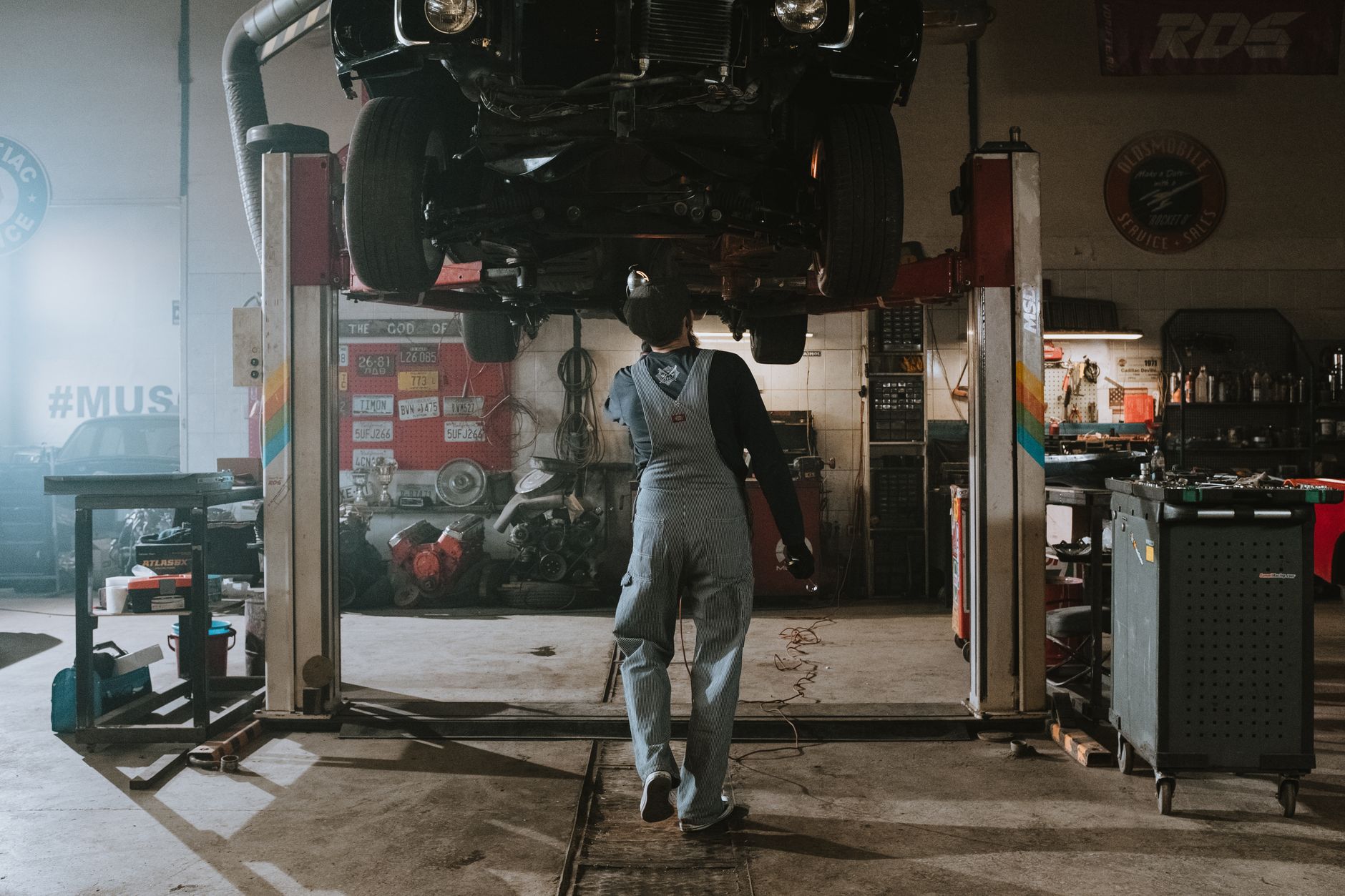
From sudden automotive sales bans in the United States to major workforce reductions in the tech sector, industries are facing unpredictable transformations.
The Ripple Effects of Automotive Bans
While international trade discussions often dominate the daily news cycle, the automotive industry is currently navigating its own severe regulatory hurdles. According to Motor1, the electric vehicle landscape recently experienced a significant disruption after Polestar was banned from selling cars in the United States.
Market exclusions of this magnitude drastically alter consumer dynamics, forcing manufacturers to hastily recalibrate their sales strategies and manage excess inventory. For buyers who are still able to navigate the market, however, these regulatory roadblocks can sometimes result in staggering financial incentives. Motor1 reports that in response to the US sales ban, a massive discount is currently available on the new Polestar 4.
To illustrate the sheer scale of this price reduction, the publication notes that buyers can essentially score the financial equivalent of an entire Toyota Corolla off the sticker price of a new Polestar 4. This highly aggressive pricing strategy underscores the intense financial pressure automakers face when they are abruptly locked out of key consumer markets, demonstrating how geopolitical and regulatory shifts directly impact the wallets of everyday car buyers.
Workforce Reductions in the Technology Sector
As the automotive sector grapples with sales bans and heavy discounting, the global technology industry is undergoing a painful period of contraction. According to TechCrunch, Microsoft initiated a sweeping round of corporate layoffs on Monday, cutting nearly 5,000 employees.
The restructuring efforts provide a sobering look at the current state of the tech labor market:
- Total role eliminations: The company cut around 4,800 specific roles.
- Global impact: This reduction represents roughly 2.1 percent of Microsoft's entire global workforce.
- Affected divisions: The layoffs will hit the Xbox gaming division and the commercial sales departments the hardest.
TechCrunch notes that this is simply the latest in a larger series of ongoing layoffs across the technology sector. Crucially, these continuous workforce reductions are stoking deep fears among employees about the potential for advanced software tools and emerging technologies to permanently replace human jobs. As companies aggressively pivot toward efficiency and automation, the human cost is becoming increasingly visible in divisions that were once considered reliable growth engines, such as interactive entertainment and commercial software distribution.
Automotive Heritage and Cultural Legacy
While modern automakers like Polestar navigate present-day bans, the broader automotive enthusiast community continues to find immense value in the industry's history. Retrospectives provide a vital window into how consumer tastes, vehicle footprints, and design philosophies have evolved over the decades.
According to Car and Driver, an archival comparison test from 1997 recently resurfaced, offering a detailed look back at the dominant full-size SUVs of the late 1990s. The retrospective gallery features comprehensive interior and exterior photographs from every conceivable angle, highlighting three defining vehicles of the era:
- The 1996 Chevrolet Suburban K1500LS
- The Chevrolet Tahoe LS
- The 1997 Ford Expedition XLT
These vehicles represent a specific zenith of American automotive manufacturing, far removed from the complex regulatory and technological challenges characterizing today's electric vehicle market.
Beyond practical consumer trends, vehicles have also cemented a unique place in popular culture, particularly in the realm of infamy. According to Autocar, the enduring appeal of the getaway car continues to capture the public imagination. The publication recently curated a list of the best getaway cars ever made, detailing the greatest heist vehicles utilized for a quick escape by both fictional characters and real-life criminals, including the notorious Auto Bandits. Whether examining the family-hauling practicality of a 1990s SUV or the high-speed performance required for a criminal getaway, these historical perspectives offer a fascinating contrast to the highly regulated modern automotive landscape.
A Broader Perspective on Planetary Survival
Amidst a relentless daily news cycle dominated by corporate layoffs, international trade bans, and shifting market dynamics, it is occasionally necessary to step back and examine the ultimate long-term picture. While individual industries and national economies fluctuate wildly, the fundamental stability of our planet offers a rare piece of unequivocally good news.
According to a new study highlighted by Wired, the Earth's long-term future might be more secure than scientists previously believed. Astronomers have long theorized about the eventual, inevitable demise of our solar system. However, recent scientific findings suggest that when our sun finally becomes unstable in approximately 5 billion years or so, the Earth may actually avoid being engulfed.
This fiery demise has long been considered an unavoidable conclusion for our planet, but the latest data indicates Earth might survive the sun's volatile transition. This cosmic reassurance serves as a humbling reminder that while our current economic and technological challenges—from US vehicle market bans to widespread tech sector workforce reductions—are intensely significant today, they are but a fleeting moment in the grander timeline of the globe.
Navigating an Era of Unpredictability
The confluence of these disparate events—ranging from sudden vehicle market exclusions to widespread corporate downsizing—paints a picture of an extraordinarily volatile modern economy. For consumers, the whiplash of seeing a brand banned in the United States one day, only to offer unprecedented discounts the next, requires a high degree of adaptability. The Polestar 4's massive price reduction is a prime example of how regulatory hurdles can inadvertently create narrow windows of opportunity for savvy buyers.
Simultaneously, the workforce reductions at technology stalwarts like Microsoft serve as a critical warning sign for the labor market. When nearly 5,000 employees are dismissed across vital divisions like Xbox and commercial sales, it signals a fundamental restructuring of corporate priorities. As workers face the anxiety of new automated systems replacing traditional roles, the need for continuous skill development and industry agility has never been more apparent.
Ultimately, whether we are looking backward at the legacy of 1997's full-size SUVs, analyzing the immediate fallout of a US auto sales ban, or looking 5 billion years into the future at the survival of the Earth, the prevailing theme is adaptation. Industries, consumer habits, and even celestial bodies are bound by a constant state of transition, requiring both individuals and massive corporations to perpetually brace for the next major shift.
Key Takeaways
- Polestar has been banned from selling cars in the United States, prompting massive consumer discounts on the Polestar 4.
- Microsoft eliminated approximately 4,800 roles, representing 2.1 percent of its global workforce, heavily impacting Xbox and commercial sales.
- Fears surrounding advanced technologies replacing human jobs continue to grow amidst widespread tech sector layoffs.
- A new scientific study suggests the Earth may avoid being swallowed by the sun when the star becomes unstable in 5 billion years.
Frequently asked questions
Why is there a massive discount on the Polestar 4?
According to Motor1, after being banned from selling cars in the United States, Polestar is offering a massive discount on the Polestar 4 that is equivalent in savings to the price of an entire Toyota Corolla.
How many employees did Microsoft lay off?
TechCrunch reports that Microsoft laid off nearly 5,000 employees. Specifically, around 4,800 roles were cut, making up 2.1 percent of the company's global workforce.
Which Microsoft departments were affected the most by the recent layoffs?
The recent workforce reductions at Microsoft hit the Xbox division and the commercial sales departments the hardest.
Will the sun eventually swallow the Earth?
A new study featured by Wired suggests that when the sun becomes unstable in approximately 5 billion years, the Earth may actually avoid being engulfed.
- 01Car and Driver: View Photos of the 1997 Full Size SUV Comparison Test
- 02Motor1: Would A Massive Discount Entice You To Buy A Polestar 4?
- 03Autocar: The best getaway cars ever made
- 04Wired: Good News! Turns Out the Earth Will Never Be Swallowed by the Sun
- 05TechCrunch: Microsoft lays off nearly 5,000 employees across Xbox, commercial sales
This editorial article was written by US News Desk's editorial desk using current reporting from the publishers above. All facts were grounded against these sources.