Navigating Tesla's Evolving Landscape: California Taxes and Supply Chains
From a groundbreaking software tax in California to shifting global supply chains, the electric vehicle industry faces a complex road ahead.
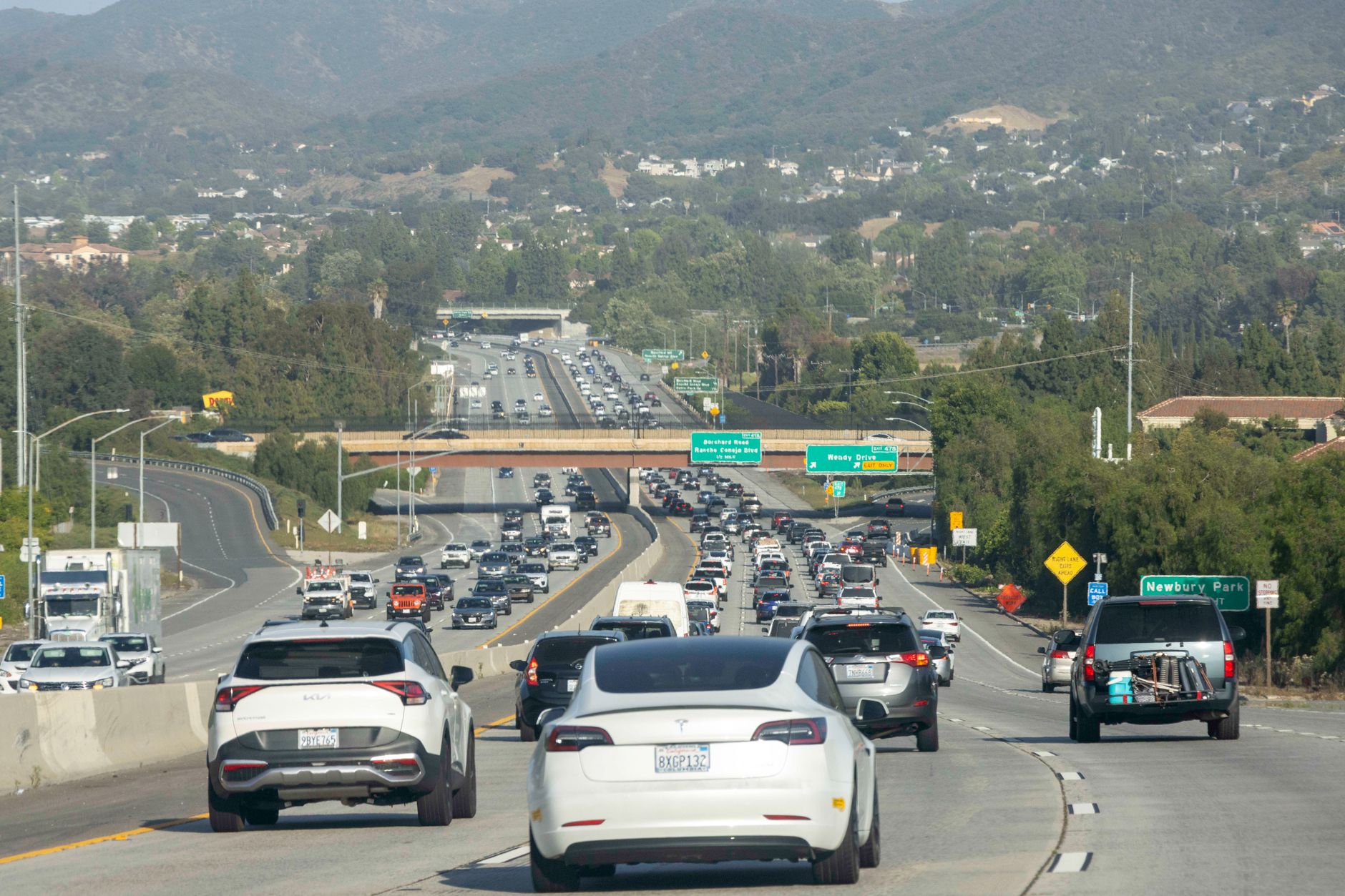
From a groundbreaking software tax in California to shifting global supply chains, the electric vehicle industry faces a complex road ahead.
The Dawn of Software Taxation for Vehicles
California Governor Gavin Newsom and top Democratic legislators recently agreed on a sweeping $351.7 billion state budget. According to reporting from The Next Web, a major component of this legislative deal involves extending the state's sales tax to prewritten software downloaded directly from the web, marking the first time California has implemented such a tax. For the automotive industry, and specifically for electric vehicle manufacturers like Tesla, this shift carries massive implications.
Modern vehicles are increasingly defined not just by their physical hardware, but by their digital capabilities. Automakers rely heavily on over-the-air software updates and premium downloadable features to enhance vehicle performance long after the initial sale. TechCrunch notes that within the mobility sector, all eyes are currently focused on the future of transportation and, more specifically, Tesla's Full Self-Driving capabilities.
Historically, consumers purchasing software upgrades after their initial vehicle purchase navigated a grey area regarding digital goods taxation. With this new budget in place, a California resident downloading a highly anticipated update will be subject to state sales tax.
For manufacturers selling smart vehicles, the passage of this $351.7 billion budget introduces several structural realities that executives and consumers alike must navigate:
- The definitive extension of standard state sales taxes to all prewritten, web-downloaded software.
- An immediate increase in the end-user cost for digital vehicle enhancements purchased post-delivery.
- A modernized regulatory framework that other global economies may use as a template for taxing the digital automotive sector.
As the world's fifth-largest economy, regulatory and tax changes in California frequently inspire similar policies across the United States and globally, meaning international tech and auto executives will be monitoring the implementation of this downloaded software tax closely.
Shifting Financial Tides and Market Valuations
While automakers navigate new state-level tax burdens, they must also contend with rapid shifts in global market valuations. The broader technology and hardware landscape is experiencing unprecedented volatility, changing the hierarchy of the world’s most valuable companies.
According to The Next Web, Micron Technology recently experienced a massive financial surge, briefly surpassing both Meta and Tesla in total market valuation. Following a series of blockbuster third-quarter earnings reports, Micron closed a recent week at roughly $1.27 trillion in market value. The company's stock skyrocketed, jumping over 236 percent in just one month to reach $1,132 a share. This represents a monumental shift for a company that, prior to mid-2025, spent years trading below $100 per share.
This rapid realignment of market capitalization illustrates the intense competition for investor capital. As companies like Tesla continue to develop computing-heavy solutions for transportation, they are increasingly measured against traditional semiconductor and computing hardware giants. When a company that supplies core memory and computing components surpasses an established automotive tech hybrid like Tesla, it signals a broader market pivot toward foundational digital infrastructure. For automotive manufacturers, this means the pressure to deliver highly profitable software and automated driving features is higher than ever, as they must prove their long-term value against skyrocketing hardware firms.
The Enduring Reality of Automotive Supply Chains
Despite the intense focus on digital software and high-flying market valuations, the automotive industry remains firmly tethered to physical supply chains and raw materials. One of the most fiercely debated topics in the transition to electric vehicles is the sourcing of cobalt, a key mineral traditionally used in battery production.
The narrative surrounding cobalt is heavily layered. As Jalopnik reports, the moral complexities of cobalt mining—specifically the reliance on child labor in certain global regions—extend far beyond electric vehicles. There is a common misconception that abandoning electric vehicles would solve the cobalt mining crisis. In reality, the refining processes for traditional gasoline and diesel fuels also require cobalt to remove sulfur.
Jalopnik highlights that whether the electric vehicle industry manages to go completely cobalt-free before the gas and diesel industries, or vice versa, neither timeline will immediately get children out of the cobalt mines. The deeply entrenched reliance on this mineral across multiple energy sectors means that shifting away from one type of vehicle does not instantly sever the global supply chain's dependence on compromised labor. This underscores a vital reality for manufacturers like Tesla and their legacy automotive competitors: technological innovation at the vehicle level does not automatically translate to immediate reform at the foundational levels of raw material extraction.
The Premium Cost of a Connected Lifestyle
The changing landscape of vehicle ownership mirrors broader trends across the entire technology and entertainment spectrum. As vehicles become advanced digital hubs, consumers are encountering a steady rise in the cost of premium, ad-free, and seamlessly connected experiences.
According to tech industry coverage from The Verge, ad-free streaming is now widely considered a luxury. This marks a stark departure from the industry's early days when streaming platforms were championed as a cost-effective reprieve from expensive cable subscriptions. This observation highlights a growing consumer fatigue with subscription models and digital upcharges.
This trend is highly relevant to the automotive space. Just as consumers once paid a flat fee for television and are now navigating tiered subscription services, modern car buyers are facing a future where key vehicle features are locked behind ongoing subscriptions. When combined with California's new tax on downloaded software, the financial burden of accessing premium digital features continues to grow. Whether paying for uninterrupted entertainment in the living room or unlocking Full Self-Driving enhancements on the highway, the era of frictionless, low-cost digital upgrades is giving way to a heavily monetized and tightly regulated ecosystem.
Key Takeaways
- California's newly approved $351.7 billion budget introduces a sales tax on downloaded software, directly impacting post-purchase vehicle upgrades like Tesla's Full Self-Driving.
- Despite intense scrutiny on electric vehicle battery materials, reliance on controversial cobalt mining remains deeply entrenched across both the EV and traditional gas and diesel refining sectors.
- Competition for market dominance is fierce, highlighted by hardware manufacturer Micron Technology briefly surpassing Tesla and Meta to reach a $1.27 trillion valuation.
Frequently asked questions
Will I have to pay taxes on vehicle software updates in California?
Yes. Under the new $351.7 billion state budget agreed upon by Governor Gavin Newsom and Democratic legislators, sales tax now applies to prewritten software downloaded from the web, which includes premium vehicle software upgrades.
Why is cobalt mining relevant to both electric and gas-powered vehicles?
While electric vehicles use cobalt in battery production, the traditional gasoline and diesel refining industries also rely on cobalt to remove sulfur from their fuels, making it an industry-wide supply chain issue that affects both sectors.
What company recently surpassed Tesla in market valuation?
Micron Technology briefly surpassed both Tesla and Meta in market value, reaching a valuation of roughly $1.27 trillion after its stock price surged over 236 percent in a single month following strong third-quarter earnings.
- 01Jalopnik: If You Hate Cobalt Mining, I Have Terrible News About How Gasoline And Diesel Are Made
- 02The Verge: Ad-free streaming is a luxury now
- 03The Next Web: California will tax downloaded software for the first time as part of a $351.7 billion budget deal
- 04TechCrunch: TechCrunch Mobility: All eyes on Tesla FSD
This editorial article was written by US News Desk's editorial desk using current reporting from the publishers above. All facts were grounded against these sources.