Navigating the Changing Auto Market: Hybrids, Combustion, and Consumer Deals
*From the revival of the Honda Element as a hybrid to Porsche's commitment to combustion engines, the auto market is rapidly diversifying.*
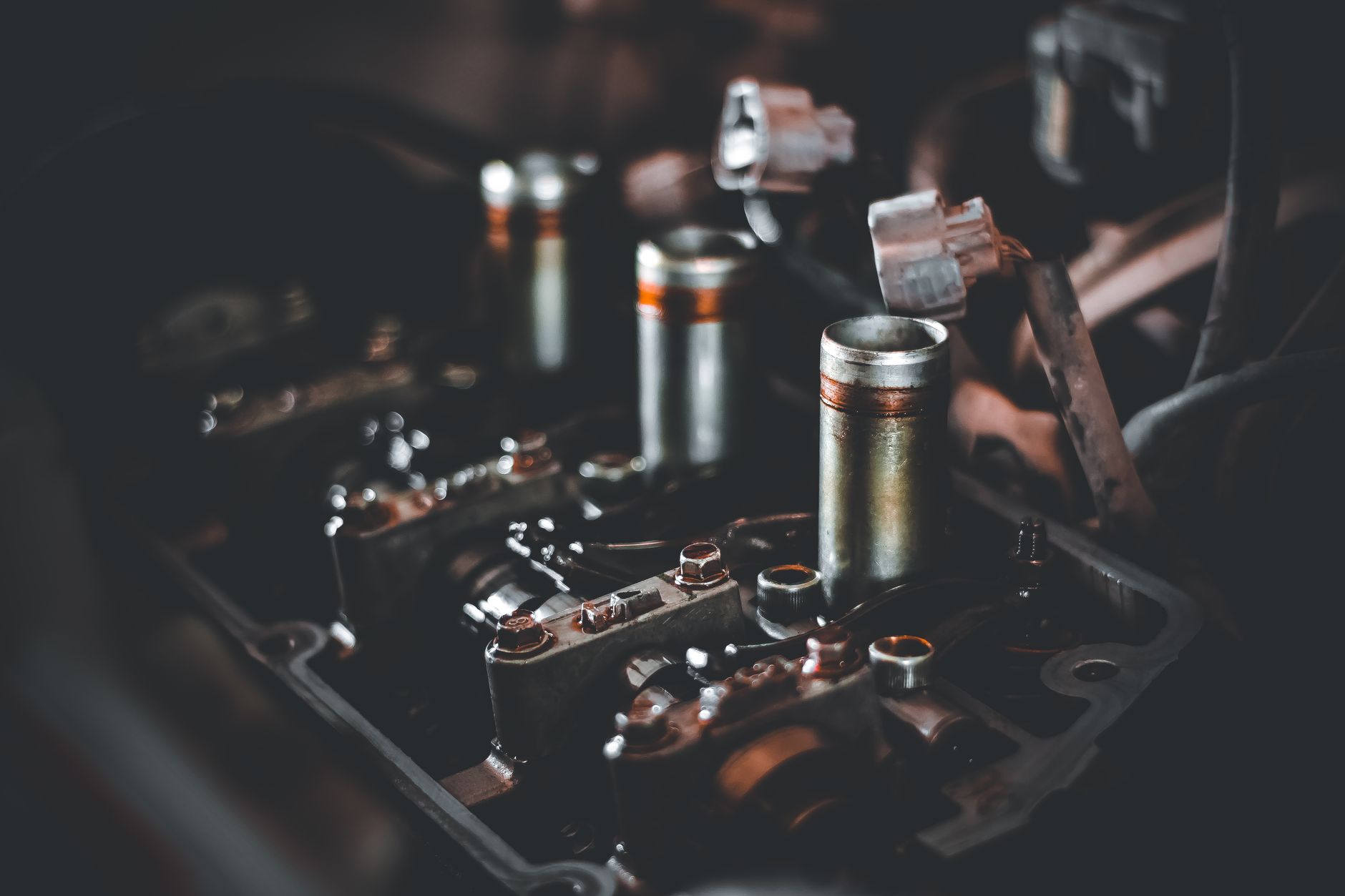
From the revival of the Honda Element as a hybrid to Porsche's commitment to combustion engines, the auto market is rapidly diversifying.
The automotive industry is currently undergoing a period of significant and rapid transformation, carefully balancing the industry-wide push for modern electrification with the enduring consumer appeal of classic combustion engines. For everyday car buyers and automotive enthusiasts in the United States and abroad, the market is offering a wider, more complex array of choices than ever before. Recent developments reported across the mainstream automotive press highlight a rapidly shifting landscape. Today, legacy sports cars, revived utility vehicles, entirely new pickup truck models, and unique retail partnership discounts are all fiercely competing for buyer attention and market share.
Understanding these underlying market dynamics is absolutely essential for anyone looking to purchase or lease a new vehicle in the coming years. Whether a buyer is navigating the practical transition to hybrid technology, waiting for the latest rugged crossover, or simply seeking out the best financial incentives available through wholesale club memberships, staying deeply informed on the latest manufacturer strategies provides highly valuable practical context.
The Resurgence of the Adventure Crossover
According to recent reporting from The Drive, the beloved and quirky Honda Element is officially making a highly anticipated comeback. Slated for production in 2029, the reimagined Element will arrive as a US-built hybrid crossover. This strategic move signals a concerted effort by Honda to capture the attention of adventure-minded buyers who prioritize both off-road utility and modern fuel efficiency.
Historically, the Element was known for its distinct, boxy silhouette, wipe-down floors, and highly functional interior space. As reported by Motor1, the upcoming revival will likely maintain that fundamental utilitarian spirit while modernizing its powertrain to feature advanced hybrid technology. Furthermore, The Drive notes that Honda is directly targeting a specific, highly lucrative market segment, aiming to steal sales from established off-road-oriented models like the Ford Bronco Sport.
For vehicle buyers inside and outside the United States, the reintroduction of a US-built hybrid crossover emphasizes a growing consumer demand for versatile, multi-purpose vehicles. Hybrid powertrains offer a crucial and practical bridge between traditional internal combustion engines and fully electric platforms. They provide the extended driving range necessary for long outdoor excursions, camping trips, and highway driving without the immediate reliance on public charging infrastructure, making them an ideal fit for the adventure lifestyle that Honda is deliberately targeting.
Porsche and the Preservation of Combustion
While a significant portion of the global automotive industry is transitioning entirely to electric vehicles to meet regulatory demands, some legacy performance brands are drawing a hard line when it comes to their most iconic models. Motor1 reports that Porsche has made its corporate stance explicitly clear regarding its flagship sports car: there will never be a fully electric Porsche 911.
Despite this definitive public statement on the 911, the German manufacturer's broader corporate investments in electric vehicles will continue unabated across its other product lines, such as its luxury sedans and popular SUVs. The firm decision to keep the combustion engine forever in the 911 highlights the ongoing tension between aggressive global carbon emissions goals and the mechanical heritage of traditional high-performance driving.
For automotive purists and global racing enthusiasts, the internal combustion engine remains central to the core identity and emotional appeal of the 911. By strictly committing to combustion for this specific model, Porsche is purposefully catering to a dedicated demographic that values traditional engine dynamics, authentic exhaust notes, and the tactile engagement of a classic sports car. This dual-pronged strategy allows Porsche to embrace the future of electric mobility while safely safeguarding the historical legacy of its most famous and profitable vehicle.
Anticipating the Future of Trucks
In the ever-competitive pickup truck sector, new brand entrants and updated legacy models continue to generate significant consumer interest long before they officially hit dealership lots. Car and Driver recently released a preliminary report on the upcoming 2027 Slate Truck, offering an early and valuable glimpse into what the automotive market can expect from this new model.
The preview details the current industry knowledge regarding the truck's anticipated exterior design and underlying performance features. While highly specific technical specifications and final production details are still slowly emerging, the broader automotive community is closely monitoring its development. Reports from Car and Driver highlight these early expectations, effectively setting the stage for how the 2027 Slate Truck might fit into the broader commercial and consumer automotive landscape.
Trucks consistently remain one of the most vital and top-selling vehicle categories in the United States, serving dual purposes as crucial workhorse vehicles for various heavy industries and as primary family transport for millions of households. The continuous evolution of modern truck design, coupled with ongoing advancements in horsepower and towing capabilities, ensures that prospective buyers will have an increasingly diverse array of options tailored to their specific payload and lifestyle needs.
Maximizing Value Through Retail Partnerships
Beyond the exciting announcement of new models and shifting powertrain strategies, modern consumers are actively navigating how to find tangible financial value in the current economic climate. Innovative retail partnerships are currently offering new avenues for substantial savings on major purchases, effectively bridging the gap between everyday warehouse shopping and high-end automotive retail.
According to Motor1, Costco members are currently eligible for significant point-of-sale discounts on certain popular Volkswagen SUVs. Specifically, registered members of the massive wholesale club can receive up to $1,250 off the purchase of a new Volkswagen Tiguan, Atlas, or Atlas Cross Sport. This financial incentive requires utilizing membership benefits effectively, demonstrating a unique path to securing a considerably better deal on a new vehicle.
This type of cross-industry promotion perfectly illustrates how modern automakers are effectively leveraging massive, established retail networks to reach prospective buyers directly. For everyday consumers, taking the time to take advantage of existing retail memberships can yield substantial financial benefits on high-ticket items. Whether a buyer is actively looking for the compact, city-friendly versatility of the Tiguan or the much larger passenger and cargo capacity of the Atlas and Atlas Cross Sport, these membership incentives represent highly practical ways to reduce the overall financial burden of acquiring a brand-new family vehicle.
The Broader Landscape for Car Buyers
The current automotive market presents a complex but highly rewarding landscape for consumers who know exactly where to look. From the strict preservation of classic combustion engines to the exciting revival of nostalgic, quirky models with modern hybrid twists, the available choices are expanding rapidly.
Key trends shaping the current market include:
- Hybrid Integration: The continued industry investment in hybrid technology for adventure and utility vehicles, clearly seen with the upcoming 2029 Honda Element.
- Heritage Preservation: Firm corporate commitments by luxury brands to preserve the mechanical heritage of flagship sports cars, ensuring combustion engines remain available for driving enthusiasts.
- Segment Expansion: Emerging pickup truck models that push the boundaries of early design and expected performance to better meet diverse consumer needs.
- Strategic Savings: Meaningful and accessible discounts achieved through non-traditional automotive retail partners like Costco, offering practical financial relief for working families.
By carefully monitoring these ongoing developments, consumers can make far more informed and confident purchasing decisions. Understanding the long-term trajectory of specific automotive models and taking advantage of available financial incentives ensures that buyers can select vehicles that perfectly align with their daily lifestyle requirements, strict budget constraints, and personal driving preferences. As automakers continue to refine their strategies through the remainder of the decade, the unique blend of old-school combustion power and next-generation hybrid efficiency will continue to heavily define the modern driving experience.
Key Takeaways
- The Honda Element will return to the US market in 2029 as a US-built hybrid crossover, aimed at adventure-minded buyers and competing directly with vehicles like the Ford Bronco Sport.
- Porsche has confirmed it will never make the iconic 911 a fully electric vehicle, choosing to keep the combustion engine forever while continuing EV investments in other vehicle classes.
- Automakers are leveraging retail networks to offer consumer savings, such as Volkswagen offering up to $1,250 off Tiguan, Atlas, and Atlas Cross Sport models for Costco members.
Frequently asked questions
When is the Honda Element returning to the market?
According to recent reports, the Honda Element is scheduled to return to production in 2029. It will be reintroduced as a US-built hybrid crossover tailored for adventure-minded buyers.
Will the Porsche 911 ever become fully electric?
No. Porsche has definitively stated that there will never be a fully electric 911. The automaker plans to keep the combustion engine forever in this specific iconic sports car.
What Volkswagen vehicles are eligible for the Costco member discount?
Costco members can currently receive a discount of up to $1,250 on specific Volkswagen SUV models, including the Tiguan, the Atlas, and the Atlas Cross Sport.
- 01Motor1: Porsche Makes It Clear: 'There Will Never Be A Fully Electric 911'
- 02Car and Driver: 2027 Slate Truck
- 03The Drive: The Honda Element Is Returning in 2029 as a US-Built Hybrid Crossover: Report
This editorial article was written by US News Desk's editorial desk using current reporting from the publishers above. All facts were grounded against these sources.