Navigating the Modern Automotive Market: Electrification, Heritage, and Pricing
The automotive industry is evolving as legacy brands balance electric futures with V12 heritage, and consumers navigate rising car prices.
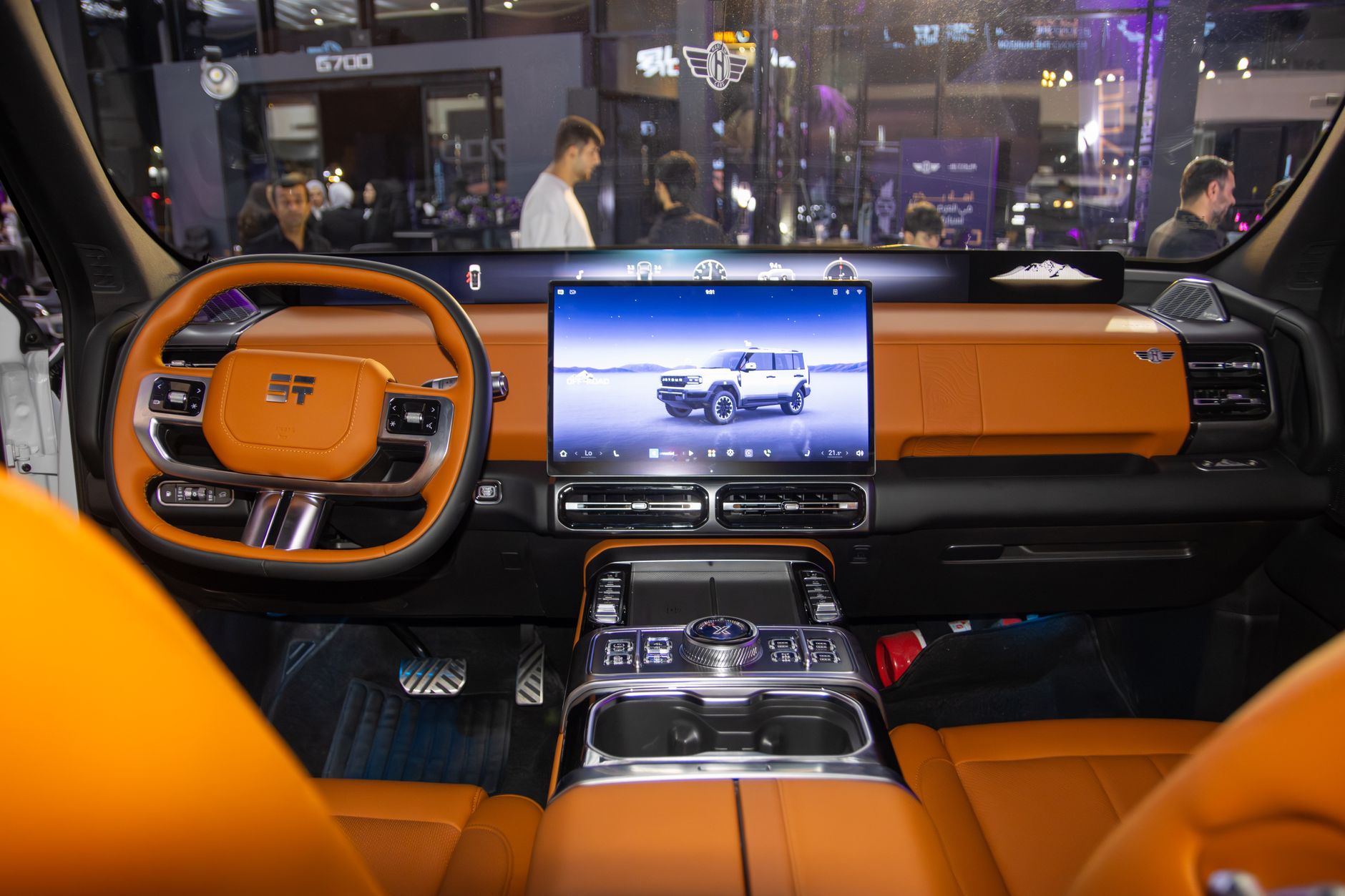
The automotive industry is evolving as legacy brands balance electric futures with V12 heritage, and consumers navigate rising car prices.
The global automotive landscape currently finds itself in a fascinating era of transition. On one side of the spectrum, legacy manufacturers are aggressively pursuing electrification to meet future regulatory demands and shifting consumer expectations. On the other side, legendary marques are doubling down on the visceral thrill of internal combustion, producing specialized grand tourers that pay homage to their rich histories. Meanwhile, everyday drivers are caught in the middle of a complex economic reality, forced to navigate escalating new vehicle prices, the hidden pitfalls of used luxury models, and the deeply personal allure of classic car ownership.
Electrifying the Luxury SUV
The push toward battery-powered vehicles is particularly evident in the luxury sector, where legacy brands must balance modern emission standards with the high-performance expectations of their clientele. According to reporting from Car and Driver, Maserati is taking a significant step in this direction with the 2027 Maserati Grecale Folgore. Serving as the all-electric version of the brand's compact luxury SUV, this model represents a critical evolution for the Italian automaker.
The introduction of the Grecale Folgore highlights how the storied manufacturer is working to integrate electric power seamlessly into the broader Maserati lineup. Car and Driver's overview of the vehicle examines its performance capabilities, technical specifications, and estimated pricing. For buyers in the high-end SUV market, this shift represents a pivotal moment where traditional automotive craftsmanship is actively merging with modern electric drivetrains, proving that luxury marques are fully committing to an electrified future.
Heritage Design and the V12 Legacy
While some brands are pushing rapidly into the electric vehicle space, others are strategically leaning into their internal combustion heritage. Autocar recently detailed the Ferrari 12Cilindri Spider, a vehicle that proudly features a folding hard top alongside a traditional V12 engine. When Ferrari initially took the covers off the 12Cilindri model two years ago, it signaled a philosophical reset for the company’s front-engined, twelve-cylinder lineage.
Rather than abandoning the large-displacement engines that originally built the brand's global reputation, Ferrari is refining them for the modern enthusiast. Furthermore, the design of the 12Cilindri Spider nods clearly in the direction of the legendary 1960s Daytona, signaling that Maranello is highly conscious of its mid-century history. This grand tourer demonstrates that there is still a robust, dedicated market for twelve-cylinder performance vehicles, even as the broader transportation industry pivots toward battery power.
The Real Drivers of Automotive Pricing
For the average consumer, custom V12 grand tourers and brand-new electric luxury SUVs remain largely aspirational. The more pressing issue for everyday buyers is the escalating cost of standard new vehicles across all market segments. A common narrative suggests that mandatory safety technology is the primary reason cars have become so expensive. However, recent analysis from Jalopnik challenges this assumption.
While expensive option packages and advanced safety tech are definitely a problem and contribute to rising baseline costs, they are not the main culprits. The reality of modern car pricing is a complex dynamic where both the people buying the cars and the people selling them play a crucial part.
Key factors influencing the modern automotive market include:
- The baseline integration of mandatory, high-tech safety features.
- Consumer purchasing habits that heavily favor larger, premium-optioned vehicles rather than entry-level models.
- Dealership pricing strategies and markups that capitalize on market demand.
Understanding this economic reality requires looking beyond the dashboard technology to examine the structural forces of supply, demand, and standard dealership practices.
The Temptation of Depreciated Luxury
The steep pricing of new vehicles naturally drives many consumers to the secondhand market, where depreciated luxury cars offer an incredibly tempting proposition. A prime example of this phenomenon is the 2007 Mercedes S 550. Jalopnik recently highlighted a listing for this stately sedan with an asking price of just $8,400.
Originally a range-topping symbol of automotive prestige, the S 550 has depreciated to a point where it falls well within the budget of an average used-car buyer. Even today, the vehicle remains exceptionally luxurious. However, the initial purchase price is only a fraction of the true cost of ownership. The specter of "Old German Car maintenance" hangs heavily over these types of purchases. Buyers must carefully weigh whether the sheen of a classic S-Class is worth the potentially ruinous repair bills that come with maintaining aging, highly complex luxury components.
The Subjective Nature of Classic Car Appeal
The appeal of older vehicles is not strictly about finding a bargain; often, it is an exercise in pure subjectivity and nostalgia. The classic car market is driven by personal infatuation just as much as it is by historical significance or market value. An opinion piece from Autocar perfectly illustrates this dynamic through a reflection on the Jaguar Mark 2.
For decades, the Jaguar E-Type has been the quintessential bedroom wall fantasy for teenagers and automotive enthusiasts alike. Yet, for some collectors, the magnificent Mark 2 remains the ultimate dream classic Jag. Acknowledging that it is a strange object of infatuation, the author notes that the Mark 2 holds its ground even against the wealth of heartstopping, poster-material cars that came after it. This enduring affection for specific, sometimes unexpected models underscores that automotive enthusiasm is a deeply personal pursuit. In the world of classic cars, value is measured not just in performance metrics or auction prices, but in individual, unquantifiable passion.
Key Takeaways
- Maserati is expanding its electric footprint with the 2027 Grecale Folgore, transitioning its compact luxury SUV lineup to battery power.
- Ferrari's 12Cilindri Spider maintains the brand's internal combustion heritage with a V12 engine and design cues from the 1960s Daytona.
- Rising new car prices are driven more by consumer habits and dealership practices than by mandatory safety technology alone.
- Depreciated used luxury vehicles, like an $8,400 2007 Mercedes S 550, carry hidden financial risks due to complex maintenance requirements.
Frequently asked questions
What is the 2027 Maserati Grecale Folgore?
According to Car and Driver, the 2027 Maserati Grecale Folgore is the all-electric version of the brand's compact luxury SUV, designed to integrate electric power into the broader Maserati lineup.
What design inspired the Ferrari 12Cilindri Spider?
Autocar notes that the front-engined, V12 grand tourer features a design that nods clearly in the direction of the legendary 1960s Ferrari Daytona.
Is safety technology the main reason for rising car prices?
According to Jalopnik, while expensive safety packages are a factor, consumer choices and dealership practices play a more significant role in driving up new car prices.
- 01Car and Driver: 2027 Maserati Grecale Folgore
- 02Autocar: Ferrari 12Cilindri Spider
- 03Jalopnik: If Safety Tech Isn't Most Responsible For Increasing Car Prices, What Is?
This editorial article was written by US News Desk's editorial desk using current reporting from the publishers above. All facts were grounded against these sources.