Navigating the Next Wave of Consumer and Transit Technology
From smart home automation and digital privacy to experimental transit, the latest tech developments highlight a landscape of rapid change.
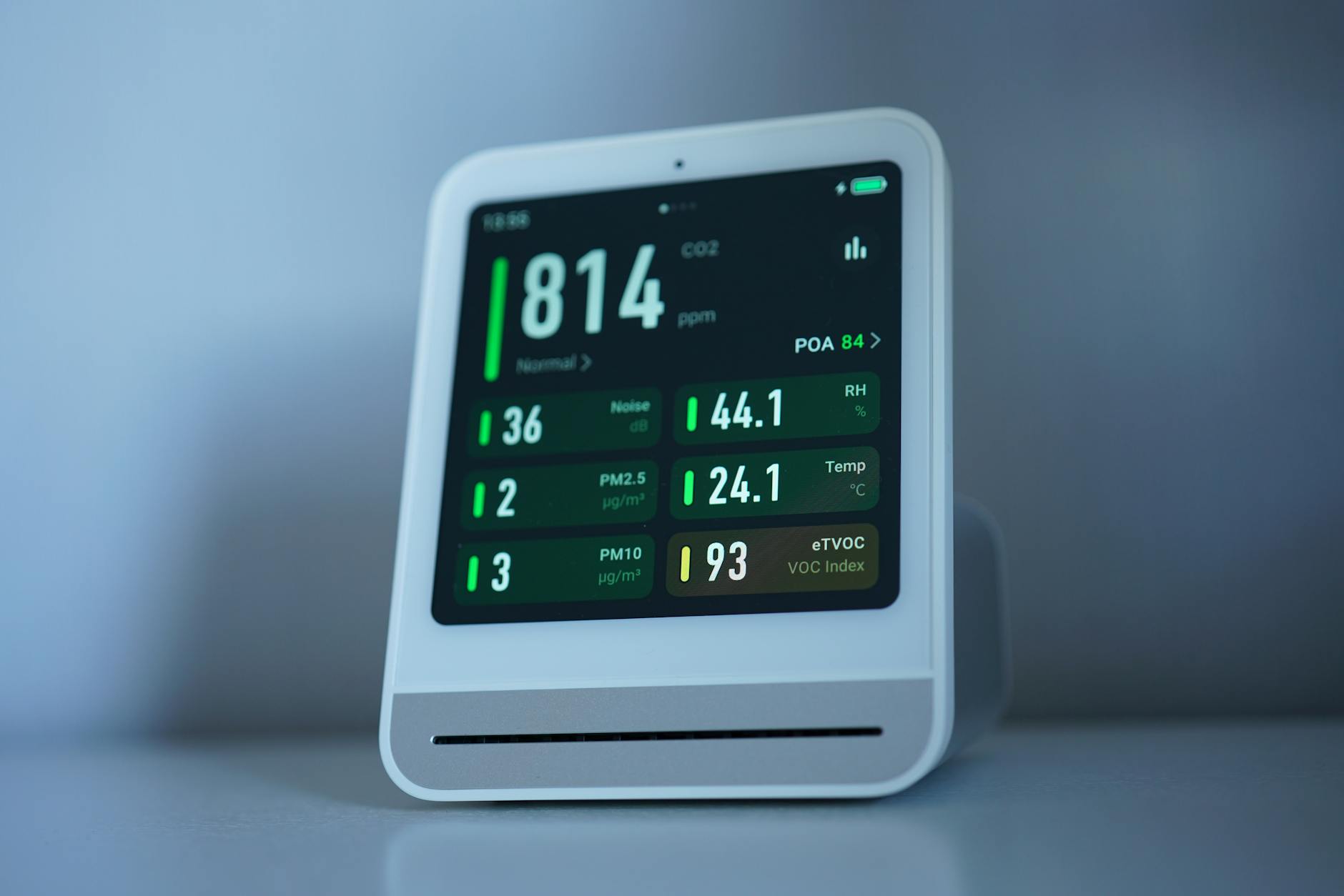
A look at the latest trends in technology, from everyday consumer electronics and smart home hacks to experimental transportation.
The modern technological landscape is defined by a constant push-and-pull between groundbreaking innovation and real-world friction. Whether it is the digital privacy settings on our personal devices or the legal battles surrounding next-generation transit, the technology sector is evolving in ways that directly impact daily life. Recent developments across consumer electronics, smart home security, and experimental transportation illustrate how the industry is moving forward.
The Evolution of Home Automation
The concept of the smart home has grown from a novelty into a standard feature of modern living, but its origins are rooted in much simpler machines. According to reporting from The Verge, the robot revolution in our living rooms was largely kickstarted by the Roomba. In its early days, the robot vacuum was a fairly unsophisticated piece of hardware. It operated with a basic, randomized navigation system, simply bumping around the house looking for debris to suck up. The machine would continue its erratic path until its battery eventually died or its notably small dust tank filled up completely.
Despite these early limitations, the foundational idea of automated domestic chores resonated with consumers. The early Roomba models proved that robotics could be successfully integrated into the home environment, paving the way for the highly complex, interconnected smart home ecosystems that define the current market. Today's consumer expects seamless automation, a far cry from the rudimentary bumping mechanisms of early robot vacuums.
Powering the Smart Home Sustainably
As home automation has advanced, so too has the need for sustainable power solutions for these devices. Home security, for instance, heavily relies on wireless doorbell cameras and exterior monitoring systems. The major drawback to these wireless solutions is battery life; a security camera is only effective if it has the power to record.
Recent testing by ZDNet highlights a highly practical, budget-friendly solution to this problem. By utilizing an EverExceed 5V solar panel, which retails for just $17, users can effectively give their doorbell and security cameras unlimited battery life. This micro-application of solar technology represents a significant shift in consumer tech. Rather than relying entirely on grid power or frequent battery replacements, homeowners can leverage affordable, small-scale solar panels to maintain continuous operation of their security infrastructure.
- Affordability: The $17 price point makes sustainable power highly accessible to the average homeowner.
- Reliability: Direct solar integration provides continuous, uninterrupted security monitoring.
- Convenience: The setup effectively eliminates the need to manually dismount and recharge camera batteries.
Securing Personal Data on Mobile Devices
While smart home devices monitor our physical spaces, our smartphones hold comprehensive digital records of our personal lives. As these devices become more deeply integrated into our daily routines, the amount of data they collect grows exponentially. According to ZDNet, your mobile phone holds a vast array of personal information, tracking everything from your daily physical locations to the specific people you communicate with every day.
To combat unnecessary data exposure, cybersecurity experts emphasize the importance of actively managing device settings. ZDNet recommends changing seven specific phone privacy settings on every new device to limit who can access your personal data and when that access is granted. Relying on default configurations often leaves users vulnerable to aggressive data harvesting by applications and third-party services. Taking proactive control of these settings ensures that location tracking and contact access are restricted to only the essential functions required by the user.
Navigating the Future of Transportation
Beyond the confines of the home and personal devices, technology is rapidly reshaping the transportation sector. However, this progress frequently encounters significant regulatory and legal hurdles. A prime example is the emerging market for electric air taxis. According to The Verge's aviation technology coverage—spearheaded by Andrew J. Hawkins in "The Stepback" newsletter—these innovative passenger vehicles are currently stuck in the courtroom.
The promise of electric air taxis is substantial, offering the potential to reduce urban congestion and provide faster, more sustainable transit options. Yet, before these vehicles can become a standard feature of city skylines, manufacturers and operators must navigate a complex web of lawsuits and regulatory frameworks. The aviation industry is simultaneously tackling other technological passenger upgrades, such as improving Wi-Fi speeds at 30,000 feet, highlighting the diverse, ongoing challenges facing modern air travel.
While commercial air transit navigates legal red tape, extreme engineering projects continue to push the boundaries of physical speed. CNET recently reported on a remarkable record-breaking attempt on the track involving a steam-powered rocket bike. Known as the "Force of Nature," this ultimate rocket bike showcases the raw power and experimental spirit that still drives mechanical engineering. The stark contrast between the heavily regulated deployment of electric air taxis and the track-based thrills of a steam-powered rocket bike illustrates the vast spectrum of current mobility technology.
From the practical application of $17 solar panels and routine privacy audits to the ambitious pursuit of aerial commuting, the current technology landscape requires both consumers and regulators to adapt swiftly. As these innovations continue to mature, the focus will increasingly shift toward refining everyday usability, ensuring digital security, and establishing the legal frameworks necessary to bring the future of transit out of the courtroom and into the real world.
Key Takeaways
- Early unsophisticated devices like the original Roomba laid the groundwork for today's advanced smart home ecosystems.
- Small-scale, affordable accessories, such as a $17 solar panel, are providing sustainable, unlimited battery life for home security cameras.
- Proactively managing smartphone privacy settings is essential for limiting third-party access to personal location and contact data.
- The rollout of electric air taxis is currently being delayed by legal and regulatory challenges.
Frequently asked questions
How can I improve the battery life of my wireless doorbell camera?
According to ZDNet, installing a small, affordable solar panel—such as the $17 EverExceed 5V panel—can provide doorbell and security cameras with unlimited battery life.
What personal data is most at risk on a new smartphone?
Smartphones track vast amounts of data, primarily your daily physical locations and the contacts you communicate with most often. It is recommended to review your privacy settings to limit access to this information.
Why aren't electric air taxis widely available yet?
Despite their potential to revolutionize transit, electric air taxis are currently facing numerous lawsuits and regulatory hurdles that are keeping them stuck in the courtroom.
- 01The Verge: Electric air taxis are stuck in the courtroom
- 02ZDNet: I always change these 7 phone privacy settings on every new device - here's why
- 03CNET: I Saw the Ultimate Rocket Bike in Action and It Blew Me Away
This editorial article was written by US News Desk's editorial desk using current reporting from the publishers above. All facts were grounded against these sources.