Nissan Updates Lineup as US Vehicle Market Embraces New Tech
Nissan adjusts pricing and powertrains while the broader US market sees new electric pickups, premium wagons, and shifting robotaxi races.
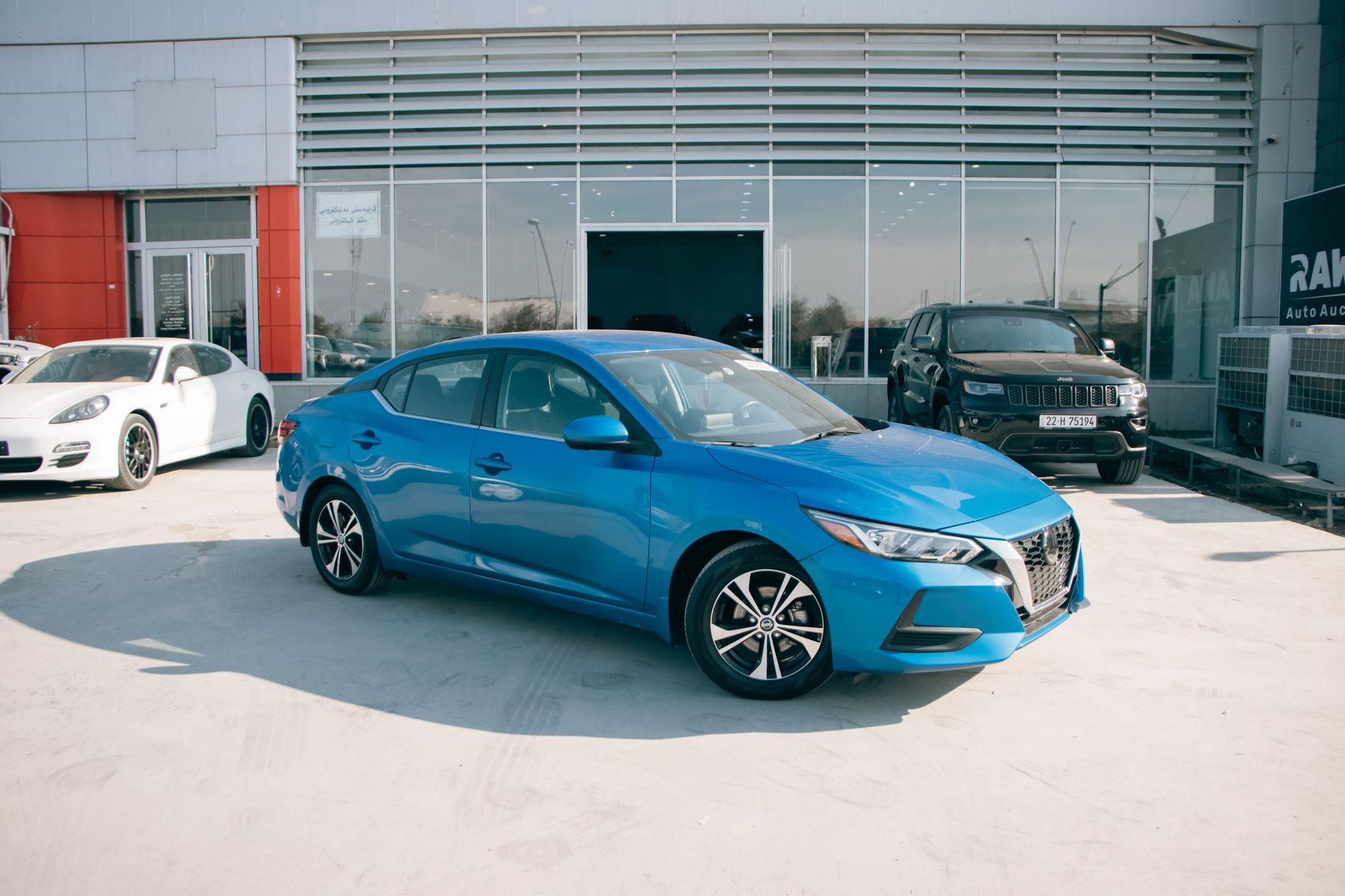
Nissan adjusts pricing and powertrains while the broader US auto market sees new electric pickups, premium wagons, and shifting robotaxi races.
The landscape of the United States automotive market is experiencing a period of significant recalibration. Traditional automakers are simultaneously refining their legacy combustion-engine vehicles while navigating the integration of hybrid technologies and preparing for a future dominated by electric and autonomous platforms. Recent developments from major manufacturers underscore this balancing act. From practical pricing and trim updates on popular mid-size pickup trucks to international divergences in powertrain offerings, companies like Nissan are continuously adapting to consumer demands. Meanwhile, the broader industry continues to introduce specialized electric vehicles and push the boundaries of automated driving.
Nissan Frontier Gets Trim Updates and a Price Increase
For decades, the mid-size pickup truck segment has been a crucial battleground for automakers in the United States. Nissan has long maintained a steady presence in this category with the Frontier, a vehicle known for its rugged utility. According to reporting from Motor1, the upcoming 2027 Nissan Frontier is set to receive several updates that will impact both its aesthetic offerings and its cost to consumers.
Most notably, the 2027 Nissan Frontier has just gotten more expensive. While gradual price increases are standard across the automotive sector, they often accompany new features or styling adjustments designed to entice buyers. To that end, Nissan is introducing a brand-new Sport Edition Package specifically tailored for the SV grade of the Frontier. The SV grade traditionally serves as the middle-tier value proposition for the truck, balancing essential features with affordability. This strategic addition aims to provide buyers with more customization options within the middle tier of the vehicle's lineup, catering to drivers who desire a more aggressive or specialized look without jumping to the most expensive trim levels.
Powertrain Divergence: The Nissan Kicks
While the Frontier handles the heavier duty needs of Nissan's customer base, the brand's crossover segment reveals an interesting divergence in global market strategies. The Nissan Kicks, which currently stands as the automaker's smallest SUV offering, highlights how manufacturers tailor their mechanical configurations to different regions.
In the United States, Nissan sells the Kicks compact SUV equipped with a naturally aspirated 2.0-liter four-cylinder engine. A naturally aspirated engine relies on atmospheric pressure rather than forced induction, providing a linear power delivery that is well-suited for everyday urban commuting in the US. However, the international strategy for the Kicks looks quite different. Motor1 reports that the Kicks is officially getting the hybrid treatment in Japan. This overseas shift toward a hybrid powertrain for the brand's smallest SUV emphasizes the varied regulatory environments and consumer preferences that dictate how global automakers package their vehicles across different continents.
Premium Wagons and Micro Electric Trucks Enter the Fray
Beyond Nissan's immediate lineup, the wider United States vehicle market is preparing for the arrival of new models that cater to highly specific consumer niches. One such development is the resurgence of the premium wagon. According to Motor1, Audi has confirmed that it will begin selling the new A6 Allroad wagon in the United States starting next year. This announcement marks a notable commitment to the wagon body style, a segment that has historically faced intense competition from the booming crossover and SUV markets.
On the other end of the size and powertrain spectrum is the emerging market for compact electric utility vehicles. Automotive outlet Jalopnik reports that the Telo MT1—a tiny, adorable electric pickup truck—has recently moved one step closer to actual manufacturing. While the ultimate fate of the Telo MT1 is still far from settled, the recent progression in its development cycle offers a dose of good news for enthusiasts who favor smaller, more efficient alternatives to the traditionally massive American pickup truck. The advancement of the Telo MT1 illustrates a growing interest in right-sizing electric vehicles for urban and light-duty environments.
The Shifting Landscape of the Robotaxi Market
As traditional and electric consumer vehicles continue to evolve, the commercial sector is fiercely contesting the future of autonomous transportation. The robotaxi market has become one of the most closely watched and volatile segments of the modern automotive industry. A robotaxi—essentially a driverless vehicle operated via an app-based ride-hailing service—promises to reduce labor costs and increase fleet efficiency over time.
According to InsideEVs, determining who is currently winning the robotaxi race is incredibly complicated. Every time industry analysts believe they understand the trajectory of the market, a new piece of news shakes things up entirely. The development of self-driving commercial fleets requires immense capital, regulatory navigation, and continuous technological breakthroughs, making it a highly turbulent sector.
Recent updates have highlighted the intense competition and varied strategies among the major players in the automated driving space. The landscape is continually shifting based on news from several key entities, including:
- Tesla
- Uber
- Waymo
- Wayve
- Lucid
These companies represent a complex mix of legacy ride-hailing networks, dedicated autonomous technology firms, and electric vehicle manufacturers, all vying for dominance in a market that could eventually redefine urban transit.
Navigating the Future of US Vehicles
The current state of the United States automotive market is defined by its sheer variety. Whether it is Nissan adjusting the trims on the traditional combustion-powered Frontier, Audi importing a luxury wagon, or tech giants battling for robotaxi supremacy, the sector is in a state of rapid transformation. For consumers and industry observers alike, keeping track of these regional powertrain differences and emerging autonomous technologies is essential for understanding the road ahead.
Key Takeaways
- The 2027 Nissan Frontier is seeing a price increase and introducing a new Sport Edition Package for its SV grade.
- Nissan's smallest SUV, the Kicks, features a naturally aspirated 2.0-liter engine in the US but is gaining a hybrid option in Japan.
- The US market will welcome the Audi A6 Allroad wagon next year, while the Telo MT1 electric pickup inches closer to production.
Frequently asked questions
What changes are coming to the 2027 Nissan Frontier?
The 2027 Nissan Frontier is getting more expensive and adding a new Sport Edition Package specifically for the SV trim level.
Does the Nissan Kicks have a hybrid engine in the US?
No, the US version of the Nissan Kicks uses a naturally aspirated 2.0-liter four-cylinder engine. However, the Japanese market is receiving a hybrid version.
Which companies are competing in the robotaxi market?
The complex and evolving robotaxi sector currently features major players including Tesla, Uber, Waymo, Wayve, and Lucid.
- 01Motor1: Great News: The Audi A6 Allroad Is Coming To The US
- 02Jalopnik: Tiny, Adorable Telo MT1 Electric Pickup Truck Moves One Step Closer To Making Me Eat My Own Words
- 03InsideEVs: Who's Winning The Robotaxi Race? It's... Complicated
This editorial article was written by US News Desk's editorial desk using current reporting from the publishers above. All facts were grounded against these sources.