Real-World Tech Testing: From Automotive Safety to Public Sector Software
*From automotive safety systems to digital gaming platforms, recent technological testing reveals the growing pains of adopting new consumer and public sector tools.*
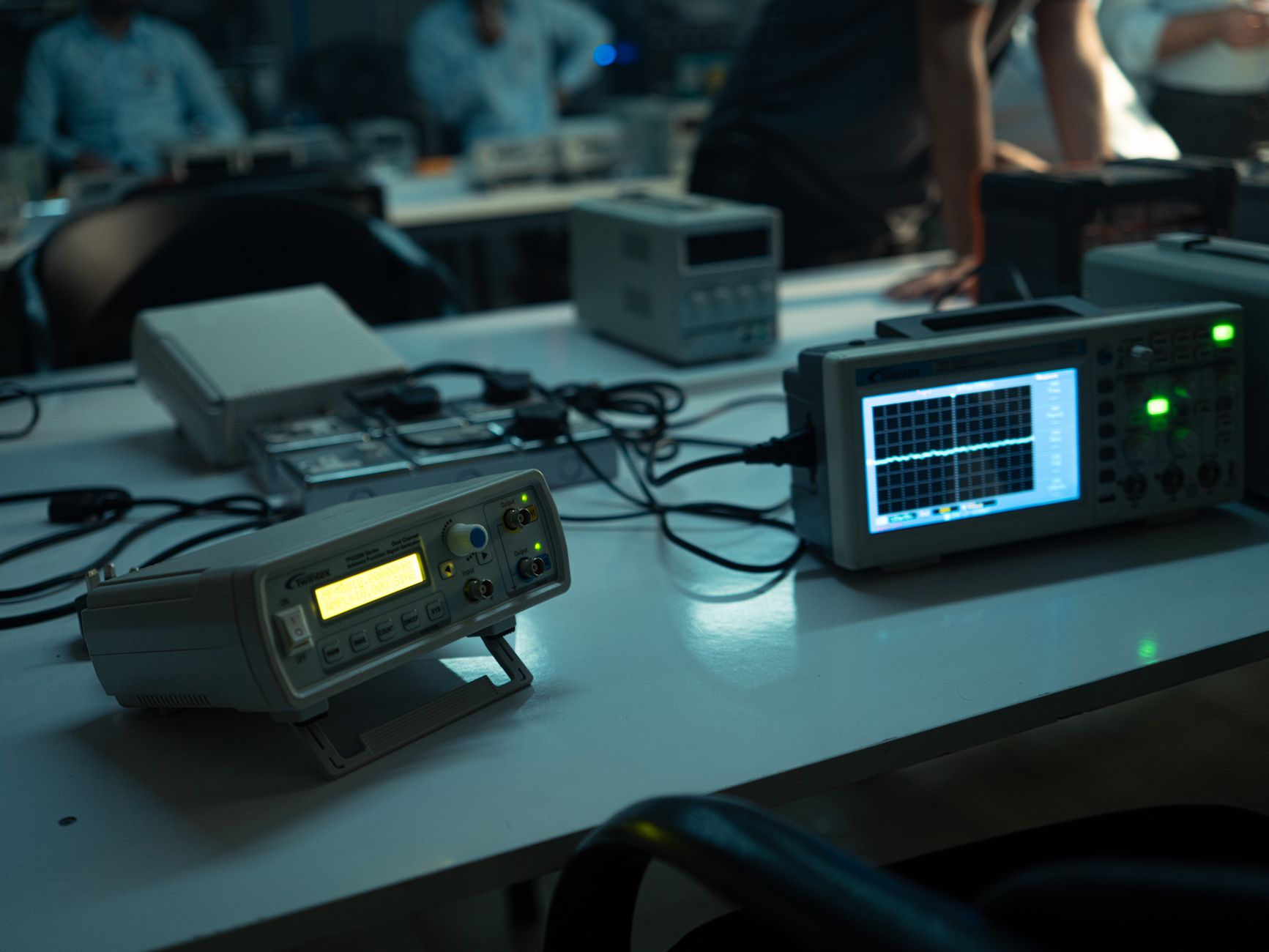
From automotive safety systems to digital gaming platforms, recent technological testing reveals the growing pains of adopting new consumer and public sector tools.
The rapid pace of modern innovation means that corporations and government entities are constantly in a cycle of technology acquisition. However, securing new systems is only the first step. The critical phase that dictates a product's success or failure is real-world testing. Recent reports from late June 2026 highlight a spectrum of industries—ranging from automotive manufacturing and global sports broadcasting to video game platforms and legislative offices—grappling with the rollout of new software and digital features.
Whether an organization is attempting to simulate a traditional driving experience in an electric vehicle or navigating the ethical boundaries of automated writing software in drafting laws, the necessity for stringent operational verification has never been clearer. These disparate sectors share a common challenge: ensuring that newly acquired systems function accurately before they are permanently integrated into consumer daily life or public administration.
Refining the Automotive Experience
The automotive sector remains a primary battleground for technological integration, balancing performance aesthetics with critical safety infrastructure. For performance vehicle enthusiasts, the transition to electric power has sometimes felt disconnected from the visceral experience of traditional combustion engines.
To bridge this gap, auto manufacturers are acquiring and developing software that mimics legacy mechanics. According to recent reporting by Motor1, Hyundai is focusing heavily on the sensory experience of its upcoming electric N performance cars. The company plans to significantly enhance its N e-shift simulated gearbox technology. By refining this system in their next-generation models, Hyundai aims to make the shifting sensation feel substantially more realistic for drivers. This development underscores how companies are utilizing digital software not just for essential vehicular functions, but to artificially preserve the traditional driving engagement that consumers desire.
However, while simulated performance features are undergoing refinement, critical safety technologies are facing intense scrutiny. The implementation of intelligent speed assist technology—a system designed to read road signs and help drivers maintain legal speeds—is currently falling short of expectations.
According to Autocar, a major safety body in the United Kingdom has issued a call to action demanding tougher rules and revisions to the way in-vehicle speed limit recognition technology is tested and approved. The organization's independent testing revealed serious inaccuracies in the software's real-world application. The results showed that intelligent speed assist systems misread up to one in four speed limit sign changes. A 25 percent failure rate in a system designed to regulate vehicle speed highlights a severe vulnerability in current automotive tech acquisition, prompting safety advocates to demand more rigorous validation before these features become mandatory on public roads.
Digital Platform Expansion and Global Broadcasting
Beyond the physical highways, digital consumer platforms are also testing new capabilities to accommodate a growing global user base. In the gaming industry, platform operators are constantly testing minor software adjustments that can have a significant impact on user identity and community interaction.
According to Engadget, the gaming brand Xbox is currently running trials for new user profile features. A notable update in this testing phase is the platform's support for 15-character gamertags. While seemingly a minor technical adjustment, extending character limits requires substantial backend testing to ensure compatibility across millions of existing user profiles, game servers, and interconnected digital storefronts. Testing these features in limited phases allows the platform to monitor system stability before executing a universal rollout to its global player base.
Simultaneously, the technology infrastructure required to deliver global media to consumers is being tested on an international scale. The 2026 FIFA World Cup represents one of the largest digital broadcasting events in the world, requiring robust streaming capabilities. Consumer demand for accessible, high-quality broadcasts has driven digital publishers to heavily document viewing options. Mashable recently highlighted the widespread digital acquisition of the tournament, publishing guides on how international audiences can live stream the World Cup match between Tunisia and the Netherlands for free from anywhere in the world. The global nature of the 2026 FIFA World Cup demonstrates how seamless digital operations are no longer a luxury but a baseline expectation. Fans looking to watch such high-stakes events expect uninterrupted service, placing immense pressure on broadcasters to thoroughly test their digital delivery networks.
Navigating Software in the Public Sector
The acquisition and application of advanced digital tools are not limited to the consumer and entertainment sectors. Government officials and public servants are increasingly incorporating modern software into their daily operations, a practice that is leading to new debates regarding transparency and the appropriate use of automated systems in civic duties.
Recently, a political office in the United States faced public scrutiny over its choice of office software. According to a late June 2026 report by Engadget, a Florida Republican had to publicly clarify how her legislative team utilized Claude, a sophisticated automated text processing and writing tool.
The controversy centered around allegations that the team had relied on the advanced software to actively work on and draft state legislation. The politician explicitly denied these claims, stating that the application was acquired and utilized solely as a basic spelling and grammar checker. This incident highlights a growing tension in the public sector regarding the integration of advanced text analysis software. As these digital assistants become more prevalent in office environments, the line between utilizing software for minor copyediting and relying on it for complex legislative drafting remains a highly debated topic.
The Future of Verification
Across all these sectors, the common denominator is the need for comprehensive testing and transparent usage guidelines. A 25 percent failure rate in an automotive speed recognition system can lead to traffic violations or physical danger, while the unverified use of automated writing software in a legislative setting can result in public mistrust.
As companies and government offices continue to acquire sophisticated technology, several key areas require ongoing verification:
- Automotive Safety and Performance: Ensuring systems like intelligent speed assist and simulated gearboxes function reliably on public roads.
- Digital Platform Infrastructure: Verifying that expanded user features, such as lengthened gaming profiles, do not disrupt existing digital ecosystems.
- Public Sector Transparency: Establishing clear guidelines for how automated text processing tools are utilized in civic and legislative duties.
From Hyundai's simulated gearboxes to Xbox's expanded digital profiles, the success of tomorrow's technological advancements relies entirely on the rigorous testing protocols established today. Organizations that prioritize real-world verification will be better equipped to integrate new tools safely and effectively into the modern landscape.
Key Takeaways
- Hyundai is refining its N e-shift simulated gearbox technology to make its upcoming electric N performance cars feel more realistic.
- Independent tests by a UK safety body revealed that intelligent speed assist systems misread up to one in four speed limit signs, prompting calls for stricter regulations.
- Xbox is actively testing expanded user profiles, including support for 15-character gamertags, to enhance platform personalization.
- The integration of advanced text software in government faces scrutiny, as seen when a Florida Republican denied using the Claude application to draft legislation, stating it was only used for spellchecking.
Frequently asked questions
What is Hyundai's N e-shift technology?
According to Motor1, it is a simulated gearbox technology used in Hyundai's electric N performance cars designed to make the driving experience feel more realistic to traditional internal combustion engines.
Why is the UK safety body concerned about intelligent speed assist?
Real-world testing revealed that the speed limit recognition technology misreads up to 25 percent of sign changes, prompting demands for tougher testing rules and software revisions.
How did a Florida politician reportedly use the Claude software?
According to Engadget, the Republican representative stated that her team used the software strictly as a spelling and grammar checker, denying allegations that it was used to write or draft state legislation.
- 01Motor1: Hyundai Want Its Electric N Cars To Feel ‘More Realistic’
- 02Autocar: Call for action as speed limit assist tech fails real-world tests
- 03Engadget: Xbox is testing support for longer gamertags
- 04Mashable: How to watch Tunisia vs. Netherlands online for free
This editorial article was written by US News Desk's editorial desk using current reporting from the publishers above. All facts were grounded against these sources.