Robotaxis, Micro EVs, and Tech Deals: Summer Consumer Trends
*From the evolving robotaxi race to smart home discounts and micro electric trucks, explore the latest consumer lifestyle developments.*
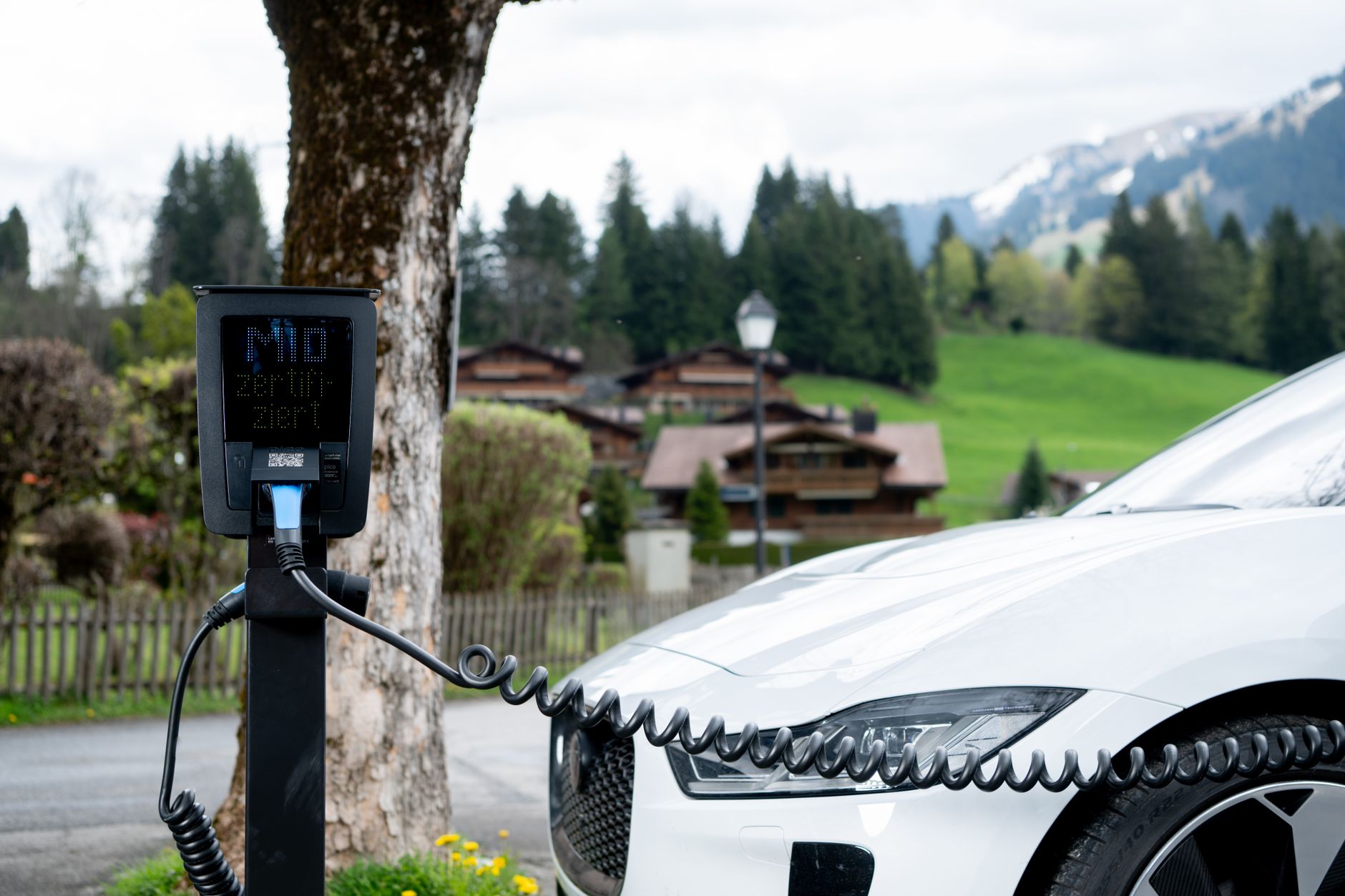
From the evolving robotaxi race to smart home discounts and micro electric trucks, explore the latest consumer lifestyle developments.
The Complex Race for Autonomous Transit
The landscape of transportation and consumer technology is undergoing continuous shifts, driven by advancements in automation, electrification, and smart home connectivity. For consumers navigating these evolving markets, keeping track of the latest developments requires examining both the macro trends of urban mobility and the micro trends of daily household conveniences. Recently, updates across various sectors have highlighted a complex interplay between ambitious future technologies and practical, immediate consumer choices.
One of the most intensely watched and heavily funded sectors is the autonomous vehicle market, specifically the development and deployment of driverless ride-hailing services. According to recent reporting from InsideEVs, the race to dominate the robotaxi industry remains highly complicated. Just when industry analysts and the public begin to believe they understand the trajectory of the market, new developments emerge to shake up established narratives and timelines.
During the summer of 2026, this landscape is being actively shaped by a diverse mix of companies, each bringing different technological approaches and business models to the table. InsideEVs notes that recent market updates have come from major industry players including Tesla, Uber, Waymo, Wayve, and Lucid.
This robust roster illustrates the varied nature of the competition:
- Established ride-hailing networks like Uber.
- Dedicated autonomous vehicle developers such as Waymo and Wayve.
- Major electric vehicle manufacturers like Tesla and Lucid.
For everyday consumers and city planners evaluating the future of infrastructure, this complicated race signifies that the widespread integration of driverless taxis into daily life is still an active, evolving battleground. The convergence of automakers, software developers, and transit networks indicates that while the technology is advancing, achieving a universally viable and profitable business model remains a protracted, highly competitive process.
Automotive Extremes: Micro EVs and Aging Luxury
While the future of public transit leans toward automation, the private vehicle market presents its own set of fascinating contrasts, particularly regarding size, propulsion, and the realities of depreciation. On one end of the spectrum is a push for novel electric vehicle form factors that challenge traditional automotive design.
Jalopnik recently highlighted the Telo MT1, described as a tiny and adorable electric pickup truck. In an American automotive market historically dominated by massive, heavy-duty trucks and oversized SUVs, the concept of a micro EV pickup offers a radically different vision for utility and urban commuting. Building a vehicle from scratch requires immense capital, and the development of electric vehicles by startup companies often involves long periods of financial and logistical uncertainty.
However, the Telo MT1 has recently moved one step closer to reality. According to Jalopnik, the announcement of a dedicated manufacturing partner is a highly positive sign for the vehicle's future. While the publication notes that the ultimate fate of the Telo brand is still far from settled, the progression from an initial concept to a partnered manufacturing stage is a critical milestone. By securing a partner, Telo mitigates some of the massive overhead costs that have historically derailed other aspiring EV manufacturers. It represents a potential shift toward more space-efficient, electrified utility vehicles for consumers who need truck functionality without the traditional footprint.
Contrasting sharply with the futuristic appeal of new micro-EVs is the enduring allure—and inherent risk—of depreciated luxury vehicles. Jalopnik also examined the current used market for a 2007 Mercedes S 550. Once a flagship, range-topping luxury sedan, this nearly two-decade-old stately vehicle is now being assessed at a highly accessible asking price of $8,400.
For car enthusiasts and budget-conscious buyers, this presents a classic automotive dilemma. The vehicle remains remarkably luxurious even by modern standards, offering a level of comfort, prestige, and ride quality that is difficult to find in newer economy cars at that price point. However, Jalopnik points out the significant caveat that haunts such purchases: the specter of Old German Car maintenance.
The complex engineering and expensive replacement parts associated with aging premium vehicles can quickly turn a bargain purchase into a financial liability. When bespoke, early-generation systems fail a decade or more later, the repair bills often reflect the car's original premium sticker price rather than its depreciated current value, a risk that continually takes the sheen off these older luxury models.
Smart Home Deals and Digital Pastimes
Beyond the driveway, technological advancements are also reshaping how consumers manage their properties and spend their leisure time. In the realm of smart home maintenance, automated cleaning devices have expanded steadily from indoor robotic vacuums to sophisticated outdoor pool care.
Mashable recently highlighted a significant consumer deal on the Aiper Scuba X1 cordless pool robot. This device represents the growing trend of untethered, automated maintenance solutions that free homeowners from the labor-intensive upkeep of swimming pools. By removing cumbersome hoses and utilizing intelligent mapping, these cordless robots represent the next generation of home convenience.
According to Mashable, consumers were offered a limited window to purchase the Aiper Scuba X1 at a steep discount. As of June 19, the pool robot was available for $949.99, representing a substantial $550 reduction from its standard retail price of $1,499.99. The publication emphasized that this specific promotional pricing was scheduled to end on that day. Such deep discounts on high-end smart home appliances highlight the highly competitive nature of the consumer electronics market during the summer months, as manufacturers aggressively vie for the attention of homeowners looking to optimize their seasonal routines.
Finally, digital pastimes continue to capture the daily attention of millions, functioning as a modern morning ritual. CNET recently published a guide dedicated to the June 20 edition of the popular NYT Strands puzzle, specifically puzzle No. 839. By providing hints, answers, and help for players struggling with the daily brain teaser, CNET's coverage underscores how deeply integrated these short, daily digital puzzles have become in contemporary culture.
Whether it is navigating the complexities of an upcoming autonomous transportation network, weighing the risks of a depreciated luxury vehicle, or simply finding the right word in a morning puzzle, the intersection of technology and daily life continues to offer an ever-evolving stream of practical news for the modern consumer.
Key Takeaways
- The robotaxi market remains highly complex, with recent updates coming from major players like Tesla, Uber, Waymo, Wayve, and Lucid.
- The electric vehicle startup Telo has secured a manufacturing partner for its MT1 micro-pickup, moving the concept closer to actual production.
- Aging luxury vehicles, such as a 2007 Mercedes S 550 priced at $8,400, offer premium features but come with the financial risk of high maintenance costs.
- Smart home devices are seeing steep summer discounts, including a recent $550 price reduction on the Aiper Scuba X1 cordless pool robot.
Frequently asked questions
What is the Telo MT1?
The Telo MT1 is a compact, electric micro-pickup truck that recently announced a manufacturing partner, signaling positive progress toward eventual production.
How much does the Aiper Scuba X1 pool robot cost?
According to a recent promotion ending June 19, the Aiper Scuba X1 was discounted to $949.99, which is a $550 reduction from its regular retail price of $1,499.99.
Which companies are currently involved in the robotaxi market?
The robotaxi sector is highly competitive and complicated, with recent market developments reported from a mix of automakers and software companies including Tesla, Uber, Waymo, Wayve, and Lucid.
- 01Jalopnik: Tiny, Adorable Telo MT1 Electric Pickup Truck Moves One Step Closer To Making Me Eat My Own Words
- 02InsideEVs: Who's Winning The Robotaxi Race? It's... Complicated
- 03Mashable: This is your last chance to get the Aiper Scuba X1 cordless pool robot for $550 off
- 04CNET: Today's NYT Strands Hints, Answers and Help for June 20 #839
This editorial article was written by US News Desk's editorial desk using current reporting from the publishers above. All facts were grounded against these sources.