State Incentives, Trade Bans, and the Evolution of the U.S. Auto Market
*From abrupt dealership chaos and bespoke hypercars to state-level EV incentives, the automotive landscape is experiencing unprecedented friction.*
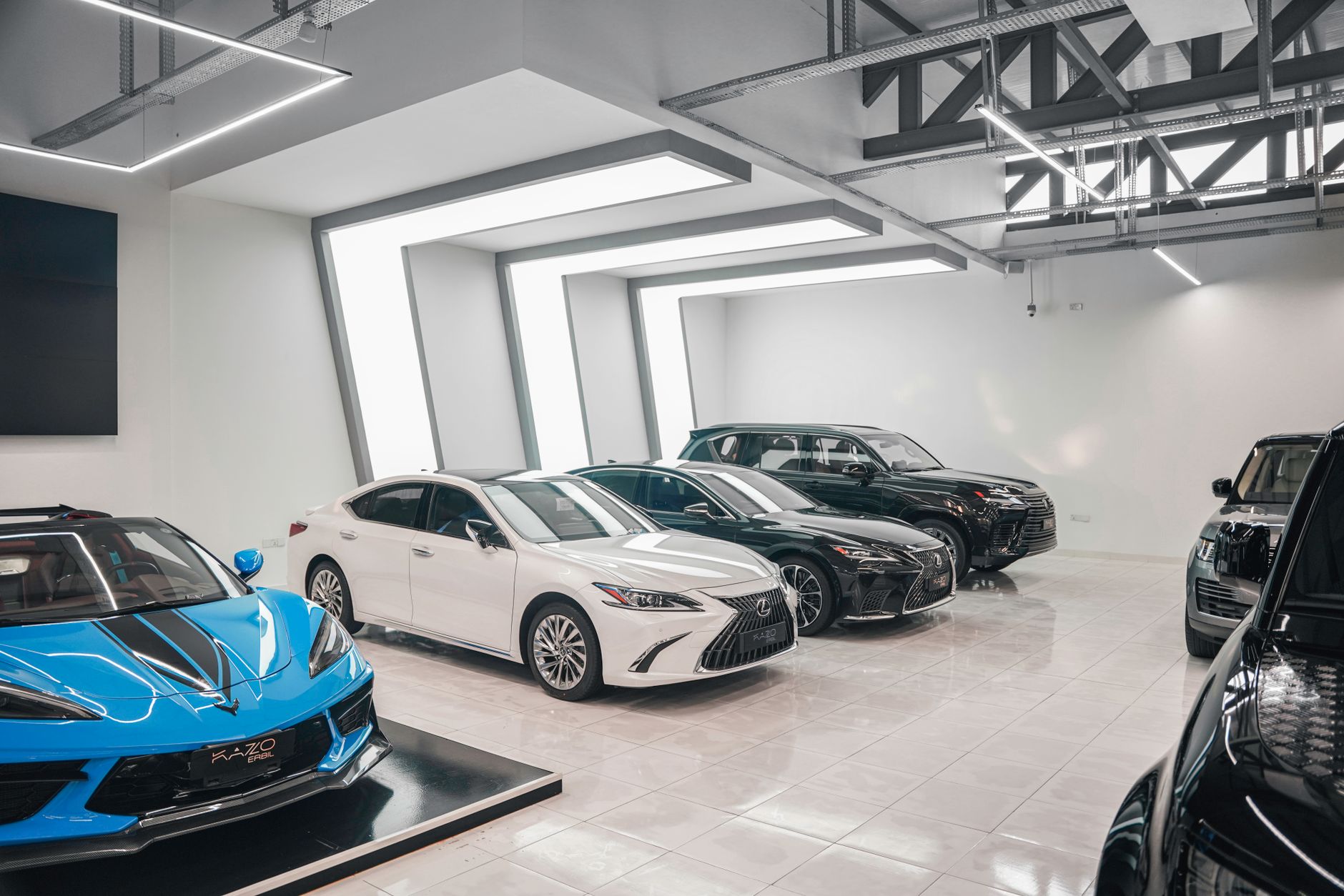
From abrupt dealership chaos and bespoke hypercars to state-level EV incentives, the automotive landscape is experiencing unprecedented friction.
State-Level Interventions in the Electric Vehicle Market
The transition toward electrified transport remains heavily reliant on government support, and states are increasingly tailoring their programs to favor domestic production. According to recent reporting from InsideEVs, California is preparing to roll out a new $135 million incentive program designed to accelerate electric vehicle adoption. However, this program carries specific structural nuances intended to support local industry.
While the broad strokes of the $135 million incentive follow traditional subsidy frameworks, one key restriction within the program will not apply to California-based electric vehicle brands. This deliberate policy carve-out provides special benefits to automakers like Rivian and Lucid, both of which maintain significant operational footprints within the state.
By exempting these local manufacturers from certain program restrictions, policymakers are attempting to simultaneously achieve environmental targets and protect regional economic interests. State-level financial incentives have long proven to be the most effective mechanism for lowering the barrier to entry for consumers transitioning away from internal combustion engines. California has historically acted as a bellwether for automotive environmental policy, often setting standards that other states subsequently adopt. By injecting $135 million into the consumer market, the state is effectively subsidizing the critical mass needed to sustain charging infrastructure and normalize zero-emission travel.
Trade Restrictions and Franchise Dealership Chaos
While some sectors of the market benefit from localized government support, others are facing severe regulatory headwinds. The U.S. automotive market has been jolted by an abrupt, forced exit involving the electric performance brand Polestar. According to The Drive, a post-ban scenario has thrust the automaker's North American operations into a state of profound uncertainty.
The sudden regulatory blockade has triggered cascading effects across the entire supply chain and retail network. The prevailing sentiment among those affected was bluntly summarized by an insider quote featured in The Drive's reporting: "We Don't Know What We're Doing."
The fallout from this forced exit impacts several distinct groups within the automotive ecosystem:
- Franchise Dealerships: Retailers are left scrambling to manage unsold inventory, adapt their floorplan financing, and figure out how to keep their operations viable without a primary product to sell.
- Current Owners: Consumers who have already purchased vehicles are facing immense anxiety regarding the future availability of replacement parts, warranty servicing, and crucial over-the-air software updates.
- Corporate Operations: Polestar's corporate apparatus is now forced to untangle complex logistical pipelines and legal obligations while navigating a market they are suddenly barred from competing in.
The traditional automotive franchise model is deeply dependent on a consistent, predictable relationship between the manufacturer and the retailer. Dealerships invest heavily in specialized diagnostic equipment, branded facility upgrades, and technician training based on the promise of long-term product supply. When a ban severs that supply line overnight, the localized economic impact can be devastating.
The Twilight of Heritage Utility Vehicles
Amid the turbulence of electric vehicle startups and trade bans, legacy automakers are quietly closing chapters on established internal combustion platforms. A prime example is unfolding at Land Rover. According to Autocar, the current-generation Land Rover Discovery is nearing retirement after a lengthy tenure on the global market.
To mark the end of this lifecycle, Land Rover has revealed a new, high-specification "Landmark" edition of the Discovery. This strategy reprises a naming convention traditionally used by the brand for its previous run-out models. The current Discovery is a nine-year-old seven-seater, making it one of the older platforms currently competing in the premium utility segment.
Run-out models like the Landmark edition serve a crucial strategic purpose for automakers. By packaging highly desirable features, unique badging, and specialized trim levels into a final production run, manufacturers can sustain consumer demand and clear out supply chains. In an industry where vehicle generations typically span five to seven years, a nine-year-old platform represents a remarkably long lifecycle. Autocar notes that this Landmark edition could be the final version of the vehicle before the Discovery line undergoes a dramatic reinvention to align with modern automotive trends, which will likely incorporate heavy electrification.
The Apex of Internal Combustion and Bespoke Craftsmanship
At the absolute top tier of the automotive market, manufacturers remain focused on extreme exclusivity and specialized craftsmanship. According to Road & Track, French hypercar manufacturer Bugatti has once again partnered with the German ceramics company KPM to create a highly specialized vehicle.
The collaboration has resulted in the Bugatti W16 Mistral 'Blanc Éternel'. This bespoke creation serves as a salute to porcelain, seamlessly integrating what the manufacturer refers to as "white gold" into the architecture of a 16-cylinder hypercar.
The W16 engine is a marvel of modern engineering, representing a configuration that is vanishingly rare in an era increasingly defined by downsizing and battery power. The 'Blanc Éternel' project is not merely an aesthetic exercise; it is a celebration of a specific era of automotive history. Integrating KPM's custom ceramics into a machine capable of such immense speed requires complex vibration dampening and specialized mounting techniques, ensuring the porcelain elements survive the physical stresses of hypercar performance. Vehicles like this are less about practical transportation and more about demonstrating the outer limits of material science and mechanical engineering.
Looming Macroeconomic Uncertainties
All of these automotive developments—from $135 million state incentives to bespoke porcelain hypercars—operate within a broader, and increasingly fragile, macroeconomic environment. According to Gizmodo, a recent meeting of powerful central bankers yielded troubling news regarding the stability of global markets.
The discussions among these financial policymakers centered heavily on the risks associated with a rapidly expanding technology and investment bubble. While the specifics of their closed-door conversations remain complex, the underlying warning is clear: central bankers are seeing troubling indicators that could impact global liquidity.
For the automotive industry, which is deeply reliant on consumer credit, corporate financing, and massive capital expenditures, any economic contraction triggered by a bursting bubble would be severely disruptive. Whether it is a dealership trying to survive a brand's sudden market exit or a state government attempting to fund nine-figure incentive programs, the financial climate dictated by these central bankers will ultimately determine the industry's path forward over the coming years.
Key Takeaways
- California is launching a $135 million EV incentive program that features specific restriction exemptions for state-based brands like Rivian and Lucid.
- A post-ban forced exit from the U.S. market has left Polestar dealerships, current owners, and corporate logistics in a state of operational chaos.
- Land Rover is preparing to dramatically reinvent its aging Discovery line, capping off the current nine-year-old platform with a high-spec Landmark run-out edition.
- Bugatti has partnered with KPM to integrate porcelain 'white gold' into the 16-cylinder W16 Mistral, highlighting the extremes of bespoke hypercar manufacturing.
Frequently asked questions
What is California's new EV incentive program?
According to InsideEVs, California is preparing a $135 million incentive program designed to boost electric vehicle adoption. The program uniquely benefits California-based EV brands, such as Rivian and Lucid, by exempting them from a key restriction.
Why are Polestar dealerships facing operational issues in the U.S.?
Reporting from The Drive indicates that Polestar is dealing with an abrupt forced exit and post-ban scenario in the United States, leaving corporate leadership, franchise dealers, and vehicle owners scrambling to navigate the sudden regulatory blockade.
What is a run-out model in the automotive industry?
A run-out model, such as the newly announced Land Rover Discovery Landmark edition, is a highly specified final version of an older vehicle platform. Automakers release these editions to maintain sales before the model undergoes a complete reinvention or retirement.
- 01Road & Track: Bugatti W16 Mistral ‘Blanc Éternel’ Is a New Salute to Porcelain
- 02InsideEVs: California's New EV Incentive Is Almost Here—With Special Benefits For Rivian And Lucid
- 03Autocar: Land Rover Discovery nears retirement with new Landmark edition
- 04The Drive: ‘We Don’t Know What We’re Doing’: Inside the Post-Ban Chaos at Polestar Dealerships
- 05Gizmodo: What Went on at This Meeting of Powerful Central Bankers Won’t Ease Your Mind About an AI Bubble
This editorial article was written by US News Desk's editorial desk using current reporting from the publishers above. All facts were grounded against these sources.