Tech in 2026: Hardware Pricing, Software Lifespans, and Workforce Shifts
*From rising consumer device costs to new government tracking of algorithmic job displacement, recent shifts highlight a rapidly evolving tech sector.*
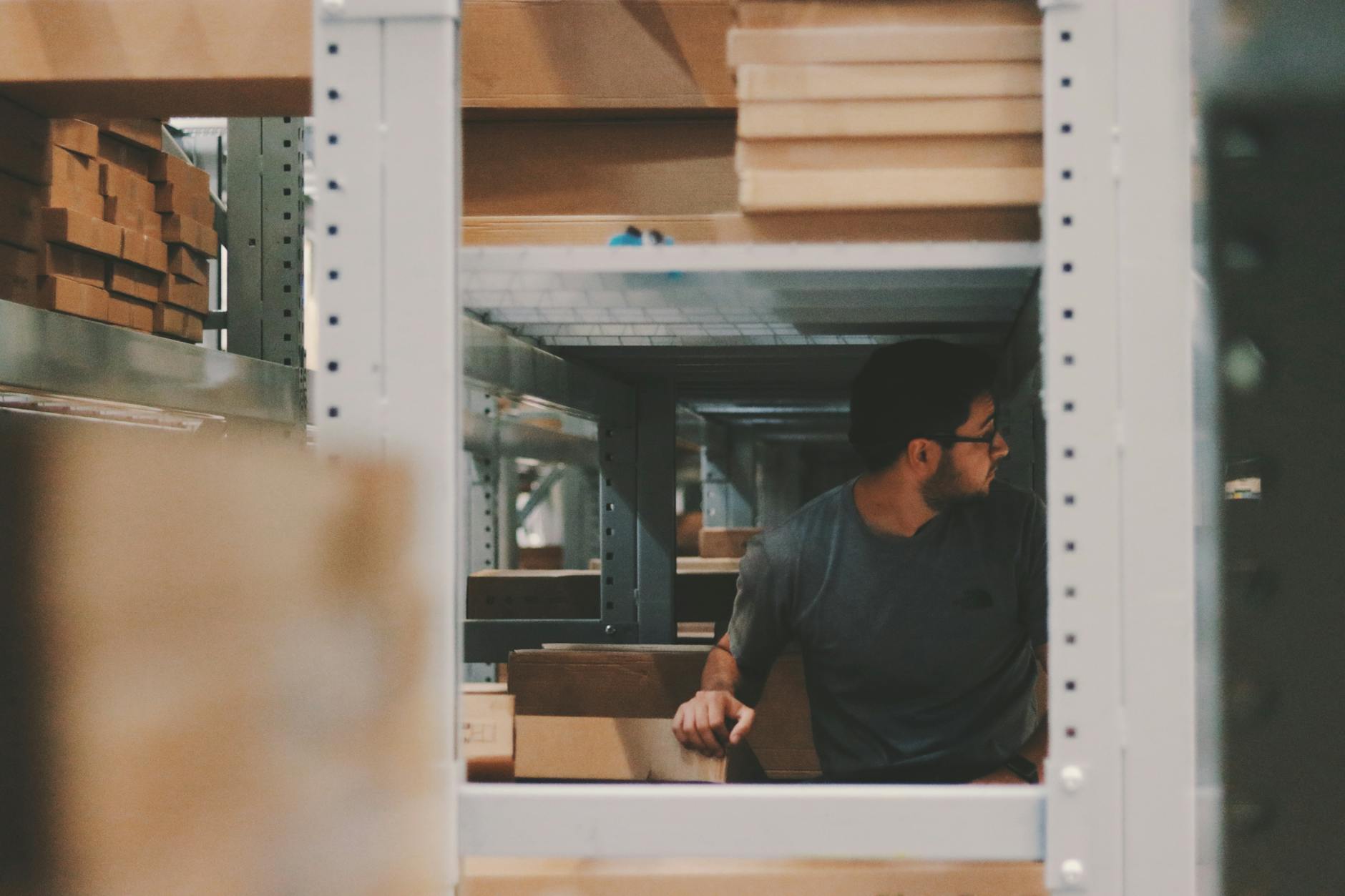
From rising consumer device costs to new government tracking of algorithmic job displacement, recent shifts highlight a rapidly evolving tech sector.
The technology landscape in mid-2026 presents a complex picture for consumers, digital creators, and the broader workforce. As the global supply chain continues to dictate hardware availability, major software providers are adjusting the lifespans of aging operating systems to keep users secure. Simultaneously, the cultural and economic impacts of the digital sector are becoming more pronounced, prompting new governmental oversight regarding labor and automation.
For global observers and domestic consumers alike, understanding these interconnected developments is vital. Recent reporting from top industry publications reveals a tech ecosystem where securing a new device is becoming more expensive, maintaining old hardware is increasingly necessary, and the integration of advanced algorithms into the workplace is triggering proactive policy measures.
Hardware Pressures and the Component Crisis
Consumers looking to upgrade their personal electronics are facing a turbulent and increasingly expensive market. According to recent reporting from The Verge, Apple has implemented price increases across its iPad and MacBook lineups. For everyday users and professionals who rely on the Apple ecosystem, this presents an immediate financial hurdle.
However, market transitions often create brief windows of opportunity. The Verge notes that despite the official price hikes, many third-party retailers are currently selling off their existing inventory at the previous, lower prices. In some cases, retailers are offering significant discounts to clear warehouse space for the newer, more expensive models. For consumers actively looking to upgrade, acting quickly to purchase existing stock may result in some of the best deals available before the new pricing baseline fully takes over the market.
Simultaneously, the broader industry continues to grapple with a persistent component crisis that affects both legacy tech giants and smaller, innovative startups. Framework, a boutique manufacturer famous for its highly repairable and modular computers, is currently navigating these exact supply chain constraints. The company is processing preorders for its highly anticipated Framework Laptop 13 Pro.
The device has already garnered significant attention, with The Verge reporting that Framework’s CEO has boldly categorized the new machine as the "MacBook Pro for Linux users." While the component shortage has generally made it a difficult time to purchase a new computer, Framework recently shared some rare positive news with its community. Adjustments in the pricing of central processing units and solid-state drives mean that consumers waiting on their laptop preorders might actually see their final costs decrease, offering a rare bright spot in an otherwise inflationary hardware market.
Extending the Software Lifeline
With new hardware becoming more expensive and sometimes harder to acquire, consumers and businesses are increasingly opting to extend the lifecycle of their current devices. This shift in consumer behavior places a heavy burden on software providers, who must ensure that aging hardware remains protected against modern cybersecurity threats.
According to ZDNet, Microsoft has quietly provided a massive reprieve for millions of users who are still utilizing older software. The technology giant has officially extended its free Extended Security Update (ESU) program for consumers running Windows 10 by one full year.
This decision has profound implications for the global digital infrastructure:
- Financial Relief: Consumers are not forced into immediate, costly hardware upgrades simply to maintain basic operating system security.
- E-Waste Reduction: By keeping older laptops and desktops securely functional for another twelve months, millions of devices are temporarily kept out of global landfills.
- Transitional Breathing Room: Small businesses and everyday users have an additional year to plan and budget for their eventual migration to newer operating systems.
Extended support programs are traditionally lucrative enterprise offerings, so providing an extra year of free consumer support signals an industry acknowledgment that hardware transition cycles are slowing down.
Digital Culture and the Creator Economy
Beyond hardware supply chains and software updates, the cultural side of the technology sector remains a massive economic driver. The platforms and devices we use are ultimately vehicles for content, community, and commerce—elements that all converge in the modern creator economy.
In late June 2026, the internet's most prominent gathering returned with VidCon 2026, as reported by Mashable. Hosted in Anaheim, California, the convention serves as the premier real-world touchpoint for the digital creation industry. VidCon brings together platform executives, independent digital creators, and thousands of fans to discuss the future of online entertainment.
Mashable's live coverage highlighted that the event is a critical barometer for internet culture. Panels and creator events dictate upcoming trends in digital monetization, platform algorithm changes, and audience engagement strategies. As the digital economy matures, offline conventions like VidCon remain essential for translating virtual communities into tangible business networks. For international observers, Anaheim's VidCon serves as a looking glass into the future of global digital media consumption.
Tracking Automation's Impact on Labor
As the technology industry shapes consumer habits and dictates global digital culture, it is also fundamentally altering the foundations of the traditional labor market. The rapid deployment of advanced algorithms, machine learning tools, and automated systems is increasingly capable of performing tasks previously reserved for human workers. This transition is prompting immediate government intervention and oversight.
According to Engadget, California Governor Gavin Newsom has collaborated with the state's employment department to officially roll out a job loss tracker specifically focused on automation and advanced algorithmic technologies.
Because California is the home of Silicon Valley and hosts the headquarters of the world's leading technology firms, the state frequently serves as a global bellwether for technology regulation and labor policy. The implementation of this tracker marks a critical step in understanding the modern workforce. Key aspects of this initiative include:
- Data-Driven Policy: By actively tracking how automated systems displace workers, the state aims to gather concrete data rather than relying on anecdotal evidence or speculative economic models.
- Targeted Resource Allocation: Understanding exactly which industries and demographics are most impacted by algorithmic automation allows state agencies to better direct retraining and unemployment resources.
- Global Precedent: Governments worldwide are grappling with the labor implications of next-generation automation. California's tracking system provides a potential blueprint for other regional and national governments looking to monitor technological unemployment.
Looking Ahead
The developments of mid-2026 illustrate a technology sector in transition. Consumers must navigate a landscape of rising hardware costs while strategically timing their purchases to capitalize on lingering legacy inventory. At the same time, companies like Microsoft are recognizing the need to keep older machines viable for longer periods through extended security updates.
Meanwhile, the dual nature of technology's economic impact has never been clearer. On one hand, events like VidCon showcase a thriving, lucrative digital creator economy built on modern platforms. On the other hand, the deployment of advanced automation tools has forced proactive governance, as seen in California's pioneering efforts to track algorithmic job displacement.
As these trends continue to develop, the intersection of hardware availability, software longevity, and labor dynamics will remain the defining narrative of the global technology market.
Key Takeaways
- Apple has raised prices across its iPad and MacBook lines, though consumers can still find older pricing on existing retail inventory.
- Microsoft has granted Windows 10 consumers an additional year of free Extended Security Updates, allowing users to safely delay hardware upgrades.
- Framework is navigating industry component shortages but anticipates that preorders for its Linux-friendly Framework Laptop 13 Pro may actually come in at a lower cost.
- California has launched a pioneering state-level tracking system to monitor job losses caused by the implementation of advanced algorithms and automated technologies.
Frequently asked questions
Apple has instituted price hikes across these product lines, though exact reasoning often ties into broader supply chain costs. Consumers are advised to look for retailers selling off older inventory for discounts.
How long will Windows 10 receive security updates?
Microsoft has extended the free Extended Security Update (ESU) program for consumer Windows 10 users by one additional year, ensuring longer protection against cyber threats for older devices.
What is the California job loss tracker?
Launched by Governor Gavin Newsom and the state's employment department, it is a tracking system designed to monitor and record job displacement caused specifically by advanced automated systems and algorithms.
- 01The Verge: You won’t have long to get these iPad deals before Apple’s price hike
- 02ZDNet: Your Windows 10 PC just quietly got another year of free support - but why?
- 03Mashable: VidCon 2026: Live updates from the internets biggest weekend
- 04Engadget: California launches tracker for AI-related job losses
This editorial article was written by US News Desk's editorial desk using current reporting from the publishers above. All facts were grounded against these sources.