Tech Updates: Apple MagSafe Accessories and NYT Games Expansion
*As mobile hardware evolves with the iPhone Air, daily digital engagement is simultaneously reshaping around bite-sized entertainment.*
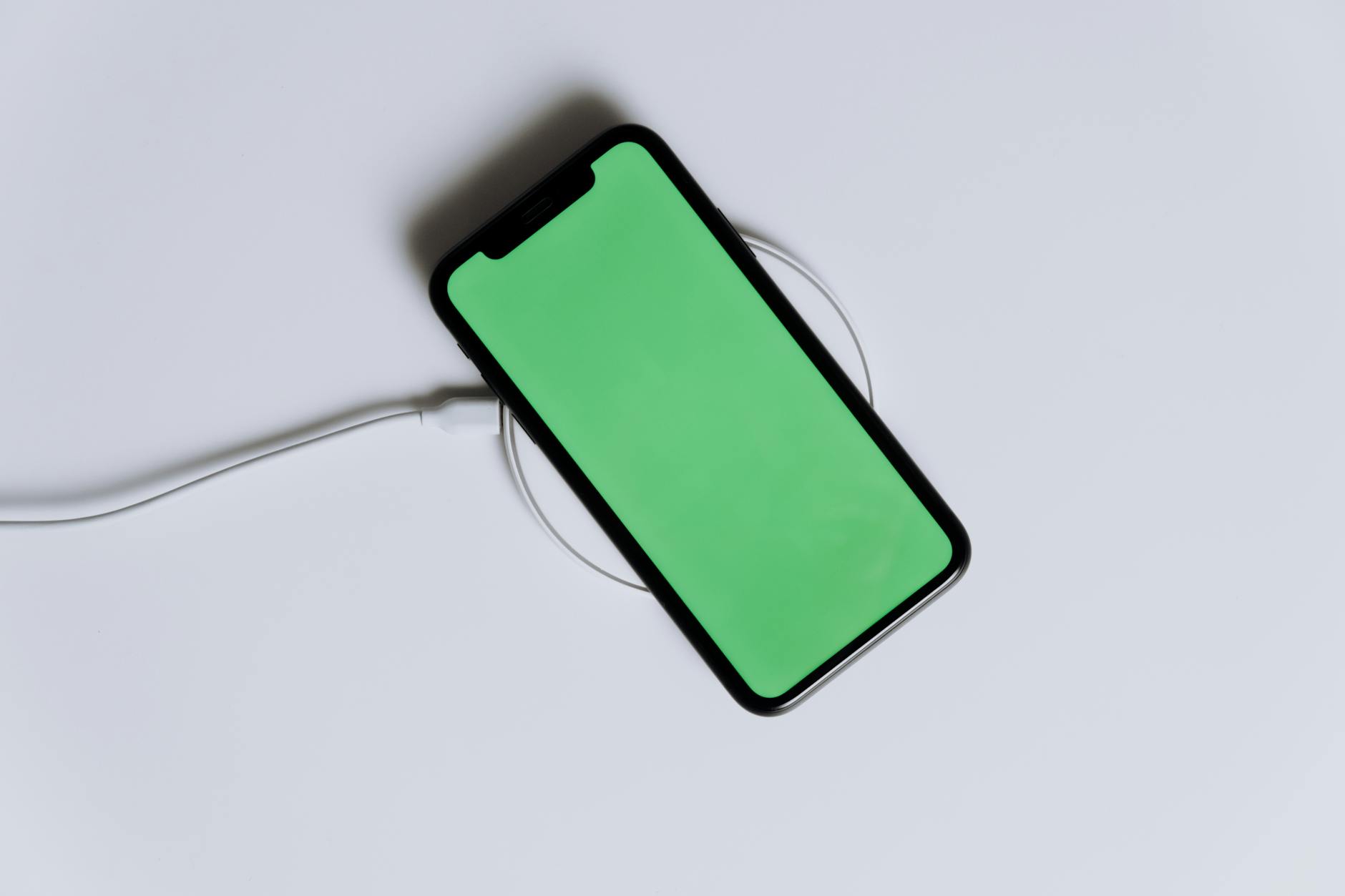
The intersection of mobile hardware and daily software habits continues to define the consumer technology landscape. As of mid-2026, two distinct trends highlight how technology companies capture user attention and address consumer needs: the refinement of portable power solutions and the steady expansion of daily digital puzzle platforms. While hardware manufacturers focus on keeping devices powered through sleek designs, media organizations are capturing the resulting screen time through bite-sized, habit-forming entertainment.
The Evolution of Portable Power
The mobile hardware market has recently seen significant updates, particularly within the Apple ecosystem. According to reporting from 9to5Mac, the introduction of the iPhone 17 and the newly branded iPhone Air has brought notable shifts to smartphone accessories. The most prominent development is Apple's decision to reintroduce its proprietary MagSafe battery pack to the market.
Priced at $99, this updated first-party accessory is optimized specifically for the new iPhone Air. The design philosophy behind the battery pack heavily prioritizes aesthetics and physical footprint. The device is notably slim, allowing it to seamlessly attach to the back of the sleek iPhone Air without adding excessive bulk. However, this design choice comes with functional compromises. As noted by 9to5Mac, the battery pack's slim profile results in a capacity that is "rather weak."
For consumers, this creates a clear trade-off between form and function. The primary appeal of the $99 Apple battery pack lies in its seamless integration and optimized fit for the iPhone Air. Yet, for users who require substantial power reserves to get through heavy daily usage, the first-party option may fall short.
This dynamic makes the broader accessory market increasingly vital. Specifically, Qi2 alternatives are becoming highly attractive options for iPhone 17 and iPhone Air users. The Qi2 standard, which mirrors the magnetic attachment and charging capabilities of MagSafe, allows third-party manufacturers to offer competitive battery banks. These alternatives often prioritize larger capacities, providing heavy users with the extra power that Apple's slim first-party pack lacks, while maintaining the convenience of magnetic wireless charging.
The Rise of the Daily Digital Puzzle
As hardware manufacturers work to keep devices powered, media platforms are fiercely competing for the screen time those batteries facilitate. The New York Times has emerged as a dominant force in this space, pivoting from traditional news delivery to establishing a highly popular suite of daily digital games. By late June 2026, the publication's gaming ecosystem has grown substantially, offering a variety of challenges that cater to different cognitive skills.
The cornerstone of this strategy is the integration of quick, daily challenges that encourage users to return to the platform every single day. According to CNET, the classic New York Times Mini Crossword continues to be a staple of this lineup. It offers a fast-paced vocabulary challenge that users can complete in minutes, fitting seamlessly into morning routines or short breaks.
However, the publication's expansion goes far beyond the traditional crossword format. Mashable highlights the ongoing popularity of Connections, a distinct word game that tasks players with identifying the hidden logic and finding the "common threads between words." Players are presented with a grid of words and must categorize them into four distinct groups based on shared characteristics. The game's straightforward premise masks a complex challenge, prompting widespread online discussion and the daily publication of hints and answers by various tech and entertainment outlets.
Diversifying the Gaming Portfolio
To maintain user engagement and prevent puzzle fatigue, The New York Times has aggressively diversified its offerings. This diversification strategy is evident in two key expansions reported in late June 2026.
First, the publication has spun off its successful Connections format into niche categories. According to CNET, the Connections: Sports Edition offers a specialized version of the word categorization game. Reaching puzzle No. 643 by June 28, the sports-focused variant demonstrates how media platforms can leverage successful game mechanics and apply them to specific interests, capturing distinct audience segments who might prefer athletic trivia over general knowledge.
Second, the gaming ecosystem is pushing beyond word-based puzzles entirely. According to Mashable, the newest addition to the New York Times game roster is a title called Pips. Rather than relying on vocabulary or word associations, Pips brings "domino fun to your desktop." This visual and numerical logic game represents a shift toward broader, universally accessible game mechanics. By incorporating domino-style play, the platform appeals to users looking for a different type of cognitive exercise.
Much like Connections and the Mini Crossword, Pips features varying levels of difficulty—including easy, medium, and hard modes. The consistent demand for hints and solutions across these titles highlights the communal aspect of digital puzzles. Players frequently turn to technology publications to guide them through challenging daily boards, reinforcing the interconnected relationship between tech media and digital gaming habits.
Practical Context for Consumers
For the modern consumer, these developments in hardware and digital media illustrate a broader narrative about daily tech interaction. The hardware layer, represented by the iPhone 17, iPhone Air, and the expanding market of MagSafe and Qi2 battery banks, is primarily concerned with sustaining usability. Users are forced to evaluate their specific needs—weighing the value of a $99, slim, low-capacity first-party charger against more robust third-party alternatives—simply to keep their devices operational.
Once powered, the software layer dictates how that operational time is spent. The New York Times' approach to digital gaming shows a keen understanding of modern attention spans. Instead of demanding hours of continuous engagement, games like the Mini Crossword, Connections, the Sports Edition, and the domino-based Pips are designed for brief, intense bursts of interaction.
Ultimately, the success of both the hardware accessories and the digital games relies on daily integration into the user's life. Whether it is snapping a magnetic battery pack onto a phone before leaving the house, or finding the common threads in a daily word puzzle during a commute, these products reflect a technology landscape focused on consistent, recurring utility.
Key Takeaways
- Apple has reintroduced a slim MagSafe battery pack optimized for the new iPhone Air, priced at $99.
- The first-party Apple battery pack features a weak capacity, making third-party Qi2 chargers an appealing alternative for heavy users.
- The New York Times continues to expand its digital gaming suite with Pips, a new desktop game based on domino mechanics.
- Targeted puzzles like Connections: Sports Edition highlight the media industry's strategy of utilizing specialized daily games to maintain user engagement.
Frequently asked questions
What is the new Apple MagSafe battery pack designed for?
The reintroduced $99 MagSafe battery pack is optimized specifically for the newly branded iPhone Air, prioritizing a slim design.
Does the Apple MagSafe battery pack have a large capacity?
No. According to 9to5Mac, while the battery pack is very slim, it is rather weak in capacity, which has prompted increased interest in alternative Qi2 chargers.
What is the New York Times game Pips?
Pips is a recently launched game from The New York Times that brings domino-based puzzle fun to desktop users, offering varying difficulties such as easy, medium, and hard.
- 01Mashable: NYT Pips hints, answers for June 28, 2026
- 029to5Mac: MagSafe battery banks: Best picks for your iPhone 17, iPhone Air, and more
- 03CNET: Today's NYT Connections: Sports Edition Hints and Answers for June 28, #643
This editorial article was written by US News Desk's editorial desk using current reporting from the publishers above. All facts were grounded against these sources.