The 2026 Consumer Tech Landscape: Hardware, Software, and EVs
*From Apple price hikes and Windows 10 support extensions to EV heatwave performance, the summer of 2026 brings pivotal shifts for consumers.*
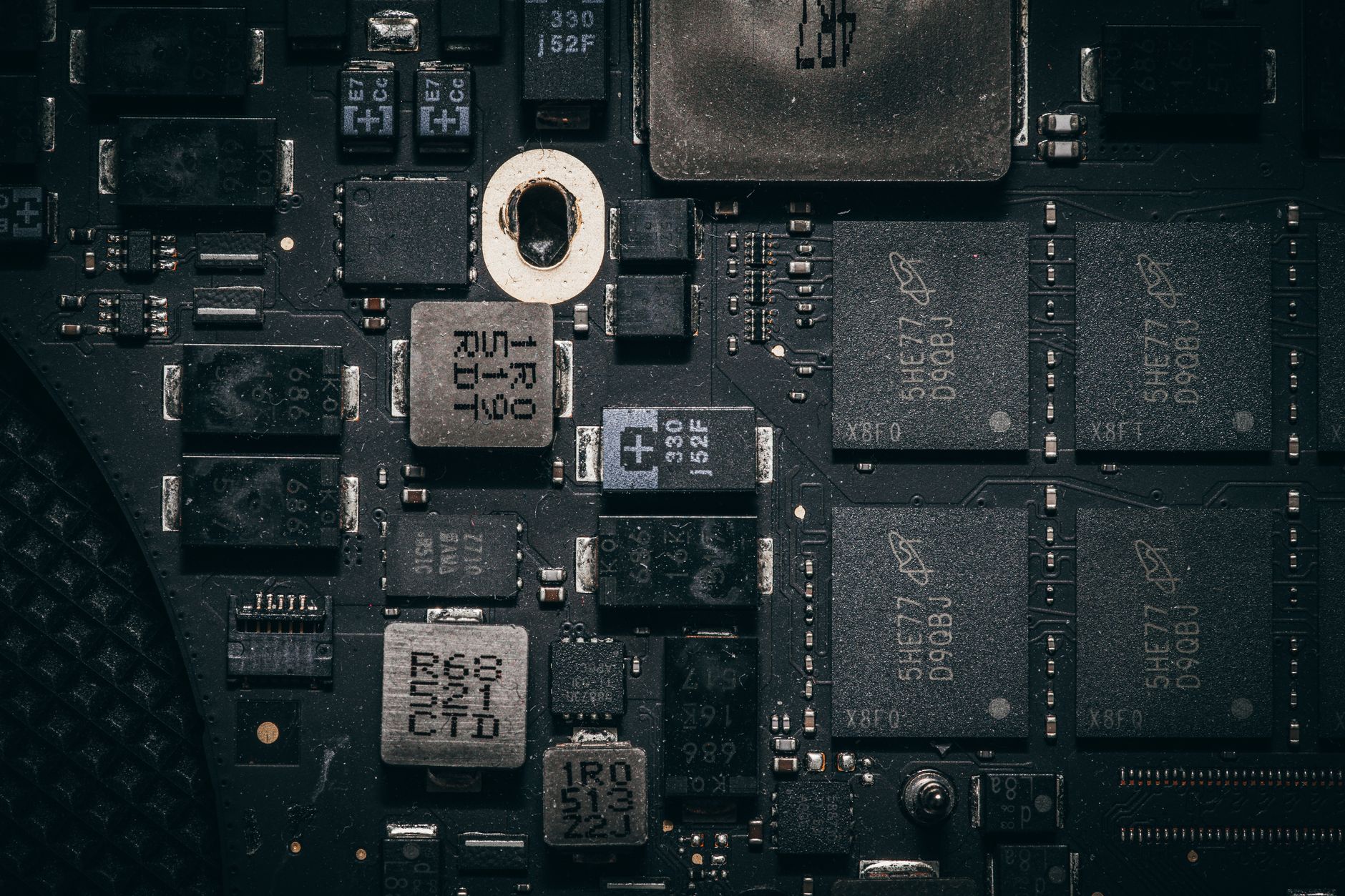
From Apple price hikes and Windows 10 support extensions to EV heatwave performance, the summer of 2026 brings pivotal shifts for consumers.
The summer of 2026 is proving to be a highly dynamic period for the consumer technology sector, presenting buyers and users with a complex mix of unexpected hardware pricing strategies, essential software lifelines, and environmental challenges for next-generation transit. As global supply chains continue to face ongoing turbulence and extreme weather patterns test the limits of modern engineering, consumers are navigating a rapidly shifting marketplace.
From premium tablet and laptop pricing adjustments to quiet reprieves for aging operating systems, recent reports highlight a critical need for consumers to stay informed. Furthermore, the physical realities of high temperatures are challenging the widespread adoption of electric vehicles, while massive digital culture conventions are demonstrating the immense real-world footprint of the internet creator economy.
The Hardware Market: Price Hikes and Surprising Discounts
Navigating the personal computer and tablet market requires careful timing for consumers hoping to maximize their purchasing power. According to reporting by The Verge, Apple has implemented a notable price increase across its broader lineup of iPads and MacBooks. This shift in the pricing structure for some of the world's most popular consumer electronics means that acquiring the latest hardware directly from the manufacturer will require a larger financial commitment.
However, this adjustment has created a temporary window of opportunity for observant buyers. Retailers holding existing stock are currently selling their inventory at the previous, lower prices. As noted by The Verge, this dynamic allows consumers to secure highly competitive deals on current iPad models before the older inventory is entirely depleted and the new pricing standard becomes universal across all storefronts.
The broader computing landscape is still grappling with an ongoing component crisis, which has broadly made it a difficult time for consumers seeking new, affordable hardware. Yet, amidst these supply chain bottlenecks, there are pockets of positive news for niche hardware communities.
Framework, a company known for its modular computing approach, recently announced an unexpected price reduction for preorders of its Framework Laptop 13 Pro. The Verge reports that the company's CEO has described this specific device as the ideal "MacBook Pro for Linux users." For early adopters who have been waiting in the preorder queue for this specialized laptop, the announcement means their final purchase price will be lower than initially anticipated, providing a rare bright spot in an otherwise constrained and increasingly expensive hardware market.
Extended Lifelines for Legacy Software
While the hardware market faces fluctuating costs and supply chain disruptions, the software ecosystem is witnessing its own critical developments, particularly regarding longevity and consumer security. Millions of global users continue to rely on aging operating systems for their daily personal and professional computing needs.
According to ZDNet, Microsoft has quietly delivered a significant benefit to its vast user base by extending the free Extended Security Update (ESU) program for consumers running Windows 10. The company has granted an additional full year of support to the legacy operating system.
This decision carries substantial implications for the average consumer. Operating system transitions often require newer hardware to meet strict technical specifications. By extending the life of Windows 10 with free security patches for another year, Microsoft is effectively allowing consumers to safely delay purchasing new computers. This reprieve not only eases the financial burden on users during a period of hardware price hikes but also ensures that devices remaining in active use are protected against emerging digital threats and vulnerabilities without requiring a paid subscription for security maintenance.
Electric Vehicles Facing Extreme Heat
Beyond personal computing, consumer technology intersects directly with transportation, where new environmental realities are challenging modern engineering. The transition toward electric vehicles (EVs) has been heavily scrutinized regarding battery performance in freezing weather, as extreme cold notoriously reduces range and efficiency. However, the severe summer heatwaves of 2026 are proving that high temperatures present their own distinct operational hurdles.
Reporting from Autocar highlights the direct impact of searing heat on electric vehicle functionality, specifically tracking the performance of a Renault 4 EV coping with ambient temperatures reaching 34 degrees Celsius (approximately 93 degrees Fahrenheit).
While consumers are generally well-informed about the wintertime range hit associated with electric cars, the hot weather brings equivalent thermal management challenges. Electric vehicle batteries must be kept within an optimal temperature window to operate efficiently and safely. When temperatures exceed 30 degrees Celsius, the vehicle must expend significant energy simply to cool the battery pack and maintain cabin climate control for the driver.
As Autocar notes, for many drivers experiencing these fierce temperatures, the initial novelty of abundant sunshine wears off quickly as they face increased energy consumption and the resulting range anxiety. This phenomenon underscores a crucial reality for the automotive industry: engineering electric vehicles for mass adoption requires robust thermal management systems capable of handling the increasing frequency of extreme summer heatwaves just as effectively as deep winter freezes.
The Physical Manifestation of Digital Culture
While hardware pricing, software security, and vehicle efficiency dominate the practical side of consumer technology, the cultural impact of the digital sphere remains incredibly powerful. The creator economy and internet culture continue to bridge the gap between online spaces and physical events, drawing massive crowds and driving significant economic activity.
This convergence is most visible at large-scale industry gatherings. Mashable reports that VidCon 2026 has returned in full force to Anaheim, California. Widely recognized as the internet's biggest weekend, the event serves as the premier convention for the digital entertainment sector.
The convention features a dense schedule of panels, highly anticipated fan moments, and direct access to top-tier online creators. By bringing together the personalities that dominate modern internet culture and the fans who support them, VidCon highlights how digital media consumption has evolved from a solitary, screen-based activity into a major driver of physical tourism and in-person community building.
Events like VidCon are essential barometers for the technology industry, showcasing where consumer attention is currently focused and hinting at how digital platforms must evolve to support the ever-growing creator economy.
Navigating the Months Ahead
For consumers, the remainder of 2026 will require a strategic approach to technology adoption and maintenance. Key considerations include:
- Timing Hardware Purchases: Monitoring retail stock closely to take advantage of previous pricing tiers before new, higher manufacturer suggested retail prices take full effect across the board.
- Maximizing Software Lifespans: Taking full advantage of extended security programs, such as the Windows 10 ESU extension, to safely prolong the life of existing computer hardware.
- Managing EV Expectations: Recognizing the tangible impact of extreme summer heat on electric vehicle range and planning transit accordingly, acknowledging that hot weather requires just as much battery management as cold weather.
- Understanding Digital Trends: Keeping an eye on cultural gatherings like VidCon to understand the shifting landscape of digital media and content creation.
Ultimately, whether mitigating the costs of a component crisis, securing legacy operating systems, or managing vehicle range in a heatwave, staying informed remains the modern consumer's most valuable tool.
Key Takeaways
- Apple has raised prices across its iPad and MacBook lines, though consumers can still find older inventory at lower prices through various retailers.
- Despite a broader component crisis, Framework has reduced the preorder cost for its Framework Laptop 13 Pro.
- Microsoft has quietly extended its free Extended Security Update (ESU) program for Windows 10 consumers by an additional year.
- Extreme summer heatwaves, with temperatures exceeding 30 degrees Celsius, are negatively impacting electric vehicle range and battery efficiency.
- VidCon 2026 has returned to Anaheim, cementing its status as a major cultural event bridging online creators and physical fan communities.
Frequently asked questions
Are iPads and MacBooks getting more expensive?
Yes, Apple has increased prices across its iPad and MacBook lineups. However, retailers are currently still selling existing stock at the older, lower prices.
Will Windows 10 continue to receive security updates?
Microsoft has extended the free Extended Security Update (ESU) program for Windows 10 consumers by one full year, ensuring continued protection against vulnerabilities.
Do electric vehicles lose range in hot weather?
Yes. Just as extreme cold impacts battery performance, extreme heat (such as temperatures exceeding 30 degrees Celsius) negatively affects EV range due to the energy required for thermal management and cabin cooling.
- 01Autocar: Electric car vs heatwave: Can my Renault 4 cope in 34 degrees?
- 02The Verge: You won’t have long to get these iPad deals before Apple’s price hike
- 03ZDNet: Your Windows 10 PC just quietly got another year of free support - but why?
- 04Mashable: VidCon 2026: Live updates from the internets biggest weekend
This editorial article was written by US News Desk's editorial desk using current reporting from the publishers above. All facts were grounded against these sources.