The Changing 2026 Market: Discontinued Sports Cars and the Rise of Affordable EVs
*As iconic models like the Lexus LC face retirement, the automotive and consumer tech markets are shifting toward affordable electric alternatives and navigating fluctuating retail prices.*
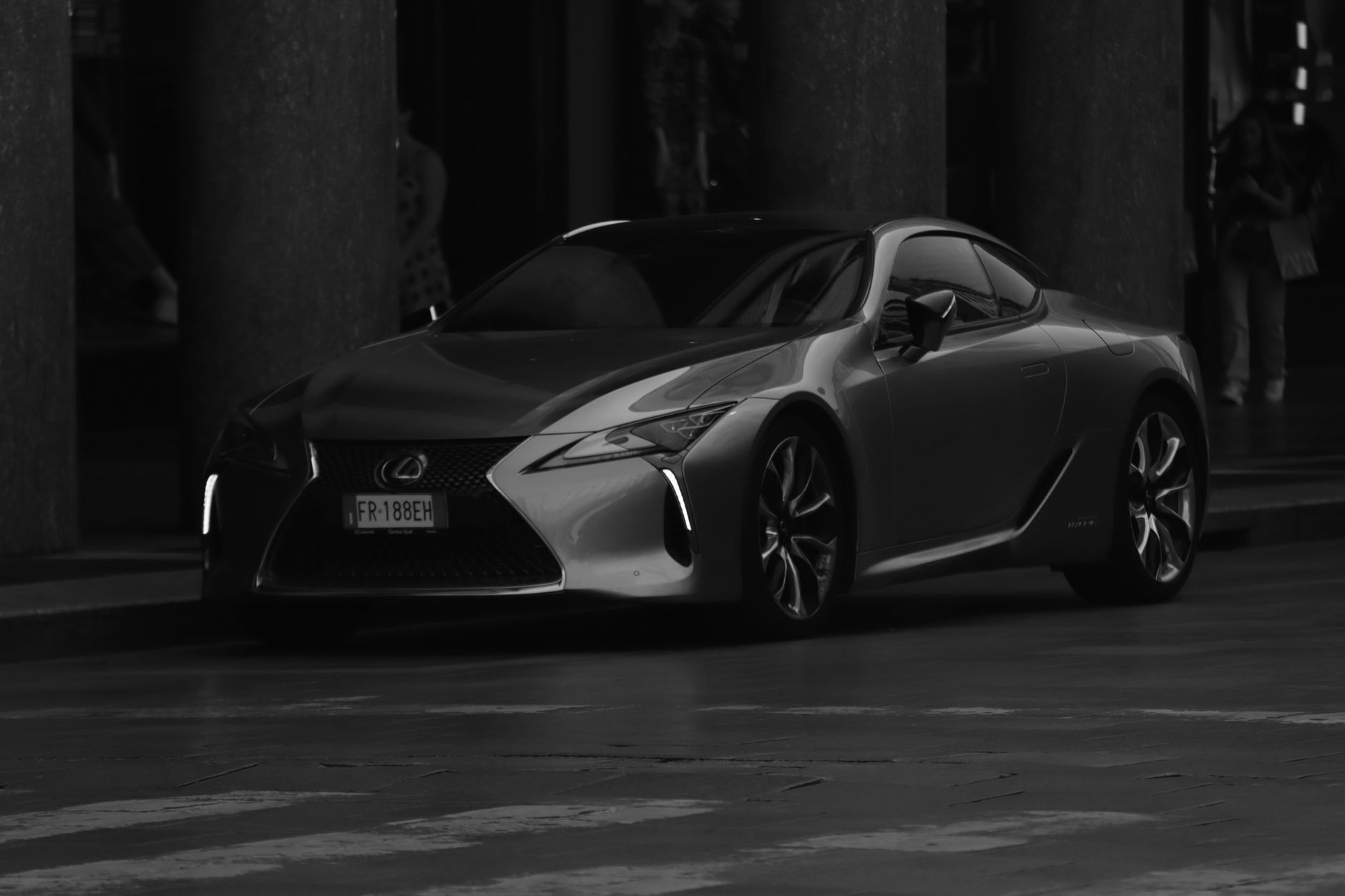
As iconic models like the Lexus LC face retirement, the automotive and consumer tech markets are shifting toward affordable electric alternatives and navigating fluctuating retail prices.
For the modern consumer, navigating the shifting landscape of vehicles and personal technology requires keeping a close eye on industry trends. As we approach the 2027 model year, the automotive market is undergoing a significant transformation. Automakers are simultaneously sunsetting beloved internal combustion sports cars while racing to introduce more affordable electric vehicles. At the same time, the broader consumer technology sector is dealing with price fluctuations and shifting retail events.
Whether you are looking to purchase a new vehicle or simply upgrading your daily tech gadgets, understanding these intertwined market dynamics is essential. The transition away from legacy automotive platforms and the ongoing evolution of electric vehicle technology highlight a pivotal moment in global manufacturing and consumer retail.
Saying Goodbye to the Lexus LC and Other Icons
The automotive industry is preparing to bid farewell to several notable nameplates. According to reporting from Car and Driver, a number of highly regarded sports cars and legacy vehicles will be officially dead for the 2027 model year.
Among the vehicles slated for discontinuation are:
- The Lexus LC
- The BMW Z4
- The Toyota GR Supra
The retirement of the Lexus LC marks the end of an era for a flagship luxury coupe known for its striking design and powerful internal combustion engine options. Similarly, the departure of the BMW Z4 and the Toyota GR Supra—two vehicles that share a development platform—signals a broader retreat by major automakers from the niche, two-door sports car segment.
For consumers and enthusiasts alike, the loss of these vehicles represents the changing priorities of global automakers. As manufacturing resources are increasingly diverted toward electrification and the development of utility vehicles, lower-volume sports cars are frequently the first to be cut from production lines. Buyers hoping to secure one of these final-generation models will need to act before dealer inventories are depleted ahead of the 2027 model year.
The Rise of the Affordable Electric Truck
As traditional sports cars exit the stage, new forms of transportation are attempting to capture the market's attention. One of the most significant barriers to widespread electric vehicle adoption has historically been high purchase prices. However, that paradigm is beginning to shift dramatically.
According to InsideEVs, a major new entry has arrived in the form of the Slate Truck. Priced at just $25,000, the Slate Truck is currently positioned as America's new cheapest electric vehicle. Reaching the $25,000 price point has long been considered a critical milestone for automakers hoping to attract mainstream buyers who have been priced out of the luxury EV market.
However, bringing an affordable EV to market is only the first step. The InsideEVs Plugged-In podcast recently analyzed the launch of the Slate Truck, debating whether a vehicle at this price point can truly succeed in the long term. Achieving profitability on lower-priced electric vehicles requires immense manufacturing scale and strict cost controls, particularly regarding battery sourcing. If the Slate Truck can maintain its base price while delivering adequate performance, it could serve as a catalyst for a new wave of budget-friendly electric utility vehicles across the United States and beyond.
Extreme Weather and Electric Vehicle Performance
While the push for affordable electric vehicles continues, drivers are also learning how to manage EVs in a wider variety of real-world environmental conditions. It is widely understood that electric vehicles experience a reduction in battery range during freezing temperatures, but hot weather poses its own unique set of operational challenges.
According to Autocar, extreme summer heatwaves can significantly impact an electric vehicle's real-world usability. During recent testing with a Renault 4 in sweltering 34-degree Celsius (approximately 93 degrees Fahrenheit) temperatures, drivers noted that the novelty of the fierce sunshine quickly wore off as the vehicle struggled to cope with the heat.
High temperatures force a vehicle's climate control systems to work overtime to keep the cabin comfortable for passengers. Air conditioning requires a substantial amount of electrical energy, which is drawn directly from the vehicle's high-voltage battery. Furthermore, electric vehicle battery packs feature complex thermal management systems designed to prevent the cells from overheating. In extreme heat, these liquid cooling systems must run continuously, drawing even more power and effectively reducing the vehicle's maximum driving range. Understanding these limitations is crucial for consumers transitioning to electric vehicles, particularly in regions prone to intense summer heatwaves.
Broader Consumer Tech Trends and Retail Shifts
The economic pressures driving changes in the automotive sector are also highly visible in the consumer electronics market. Supply chain adjustments and inflation continue to influence how tech giants price their core products, forcing consumers to be increasingly strategic about when and where they shop.
According to The Verge, Apple has recently raised prices across its popular iPad and MacBook lineups. This upward pricing adjustment on flagship personal computing devices makes securing discounts more critical than ever for budget-conscious shoppers. Fortunately, the timing of these price hikes has coincided with major retail events.
The Verge notes that while Apple’s official prices have increased, many third-party retailers are still selling off their existing inventory at the old prices, and in some cases, offering steep discounts. This temporary market inefficiency provides a brief window for consumers to score deals on iPads and MacBooks before the higher pricing structure becomes uniform across the entire retail ecosystem.
Simultaneously, retail giants are extending their promotional periods to capture consumer spending. Amazon is currently in the midst of a massive four-day Prime Day event. According to The Verge's coverage of the event's second day, many of the best technology deals from day one have carried over, joined by fresh discounts.
Whether the product is a $25,000 electric truck, an outgoing luxury sports car, or a discounted tablet, the modern consumer market requires agility. By staying informed about which vehicles are being phased out, understanding the practical realities of emerging electric technologies, and tracking shifting retail prices, buyers can make informed decisions in a rapidly changing economy.
Key Takeaways
- Major automakers are discontinuing several iconic sports cars for the 2027 model year, including the Lexus LC, BMW Z4, and Toyota GR Supra.
- The newly introduced Slate Truck has hit the US market with a base price of $25,000, making it the cheapest electric vehicle currently available in America.
- Electric vehicles face significant operational challenges during extreme summer heatwaves, as climate control and battery cooling systems drain the vehicle's effective driving range.
- Apple has implemented price hikes across its iPad and MacBook lineups, though third-party retailers and events like Amazon's four-day Prime Day still offer temporary opportunities for discounts.
Frequently asked questions
Which vehicles are being discontinued for the 2027 model year?
According to Car and Driver, several notable vehicles are being phased out for 2027, including the Lexus LC luxury coupe, the BMW Z4, and the Toyota GR Supra.
What is the new cheapest electric vehicle in the United States?
The Slate Truck is currently America's cheapest new EV, featuring a starting price of $25,000. Industry analysts are closely monitoring the vehicle to see if an EV at this low price point can be a long-term success.
Do electric vehicles lose driving range in hot weather?
Yes. While cold weather range loss is commonly discussed, extreme heatwaves (such as temperatures reaching 34 degrees Celsius) also negatively impact EV range. This is largely due to the energy required to run the cabin air conditioning and the battery's active thermal cooling systems.
Did Apple recently raise prices on its devices?
Yes, according to The Verge, Apple has increased prices across its iPad and MacBook lineups. However, consumers can still find deals through retailers clearing out old inventory or during major sales events like Amazon Prime Day.
- 01Autocar: Electric car vs heatwave: Can my Renault 4 cope in 34 degrees?
- 02Car and Driver: These Vehicles Are Dead for 2027
- 03InsideEVs: PODCAST: The $25K Slate Truck Is Here. What's Next?
- 04The Verge: The top tech Prime Day deals to shop on day two
This editorial article was written by US News Desk's editorial desk using current reporting from the publishers above. All facts were grounded against these sources.