The Evolution of the American SUV: Hybrids, Alternative Fuels, and the Modern Road
*As the nation reflects on its automotive history, modern drivers are pivoting toward affordable, tech-forward hybrid SUVs amidst a changing infrastructure.*
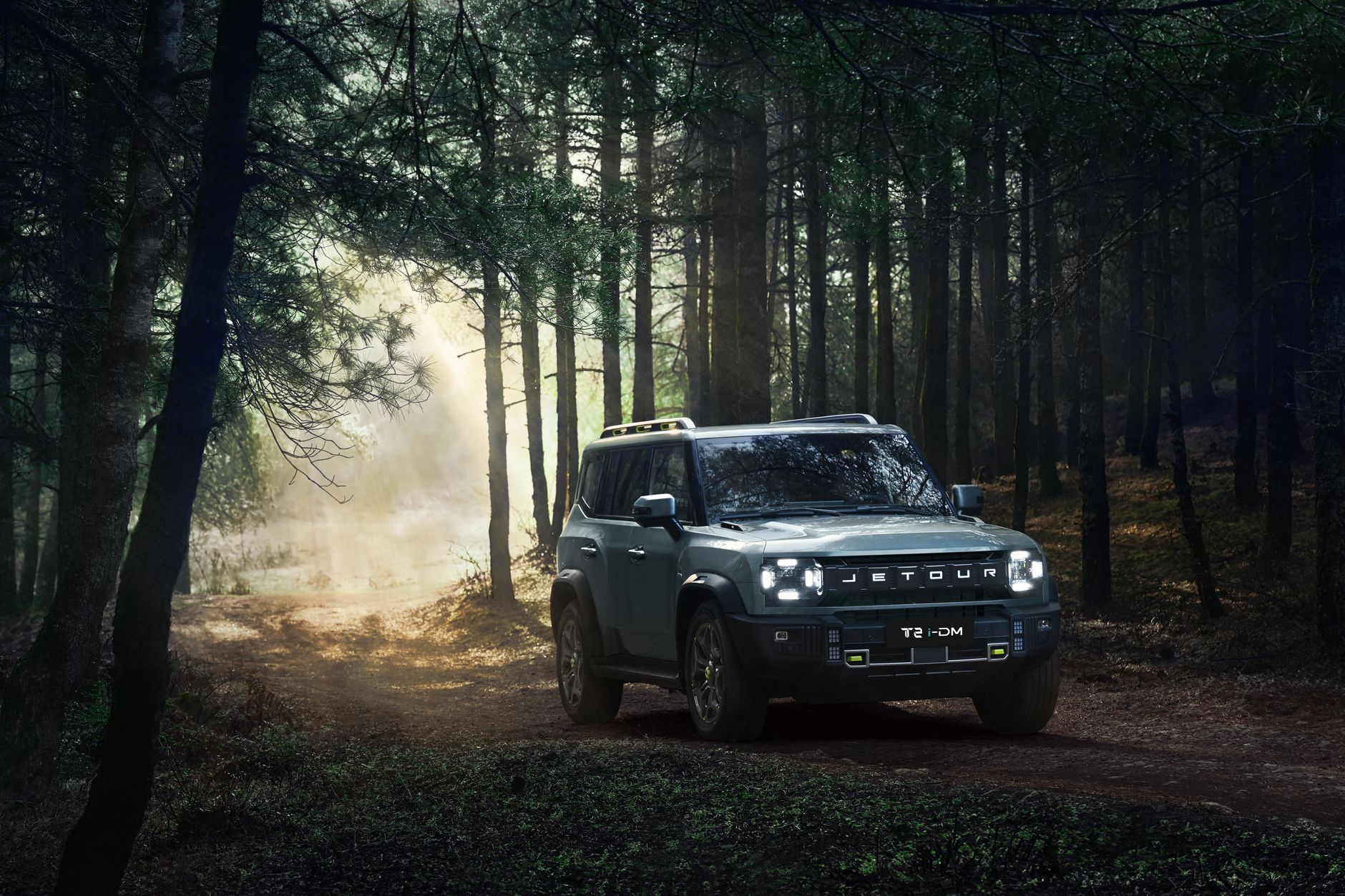
As the nation reflects on its automotive history, modern drivers are pivoting toward affordable, tech-forward hybrid SUVs amidst a changing infrastructure.
The Great American Automotive Experiment
The relationship between the United States and the automobile is one of the most defining cultural narratives of the modern era. As the nation approaches significant historical milestones, automotive enthusiasts and cultural critics alike are debating which vehicles truly define the American experience. Recently, Jalopnik posed a philosophical question to its readers: Which American car best epitomizes the country's great—or perhaps failed—250-year experiment of existence?
The answers to that question highlight a massive shift in consumer priorities over the decades. The American road was once dominated by roaring V8 engines, aggressive styling, and a pursuit of raw power. Today, however, the landscape is dictated by utilitarian needs, technological integration, and fuel efficiency. While nostalgia remains a powerful force in the automotive world, the realities of modern commuting and family transportation have crowned the sport utility vehicle—and increasingly, the hybrid SUV—as the true monarch of the American highway.
From Trans Am Envy to Everyday Utility
To understand the current dominance of the practical SUV, it is helpful to look back at the historical trends that once captivated the American car buyer. The late 1970s represented a distinct era of automotive design, heavily influenced by pop culture and the desire for sporty aesthetics, even as fuel crises loomed in the background.
According to reporting from Car and Driver, domestic automakers during that period fell heavily under the spell of the Pontiac Trans Am. This cultural phenomenon was so pervasive that even American Motors (AMC) attempted to capture some of that magic. The result was vehicles like the 1979 AMC Spirit AMX, a car born directly out of what automotive historians might term "Trans Am envy." Recently featured on the popular collector auction platform Bring a Trailer, the AMC Spirit AMX serves as a rolling time capsule. It represents an era when aggressive decals, wide stances, and the illusion of speed were enough to capture the public's imagination.
However, the priorities of the modern driver have shifted drastically away from the muscle and pony cars of the late 1970s. Today, buyers are looking for vehicles that can handle the rigors of daily life, long highway commutes, and fluctuating fuel prices without breaking the bank. The emotion-driven purchases of the AMC Spirit AMX era have been largely replaced by data-driven decisions focused on safety, reliability, and cargo space.
The Rise of the Affordable Hybrid SUV
The modern automotive market is fiercely competitive, and the most popular segment by far is the sport utility vehicle. Within that category, hybrid SUVs are emerging as the ultimate pragmatic choice for consumers who want the space of a traditional SUV paired with the fuel economy of an electrified drivetrain.
A recent analysis by Jalopnik highlights just how accessible this technology has become. Consumers no longer need to spend luxury-level prices to acquire highly capable, efficient family haulers. According to the publication, buyers can easily find a selection of at least five new hybrid SUVs for well under the $50,000 threshold. In fact, these highly rated vehicles are available brand new for under $40,000.
When modern buyers shop for an SUV, they are typically looking for a specific combination of features that these new hybrids deliver perfectly:
- Accessible Pricing: With base prices remaining under $40,000 new, these vehicles represent a highly competitive option for families facing broad economic pressures.
- Advanced Technology: Today's buyers expect seamless digital integration, advanced driver-assistance systems, and intuitive infotainment. These affordable hybrids boast some of the most impressive technological suites in their class.
- Everyday Practicality: From ample cargo space for groceries and sports equipment to flexible passenger seating arrangements, the core utilitarian appeal of the SUV remains fully intact.
- Proven Reliability: Perhaps the most critical factor for long-term ownership is durability. Jalopnik notes that these top hybrid choices all feature above-average reliability ratings from Consumer Reports, providing peace of mind for buyers looking to avoid costly dealership repairs.
This combination of affordability, cutting-edge tech, and validated Consumer Reports reliability is exactly why the hybrid SUV is rapidly becoming the defining vehicle of the modern era.
A Changing Refueling Infrastructure
The evolution of the American road is not limited to the vehicles themselves; the infrastructure that powers them is also undergoing a quiet but massive transformation. While everyday consumers are adopting hybrid SUVs to reduce their gasoline consumption at the pump, major fuel suppliers are exploring alternative energy sources on an industrial scale.
According to Jalopnik, the owner of Marathon gas stations—one of the largest and most recognizable fuel chains in the United States—is currently pouring millions of dollars into renewable energy initiatives. Specifically, the company is focusing heavily on producing diesel fuel derived from soybeans.
While traditional petroleum products still dominate the market, this pivot toward renewable biodiesel represents a significant shift in corporate strategy. As Jalopnik notes, this multi-million dollar investment in soybean-to-diesel technology makes complete financial and logistical sense once you analyze the underlying numbers. For an international observer looking at the US market, this highlights a dual-track approach to transportation sustainability: everyday passenger vehicles are moving toward battery-assisted hybrid drivetrains, while commercial and heavy-duty transport networks are looking to agricultural innovations like soybean diesel to keep supply chains moving.
The Monitored Highway: Surveillance and Privacy
As vehicles become more efficient and alternative fuels begin to enter the mainstream supply chain, the actual physical experience of driving across the United States is changing in a more controversial way. The concept of the open road has long been synonymous with personal freedom, but modern technology is rapidly transforming highways and suburban streets into heavily monitored environments.
According to Jalopnik, hundreds of thousands of surveillance cameras are currently popping up all over the United States. A significant portion of this network consists of automated systems like Flock cameras, which are designed to capture, log, and track vehicle movements. Law enforcement agencies and private homeowner associations frequently deploy these systems to monitor traffic and deter crime, but their rapid proliferation has sparked a fierce debate about civil liberties and digital privacy.
There is growing public pushback against these widespread efforts to track the everyday movements of American citizens. In response to this vast surveillance network, privacy advocates and tech-savvy citizens have launched grassroots data initiatives. One notable example is DeFlock, an open-source project dedicated to identifying and actively mapping the locations of Flock cameras across the country.
For the driver of a modern hybrid SUV, navigating the landscape now means accepting—or actively monitoring—a digital footprint. The physical road may be paved with the same asphalt as it was during the era of the 1979 AMC Spirit AMX, but the surrounding environment is entirely different. Today's driving experience is a complex intersection of highly efficient automotive technology, renewable agricultural fuels, and a pervasive surveillance network that watches every mile of the journey.
The Road Ahead
The long-standing experiment of the American nation is perfectly mirrored in its automotive evolution. The raw, aggressive nostalgia of late-1970s pony cars has given way to an era defined by practicality, efficiency, and advanced engineering. Today's most sensible vehicle concepts are affordable, highly reliable hybrid SUVs that comfortably transport families and cargo for under $40,000.
Yet, as the vehicles improve and the commercial fuel supply chain innovates with soybean-based biodiesel, drivers must also navigate the new realities of a highly surveilled infrastructure. The modern road is perhaps safer and more fuel-efficient than ever before, but as open-source mapping projects prove, it is also a far more complex ecosystem to travel.
Key Takeaways
- Consumer demand has shifted from the muscle and pony cars of the 1970s to highly practical, tech-forward hybrid SUVs.
- Buyers can currently find top-rated new hybrid SUVs with above-average Consumer Reports reliability for under $40,000.
- Major fuel networks, such as the owner of Marathon gas stations, are investing millions into alternative fuels like soybean-based renewable biodiesel.
- The modern driving experience involves navigating a vast network of surveillance, prompting privacy advocates to create open-source maps of Flock cameras.
Frequently asked questions
Are there affordable hybrid SUVs on the market today?
Yes. Recent reporting indicates that buyers can find at least five highly practical new hybrid SUVs equipped with impressive technology for under $40,000.
What is soybean biodiesel?
Soybean biodiesel is a renewable alternative to traditional petroleum diesel. Major fuel suppliers, including the owner of Marathon gas stations, are investing millions into converting soybeans into commercial fuel.
What is the DeFlock project?
DeFlock is an open-source project created by privacy advocates to map the locations of hundreds of thousands of Flock surveillance cameras that track everyday vehicle movements across the U.S.
- 01Car and Driver: 1979 AMC Spirit AMX on Bring a Trailer Has Trans Am Envy
- 02Jalopnik: The Owner Of Marathon Gas Stations Is Making Diesel From Soybeans
This editorial article was written by US News Desk's editorial desk using current reporting from the publishers above. All facts were grounded against these sources.