The Evolving Landscape of National Security: Cyber Threats, Supply Chains, and Military Leadership
*As global conflicts and cyber threats evolve, the boundary between consumer technology, financial markets, and national defense continues to blur.*
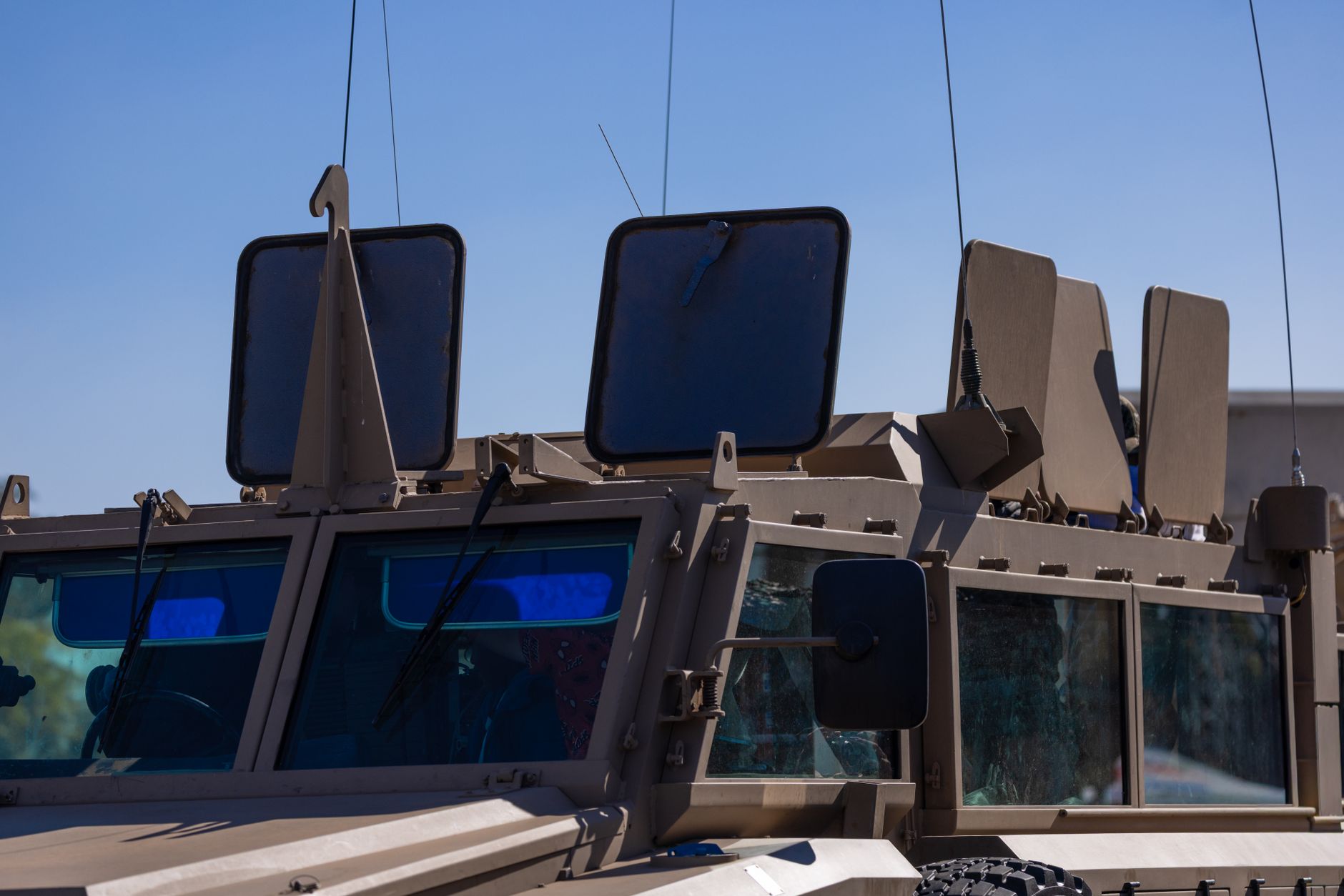
As global conflicts and cyber threats evolve, the boundary between consumer technology, financial markets, and national defense continues to blur.
The modern definition of military readiness extends far beyond traditional battlefields, encompassing everything from international electronics supply chains to the wireless routers sitting in civilian living rooms. As geopolitical tensions shift globally, the United States finds itself navigating complex intersections of defense strategy, domestic political stability, and rapid technological advancement.
Recent developments underscore how deeply military operations and national security concerns are woven into daily life. From high-level personnel changes at the Pentagon to cyber espionage targeting household electronics, the defense apparatus is facing unprecedented modern challenges. Understanding these shifts provides a critical window into how governments and private industries attempt to secure infrastructure while managing overlapping international relationships.
The Tech Supply Chain and Military Alliances
One of the most persistent challenges in modern defense is the globalization of technology manufacturing. Consumer electronics giants frequently rely on complex international supply chains that can run afoul of national security restrictions. According to reporting from Engadget, based on insights from the Financial Times, Apple is actively navigating these very hurdles regarding its hardware components.
The technology manufacturer is reportedly seeking clearance from the Trump administration to purchase microchips from a Chinese company that is currently blacklisted by the United States. This restriction exists because the supplier is linked directly to the Chinese military.
This development highlights the delicate balancing act international corporations must perform. On one hand, companies require steady, scalable component supplies to meet global consumer demand. On the other hand, national governments are increasingly utilizing trade blacklists to ensure that foreign military entities do not financially benefit from, or gain embedded access to, Western technology networks. Navigating these regulatory guardrails requires extensive negotiation with federal authorities to secure waivers or special clearances.
Cyber Espionage in the Living Room
While international supply chains represent a macro-level security concern, digital warfare is simultaneously playing out on a micro-level in civilian homes. State-sponsored cyber threats no longer focus exclusively on government servers or major infrastructure grids; they are increasingly targeting vulnerable consumer devices to build covert networks.
Recent reporting by CNET detailed a sweeping cyber operation in which Russian military intelligence targeted and compromised home routers across 23 different US states. Routers often serve as the weak link in residential cybersecurity, rarely receiving the enterprise-grade monitoring or regular software updates that protect corporate environments.
In an effort to neutralize the threat, the FBI actively intervened, successfully cutting off Russian access to thousands of compromised US routers. However, cybersecurity experts note that federal intervention is only a partial solution. The FBI's action disrupted the immediate unauthorized access, but that fix remains temporary unless individual device owners take further action. To permanently secure their networks against these foreign military intrusions, consumers are required to complete a series of five specific security steps, such as updating firmware and changing default credentials. This incident underscores how ordinary citizens are increasingly drafted into the frontline defense against international intelligence operations.
Shifting Leadership at the Pentagon
Beyond technological vulnerabilities, the administrative and leadership structures of the US military are currently undergoing significant scrutiny. Stable leadership within the armed forces is generally considered vital for maintaining national security and international deterrence.
According to CBS News, the military has experienced a string of high-level officers exiting their posts during the second Trump administration. These sudden departures have sparked conversations among lawmakers regarding the stability of the Department of Defense and the mechanisms governing military appointments and terminations.
In response to this turnover, Senator Tim Kaine recently stated that establishing legislative guardrails on Pentagon firings could attract bipartisan support in Congress. Proponents of such measures argue that implementing structural protections for high-ranking military officials prevents the politicization of the armed forces and ensures continuity in global defense strategies. The potential for bipartisan cooperation on this issue reflects a shared, cross-party interest in maintaining a stable, reliable chain of command during periods of complex global tension.
The Financialization of Armed Conflict
The intersection of military operations and financial markets has also introduced new ethical and legal dilemmas. Intelligence regarding impending military actions or geopolitical shifts is highly sensitive, yet the financial markets offer numerous avenues to profit from such information.
A recent "60 Minutes" report from CBS News highlighted a growing phenomenon referred to as "Betting on War." Investigators have noted a suspiciously high win rate on financial bets tied directly to the outcomes of military operations.
This pattern of highly successful wagers is seen as a likely sign of insider trading. When individuals with advanced or classified knowledge of military movements leverage that information in financial or prediction markets, it raises severe national security and regulatory concerns. Monitoring and prosecuting this specific brand of insider trading requires deep coordination between military intelligence agencies and financial regulatory bodies, adding another layer of complexity to the modern defense apparatus.
Domestic Repercussions of Global Military Action
Finally, the actions of foreign militaries frequently trigger intense domestic fallout, affecting civilian discourse and political stability. International conflicts are debated heavily on a local level, sometimes leading to direct confrontations involving elected officials.
A stark example of this domestic friction occurred recently in California. According to CBS News, California congressional candidate and state Senator Scott Wiener was forced to leave a pro-trans rights march after being aggressively berated by protesters regarding the conflict in Gaza.
Senator Wiener, who is Jewish, has publicly stated his belief that Israel's military actions have amounted to genocide. Despite his stated positions, the intense atmosphere surrounding international military conflicts often results in hostile public environments for lawmakers. Following the confrontation, Wiener stated that the protesters' behavior "went beyond free speech." This incident illustrates how global military operations do not exist in a vacuum; they deeply permeate domestic civic life, complicating local governance and public safety for politicians navigating overlapping international and domestic crises.
Conclusion
From the microchips powering our smartphones to the leadership structures within the Pentagon, the scope of military and defense issues in 2026 is vast and deeply interconnected. As foreign intelligence agencies target residential internet connections and lawmakers attempt to secure the defense supply chain, it is clear that modern national security requires vigilance on multiple fronts. Whether managing international trade blacklists, preventing the financial exploitation of armed conflict, or navigating the intense domestic politics of overseas wars, both citizens and governments must continually adapt to this shifting security landscape.
Key Takeaways
- Apple is reportedly seeking federal clearance to purchase hardware chips from a US-blacklisted Chinese company linked to the Chinese military.
- The FBI recently disrupted a Russian military intelligence operation that had compromised thousands of home internet routers across 23 US states.
- Bipartisan support is building in Congress to establish guardrails on Pentagon firings following an exodus of high-level military officers during the second Trump administration.
- Financial regulators are investigating high win rates on bets tied to military operations, which strongly indicate insider trading based on classified knowledge.
- International military conflicts continue to spark intense domestic political confrontations, complicating the public lives of state and federal lawmakers.
Frequently asked questions
Why is Apple seeking clearance from the Trump administration?
Apple is seeking clearance to buy microchips from a Chinese company that is currently blacklisted by the United States due to its ties to the Chinese military.
How did the FBI respond to the Russian router hack?
The FBI intervened to cut off Russian military intelligence access to thousands of compromised home routers across 23 states. However, consumers must take further manual steps to ensure the fix is permanent.
What is Congress proposing regarding Pentagon leadership?
Senator Tim Kaine has noted that there may be bipartisan support for creating guardrails around Pentagon firings to ensure stability, following a string of high-level military exits.
- 01Engadget: Apple is reportedly looking to buy chips from a US-blacklisted Chinese company
- 02CNET: Your Home Router Was a Target of Russian Military Intelligence. Here's What to Do Now
- 03CBS News: Kaine says guardrails on Pentagon firings could see bipartisan support
This editorial article was written by US News Desk's editorial desk using current reporting from the publishers above. All facts were grounded against these sources.