The Evolving Landscape of the American SUV: From Plug-In Hybrids to Pure Electrics
*Automakers are taking wildly divergent paths for the future of the US vehicle market, balancing hybrids, electric SUVs, and traditional V8s.*
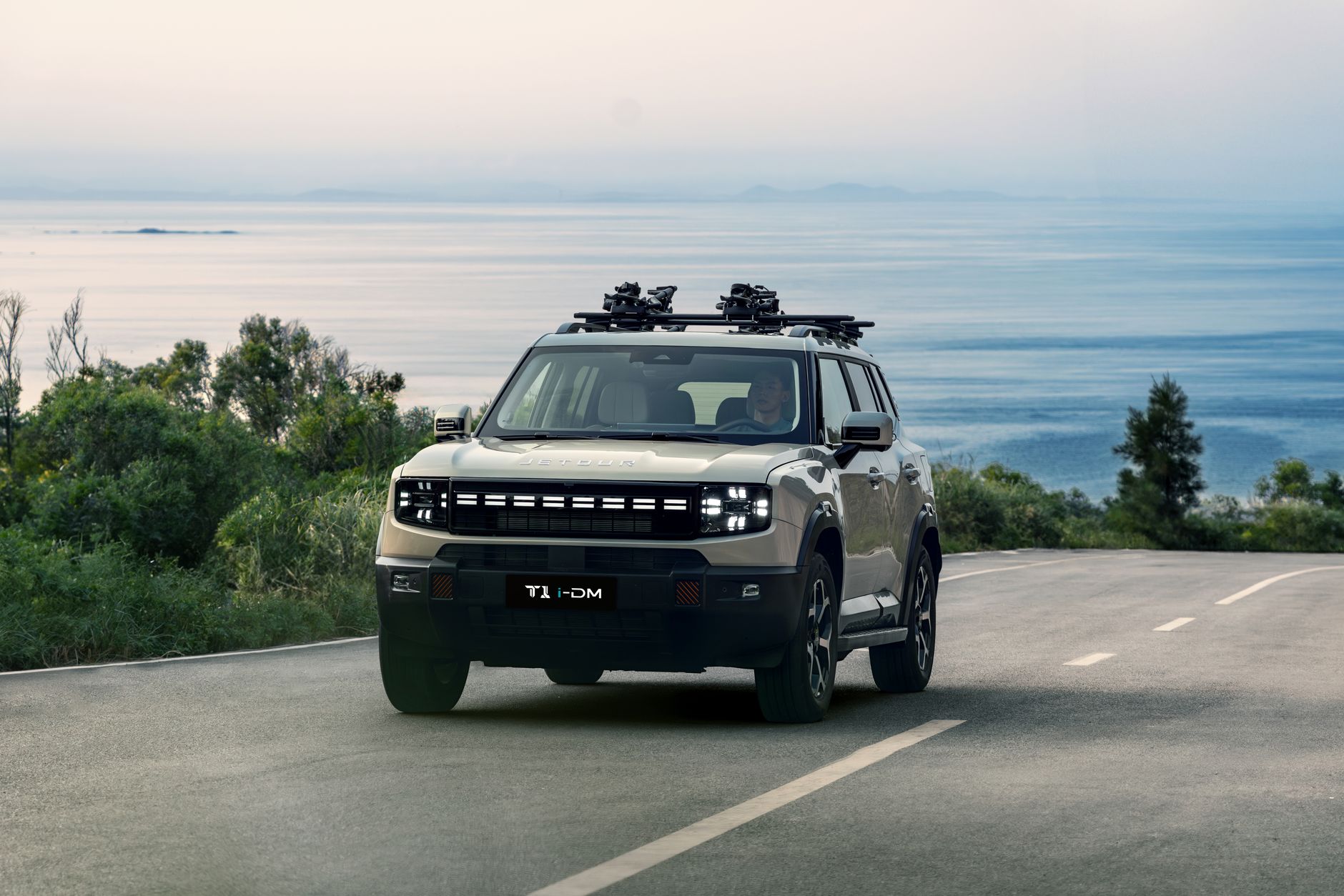
The automotive market in the United States is undergoing a profound and rapid transition. Consumers who have historically searched for the ideal plug-in hybrid electric vehicle (PHEV) or traditional sport utility vehicle (SUV) are now facing an increasingly fragmented and complex landscape.
Automakers are no longer walking in lockstep toward a single, unified electrified future. Instead, recent industry developments reveal a mix of corporate strategies ranging from localizing rugged SUV production in North America to doubling down on pure electric platforms. In some notable cases, premium manufacturers are outright rejecting PHEV technology in favor of traditional internal combustion engines. This divergence means that buyers must navigate a market where the definition of the "best" utility vehicle depends entirely on which manufacturer's vision aligns with their driving needs.
The Complex State of Plug-In Hybrids
Plug-in hybrid electric vehicles have long been positioned as the ultimate compromise for drivers. By offering a limited battery-only range for daily commutes alongside a traditional combustion engine for longer road trips, PHEVs bridge the gap between legacy vehicles and the all-electric future. However, automotive manufacturers are beginning to take opposing stances on the long-term value of this intermediate technology.
According to reporting by The Drive, the Italian luxury marque Maserati is looking toward a future that includes traditional sedans and powerful V8 engines, but the company is explicitly moving away from plug-in hybrids. The automaker maintains a strong focus on heritage models like the Quattroporte, suggesting that while another four-door iteration may loom large in the brand's future plans, consumers should absolutely not expect it to feature a PHEV powertrain. For Maserati, the focus appears to remain on the visceral appeal of traditional combustion rather than a transitional hybrid step.
Conversely, other European luxury brands are finding immense success by refining the plug-in hybrid experience for the executive market. Road & Track notes that the tested 2026 BMW 550e sedan makes a compelling case for a softer, more accessible PHEV option. While high-performance halo models like the BMW M5 inevitably capture the bulk of enthusiast attention, the 550e utilizes a smooth six-cylinder hybrid system that charms drivers in its own distinct way. This divergence highlights that while some brands see hybrids as an unnecessary detour, others view them as a highly refined solution for premium daily driving.
Securing North American SUV Production
For heavy utility vehicles, building closer to the primary consumer base has become a critical strategic maneuver. The United States remains one of the most vital markets for SUVs globally. Foreign automakers are increasingly seeking local production solutions to meet this insatiable demand, shorten supply chains, and navigate complex international trade dynamics.
In a notable and highly pragmatic industry shift, the British heritage brand Land Rover has secured an unlikely partner to manufacture SUVs directly within the United States. According to Motor1, Land Rover is receiving assistance from the global automotive conglomerate Stellantis to build the iconic Defender model in North America.
This localized production strategy underscores the ongoing necessity for global brands to establish a robust manufacturing footprint within the US. By collaborating across brand lines to build highly sought-after SUVs domestically, automakers can ensure a steadier supply of vehicles to local dealerships while potentially insulating themselves from overseas shipping delays and tariffs.
The All-Electric SUV Gamble
While some legacy brands refine their hybrid systems or secure North American manufacturing for gas-powered SUVs, others are fully committed to the battery-electric transition. The American EV startup Rivian serves as a prime example of the high-stakes, all-or-nothing nature of the modern electric utility vehicle market.
According to Road & Track, Rivian CEO RJ Scaringe has set remarkably high expectations for the brand's forthcoming electric SUV, the R2. Scaringe intends to sell "hundreds of thousands" of these vehicles, explicitly stating that the leadership team is "betting the company on that" specific model.
The R2 arrives carrying the heavy expectations of the company's founder. For Rivian, this compact electric SUV represents far more than just a new product launch; it is an existential push to capture a mainstream audience. Startups in the electric space rely on massive scale to survive, meaning the success or failure of a single mass-market SUV can determine the entire future of the brand.
The Evolution of the Luxury SUV
As the broader utility segment evolves rapidly, luxury SUVs must continuously update their specifications to remain competitive, whether they utilize electric, hybrid, or traditional combustion power. Consumers seeking premium vehicles require a seamless blend of performance, cutting-edge technology, and heritage status.
Car and Driver recently provided a comprehensive review of the 2027 Maserati Grecale, outlining the luxury SUV's updated technical specifications and revised pricing details for the model year. As brands like Maserati continue to refine their core utility offerings for upcoming production cycles, they are tasked with balancing traditional performance cues with modern luxury expectations.
The continued updates to models like the Grecale demonstrate the immense ongoing investment required to maintain a foothold in the highly competitive luxury SUV sector. Even as some brands distance themselves from plug-in hybrid powertrains, they must ensure their internal combustion offerings remain technologically advanced enough to compete against a rising tide of high-tech EV rivals.
Navigating the Modern Vehicle Market
As automakers fracture into different strategic camps, consumers evaluating the shifting landscape of SUVs and hybrids must weigh several core factors:
- Powertrain Preference: Drivers must decide between the long-range flexibility of a PHEV (like the BMW 550e), the zero-emission capability of a pure EV (like the Rivian R2), or the traditional performance of an internal combustion engine (like Maserati's V8s).
- Manufacturing Origin: With brands like Land Rover moving production of vehicles like the Defender to North America via Stellantis, buyers may increasingly factor in the geographic origin of their vehicle.
- Luxury vs. Utility: The choice between high-performance, heritage-focused luxury models and rugged, everyday utility vehicles dictates the available options within the current market.
The search for the perfect utility vehicle or hybrid is no longer a simple comparison of fuel economy and cargo space. It now requires buyers to understand the broader strategic direction of the automotive industry, selecting a vehicle from a brand whose vision for the future matches their own driving reality.
Key Takeaways
- Automakers are adopting divergent strategies, with brands like Maserati planning to stick with V8s and sedans rather than adopting plug-in hybrid (PHEV) technology.
- Global manufacturers are prioritizing local production, highlighted by Land Rover partnering with Stellantis to build the Defender in North America.
- Electric vehicle startups face massive pressure, as seen with Rivian's CEO betting the company on selling hundreds of thousands of the upcoming R2 electric SUV.
Frequently asked questions
Are all luxury brands moving toward plug-in hybrids?
No. While brands like BMW are finding success with smooth, six-cylinder PHEVs like the 550e, other luxury marques like Maserati are explicitly avoiding PHEVs in favor of traditional combustion engines and V8s.
Is Land Rover building SUVs in the United States?
Yes, Land Rover has partnered with Stellantis to manufacture the Defender in North America, signaling a shift toward localized production for heavy utility vehicles.
What is the Rivian R2?
The Rivian R2 is an upcoming electric SUV. Rivian's CEO RJ Scaringe has stated the company hopes to sell hundreds of thousands of units, noting they are betting the future of the company on the success of this model.
- 01The Drive: Maserati Sees Future for Sedans and V8s, but Not Plug-In Hybrids
- 02Car and Driver: 2027 Maserati Grecale
- 03Motor1: Land Rover Found An Unlikely Partner To Build SUVs In America
- 04Road & Track: Tested: 2026 BMW 550e Makes the Case for a Softer 5 Series PHEV
This editorial article was written by US News Desk's editorial desk using current reporting from the publishers above. All facts were grounded against these sources.