The Modern Automotive Landscape: Safety Innovations, EVs, and Consumer Strategy
From decades of life-saving crash test improvements to the complexities of modern leasing, the automotive world is shifting rapidly.
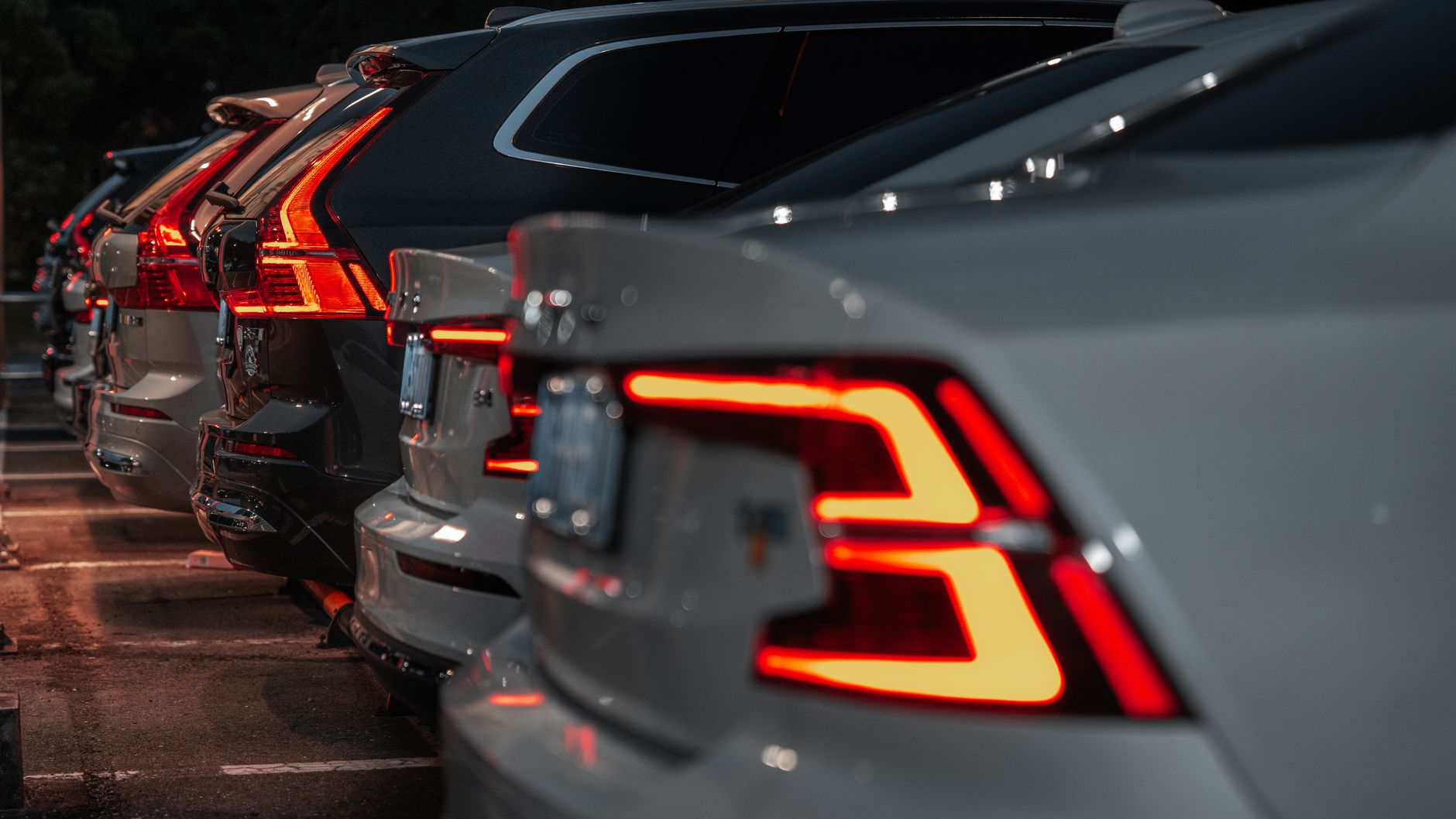
From decades of life-saving crash test improvements to the complexities of modern leasing, the automotive world is shifting rapidly.
The Leap in Automotive Safety
Over the last few decades, passenger vehicles have undergone a radical transformation in structural safety and occupant protection. While modern infotainment systems and electric drivetrains often dominate the headlines, the quiet evolution of crash survivability remains one of the industry's most significant achievements.
According to reporting from The Drive, a recent crash test comparing an old Chevy Blazer to a new Chevy Blazer vividly illustrates just how much automotive safety has improved since the 1990s. The visual evidence from these comparative tests highlights the dramatic engineering upgrades that have become standard in contemporary vehicle design. Modern vehicles are engineered to absorb impact energy and protect the passenger cabin in ways that older utility vehicles simply were not designed to do.
This evolution has been largely driven by rigorous independent testing. The Insurance Institute for Highway Safety (IIHS) has been at the forefront of this push for better structural integrity. The IIHS claims its comprehensive testing program has saved nearly 50,000 lives over the past 30 years. By continually raising the bar for what constitutes a safe vehicle, safety organizations have forced automakers to innovate, resulting in the highly resilient cars available on the market today.
The Global Push of Electric Vehicles
As legacy automakers focus on improving traditional platforms, newer entrants in the automotive space are aggressively expanding their electric vehicle offerings across international borders. The push to capture global market share requires vehicles that are adaptable to various regional regulations and consumer expectations.
A prime example of this rapid global readiness is the updated Xiaomi SU7. According to InsideEVs, the new Xiaomi SU7 is described as a stellar electric vehicle that requires very little modification to make it ready for European markets. Entering the European automotive space is notoriously challenging due to strict regulatory standards and a highly competitive local industry. However, the SU7's design and technological foundation appear robust enough to seamlessly cross over into this new territory, highlighting how quickly newer EV manufacturers are achieving global compliance and market readiness.
Navigating Consumer Choices: Buying Versus Leasing
While automotive technology and safety have improved, the actual process of acquiring a new vehicle remains a daunting task for many consumers. The modern showroom environment can be stressful, particularly in an era characterized by fluctuating inventories and shifting economic conditions.
According to Car and Driver, consumers looking to buy or lease a new car need a strategic approach to remove intimidation from the shopping process. Being a smart car buyer involves thorough preparation and understanding the current market dynamics to ensure you end up with the best deal on the right vehicle.
Whether a buyer decides to pursue a traditional auto loan or opt for a lease, the fundamental goal is to secure a vehicle that fits their lifestyle and budget. Experts recommend researching vehicle values, understanding dealership financing versus third-party lending, and knowing exactly what type of vehicle—whether an internal combustion model or a new EV—best serves their long-term needs.
Strategic Decisions at Lease End
The complexities of the automotive market do not end once a vehicle is driven off the lot. For consumers who choose to lease, the conclusion of the contract presents a major financial crossroads.
Car and Driver notes that when a car lease is over, consumers face a critical decision: should you buy your current car at the end of the lease, or start a new relationship with a completely new vehicle? This decision has been heavily impacted by recent market conditions, specifically higher vehicle prices and widespread scarcity.
To navigate this effectively, lessees should consider the following options:
- Purchasing the leased vehicle: If the pre-negotiated residual value of the car is lower than its current market value, buying out the lease can be an incredibly smart financial move.
- Trading in for a new lease: Consumers who prefer to drive vehicles with the latest safety features and technology may opt to start a new lease, though they must factor in potentially higher monthly payments due to current market pricing.
- Extending the lease: In times of severe vehicle scarcity, some financial institutions allow drivers to extend their current lease temporarily while waiting for the right new car to become available.
Thinking through these options well in advance of the lease maturity date is vital to avoiding rushed, costly decisions.
Track Technology and Motorsports Evolution
Beyond the consumer market, the world of motorsports continues to see its own brand of aggressive innovation. High-performance track cars often serve as the testing ground for engineering concepts that eventually trickle down to consumer vehicles.
A notable shift is currently occurring within Porsche's storied racing program. According to Jalopnik, the Porsche Cayman GT4 race car is officially being replaced. In a move that racing aficionados will immediately recognize as significant, the replacement is a new 911 GT4 race car.
What makes this transition particularly noteworthy is its engineering foundation. The new 911 GT4 race car is based on the highly acclaimed 911 GT3 platform. Jalopnik reports that this marks the very first time Porsche has built a GT4-class vehicle out of the iconic 911. This shift not only underscores the versatility of the 911 platform but also highlights the continuous evolution of track-focused engineering, ensuring that even the most established automakers are willing to rethink their lineups in pursuit of better performance.
Key Takeaways
- Independent crash testing programs from organizations like the IIHS have drastically improved structural vehicle safety, saving an estimated 50,000 lives over the past 30 years.
- New electric vehicles, such as the updated Xiaomi SU7, are rapidly achieving the design and regulatory standards necessary to compete in stringent European markets.
- Current automotive market conditions, defined by high prices and vehicle scarcity, require lessees to carefully strategize whether to buy out their expiring leases or transition to a new vehicle.
- Automakers continue to innovate on the track, highlighted by Porsche's decision to replace the Cayman GT4 with a new 911 GT4 race car based on the 911 GT3 platform.
Frequently asked questions
How much has car safety improved since the 1990s?
Vehicle safety has improved dramatically over the last three decades. Modern cars feature advanced structural engineering designed to absorb impact energy, a stark contrast to older models, as demonstrated by recent crash tests comparing modern SUVs like the Chevy Blazer to their 1990s counterparts.
What should I do when my car lease ends?
At the end of a lease, you generally have the option to buy out the vehicle at its pre-negotiated residual value, return it to start a new lease, or occasionally extend your current lease. Due to recent market scarcity and higher prices, buying out a lease can often be a financially advantageous option.
What platform is the new Porsche GT4 race car based on?
In a historic first for the manufacturer, Porsche's new GT4 race car is based on the 911 platform—specifically the 911 GT3. This replaces the previous generation of the GT4 race car, which was based on the Cayman.
- 01InsideEVs: VIDEO: The New Xiaomi SU7 Is Very Much Ready For Europe
- 02The Drive: Old vs. New Chevy Blazer Crash Test Shows How Much Safety Has Improved Since the ’90s
- 03Car and Driver: When Your Car Lease Is Over, What Should You Do Next?
- 04Jalopnik: Porsche Cayman GT4 Race Car Replaced By New 911 GT4 Race Car Based On The 911 GT3, Which Won't Be Confusing
This editorial article was written by US News Desk's editorial desk using current reporting from the publishers above. All facts were grounded against these sources.