The Next Era of Mobility: Autonomous Upgrades and Electric Wagons
*As the automotive industry pivots toward advanced electrification and autonomous capabilities, new models and robotaxis are transforming mobility.*
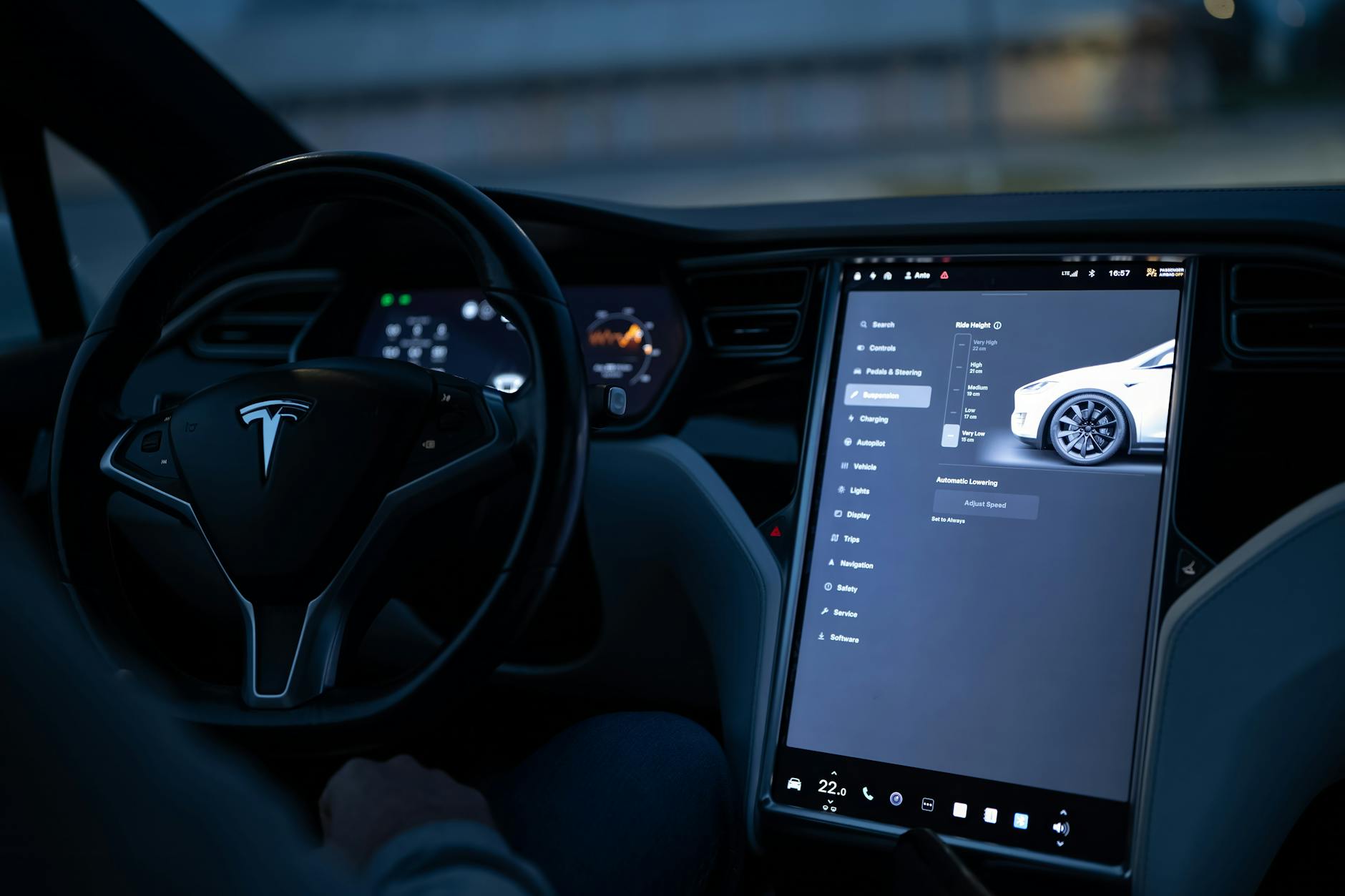
As the automotive industry pivots toward advanced electrification and autonomous capabilities, new models and robotaxi fleets are set to transform the global mobility landscape.
The modern automotive sector is undergoing a profound transformation, moving away from traditional internal combustion engines and basic cruise control toward fully electrified, software-defined platforms. Automakers and technology suppliers are racing to deliver increasingly sophisticated mobility solutions to consumers. From subcompact crossovers to high-performance luxury wagons and commercial robotaxi fleets, the next few years promise a significant shift in how vehicles are powered and driven.
Advancing Autonomous Driving Capabilities
The push for vehicles that can navigate complex routes without human intervention remains one of the most highly anticipated developments in the transportation sector. According to recent reporting from Road & Track, Rivian founder and CEO RJ Scaringe has stated that the electric vehicle manufacturer will introduce "point-to-point" self-driving technology later this year. Scaringe noted that this upcoming autonomous tech will be akin to the Full Self-Driving system developed by rival electric vehicle builder Tesla.
Point-to-point self-driving systems are generally designed to allow a vehicle to navigate from a starting location to a final destination with minimal driver input, handling complex driving tasks such as highway interchanges and route planning. By promising to deliver this technology to the market, Rivian is positioning its vehicles as highly capable technological platforms, directly challenging other manufacturers in the increasingly competitive advanced driver-assistance systems space.
While consumer-facing self-driving technology is advancing rapidly, the commercial sector is also seeing significant strategic shifts. According to InsideEVs, Mobileye—a subsidiary of Intel heavily focused on autonomous driving systems—is preparing to launch its own dedicated robotaxi fleet in the United States. While Mobileye is already an established supplier of robotaxi technology, notably providing the foundational systems for Volkswagen's MOIA operations, the company is now moving to establish an independent operational presence in the driverless mobility market.
This strategic move highlights the ongoing transition of technology companies from mere suppliers to active operators of transportation networks. Managing an independent robotaxi fleet in the United States will require Mobileye to navigate complex urban infrastructure integration, logistical planning, and consumer safety standards, marking a major milestone for the Intel subsidiary.
The Electrification of the Luxury Wagon
As autonomous software matures, the physical hardware of the automobile is also undergoing a fundamental shift, extending beyond popular sport utility vehicles into specialized segments like the luxury wagon. Automakers are proving that utility-focused, long-roofed vehicles have a secure place in the electrified future.
Per Car and Driver, Audi is actively preparing to transition its iconic A6 Allroad model to a fully electric powertrain. Expected to make its official debut for the 2028 model year, this rugged wagon reflects Audi's broader corporate shift toward an EV-focused vehicle lineup. The transition ensures that consumers who prefer the driving dynamics of a car combined with practical cargo capacity will have viable electric options.
The upcoming 2028 Audi A6 Allroad is expected to maintain the physical characteristics that have defined the nameplate for decades. This includes increased ground clearance for rougher terrain and standard all-wheel drive for enhanced traction in adverse weather conditions. While Audi has not yet released official pricing or detailed technical specifications regarding battery size and range, the commitment to an electric Allroad demonstrates the flexibility of modern EV platforms to accommodate diverse, traditionally combustion-powered body styles.
High-Performance Plug-In Hybrids as a Bridge
While fully electric vehicles represent the long-term goal for many manufacturers, plug-in-hybrid electric vehicles continue to serve as a vital technological bridge, offering high performance alongside reduced emissions. Car and Driver reports that the 2027 Mercedes-AMG E53 wagon will utilize an advanced plug-in-hybrid powertrain designed to deliver substantial power outputs.
The performance-oriented Mercedes-AMG E53 wagon is capable of producing up to 604 horsepower, proving that the integration of electric motors and battery packs can dramatically enhance traditional combustion performance. This blend of luxury and utility caters to enthusiasts who demand rapid acceleration and dynamic driving capabilities alongside the practical benefits of a wagon body style.
Furthermore, the E53 wagon's plug-in-hybrid system provides tangible efficiency benefits for daily use. The vehicle offers an estimated electric-only driving range of 40 miles. For many drivers, this allows daily commutes and urban errands to be completed entirely on battery power, without consuming a drop of gasoline. When longer journeys are required, the combustion engine provides traditional range and refuelling convenience. Coupled with an updated interior featuring advanced digital technology, the AMG E53 illustrates how hybrid powertrains are maturing to offer highly versatile driving experiences.
Modernizing the Subcompact Crossover
Beyond the premium luxury and high-performance sectors, technological modernization is also a driving force in more accessible consumer vehicle categories. The subcompact crossover segment continues to be a crucial market for automakers targeting urban drivers who require efficiency, compact dimensions, and modern connectivity.
According to Car and Driver, the 2026 Toyota C-HR will continue its established run in this highly competitive segment. Known for its distinct, aggressive styling, the subcompact crossover is expected to integrate modern technology to maintain its appeal among newer demographics. While comprehensive details regarding the vehicle's exact performance specifications, interior features, and estimated pricing tiers are still anticipated by the industry, the upcoming iteration of the C-HR underscores the automotive industry's commitment to equipping smaller, more accessible vehicles with modern automotive technology.
From the integration of sophisticated point-to-point autonomous software to the seamless adoption of fully electric and hybrid powertrains across diverse vehicle classes, the coming years promise a mobility landscape defined by continuous innovation. Whether it is through dedicated robotaxi fleets or specialized consumer vehicles, the global automotive market is aggressively accelerating into a highly connected future.
Key Takeaways
- Rivian CEO RJ Scaringe announced plans to introduce point-to-point self-driving technology later this year, designed to compete with Tesla's Full Self-Driving system.
- Intel subsidiary Mobileye plans to expand from being a technology supplier for fleets like Volkswagen's MOIA to launching its own independent robotaxi fleet in the United States.
- The 2028 Audi A6 Allroad will transition to a fully electric powertrain, maintaining its rugged characteristics like increased ground clearance and standard all-wheel drive.
- The 2027 Mercedes-AMG E53 plug-in hybrid wagon will offer up to 604 horsepower and an estimated 40 miles of electric-only driving range.
Frequently asked questions
When is Rivian releasing its point-to-point self-driving technology?
According to Rivian CEO RJ Scaringe, the company's point-to-point self-driving technology is expected to arrive later this year.
Will the new Audi A6 Allroad be electric?
Yes, Audi is transitioning the 2028 A6 Allroad to a fully electric powertrain as part of its shift toward an EV-focused lineup.
What is the electric range of the 2027 Mercedes-AMG E53 wagon?
The 2027 Mercedes-AMG E53 plug-in hybrid wagon features an estimated electric-only driving range of up to 40 miles.
What is Mobileye's plan for robotaxis in the US?
Mobileye, an Intel subsidiary, is preparing to launch its own independent fleet of autonomous robotaxis in the United States.
- 01Road & Track: Rivian CEO Says Tesla-Like 'Point-to-Point' Self-Driving Technology Will Arrive This Year
- 02Car and Driver: 2028 Audi A6 Allroad
- 03InsideEVs: Mobileye, Supplier Of Robotaxi Tech, Is Launching Its Own Robotaxi Fleet In The U.S.
This editorial article was written by US News Desk's editorial desk using current reporting from the publishers above. All facts were grounded against these sources.