The Shifting Auto Landscape: Chinese EV Expansion and Battery Tech
As Chinese manufacturers like BYD disrupt international markets, legacy automakers are countering with immediate battery breakthroughs.
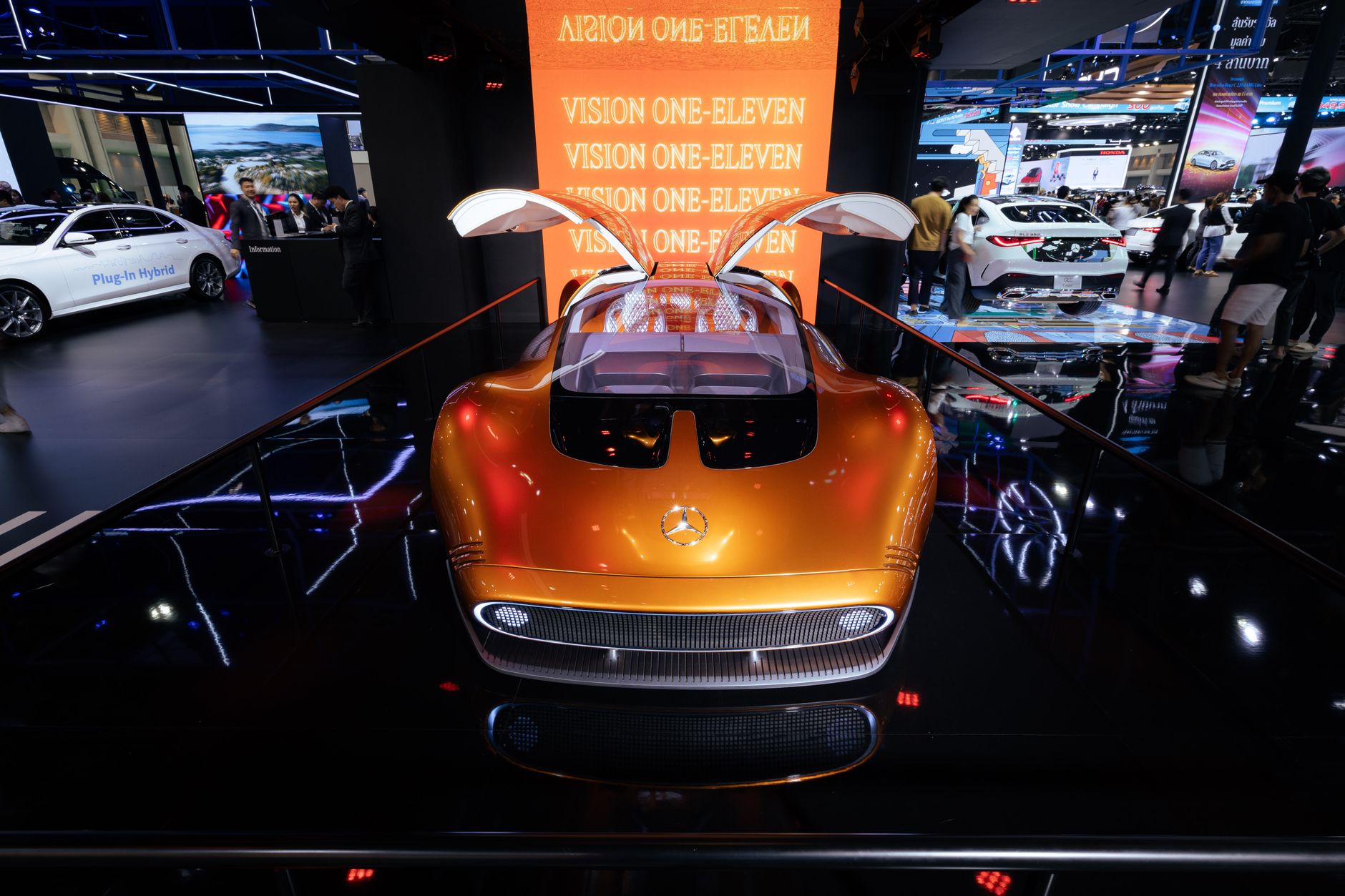
As Chinese manufacturers like BYD disrupt international vehicle markets, the global automotive sector is countering with immediate battery innovations and novel engineering feats.
The Rise of Chinese Automotive Technology in Europe
The global automotive landscape is currently undergoing one of its most significant realignments in decades, driven heavily by the international expansion of Chinese electric vehicle manufacturers. While historically the flow of automotive technology primarily moved from West to East, the current market dynamic has seen brands like BYD making substantial inroads into legacy European markets.
According to recent reporting by Autocar, BYD’s successful push into the United Kingdom market has been spearheaded by executive Bono Ge. Under Ge’s leadership, the Chinese brand has evolved rapidly from a relatively unknown entity among British consumers to a formidable competitor. Autocar notes that BYD is now viewed as a legitimate threat to established, deeply entrenched legacy automakers, ranging from volume producers like Ford to premium marques like Audi.
Industry analysts and market watchers often have a tendency to dismiss the rapid progress of leading Chinese marques in the UK as an unearned, overnight success. This misconception is frequently predicated on the assumption that these companies are merely leveraging favorable domestic manufacturing conditions to undercut competitors on cost. However, Autocar’s analysis counters this narrative, highlighting that BYD's competitive edge is derived from their ability to deliver highly advanced vehicles at lower price points. This combination of affordability and technological sophistication represents a complex challenge for legacy brands attempting to maintain their market share in an increasingly crowded electric vehicle sector.
Rethinking EV Battery Breakthroughs
While international expansion reshapes the consumer market, foundational component engineering continues to evolve at a rapid pace. For years, the automotive industry has heralded solid-state batteries as the ultimate technological leap required to perfect the electric vehicle. Solid-state technology promises higher energy density and improved safety, but complex manufacturing challenges have kept it largely on the horizon.
However, a new development suggests that the industry may not need to wait for solid-state technology to achieve the next major leap in electric vehicle performance. According to InsideEVs, General Motors is currently betting heavily on silicon anodes as the primary catalyst for the next generation of battery technology.
Rather than relying entirely on the long-promised, future-facing solid-state architecture, General Motors has developed a silicon anode breakthrough that is purportedly ready for immediate deployment. InsideEVs reports that this development is prepared to upend the market right now. By focusing on silicon anodes, General Motors aims to circumvent the current technological bottlenecks, offering a practical, present-day solution that could significantly alter the competitive dynamics of the electric vehicle battery supply chain.
Strategic Divergence in the Auto Industry
The contrast between BYD’s aggressive international sales expansion and General Motors’ focused component-level battery innovation illustrates the diverse strategies automakers are utilizing to secure their future market positions. For Chinese tech and automotive companies, the immediate goal is global footprint expansion. By bringing advanced, competitively priced cars to European markets like the UK, BYD is working to establish brand loyalty and physical infrastructure before legacy automakers can fully transition their fleets to electric power.
Conversely, traditional automotive giants in the West are leaning into deep structural engineering to leapfrog their newer competitors. General Motors' investment in silicon anodes represents a calculated bet that superior underlying technology will ultimately win over consumers. If an automaker can offer a vehicle that charges faster, lasts longer, and costs less to produce due to a near-term battery breakthrough, they may be able to reclaim market share from aggressive international entrants.
The Sustained Appeal of Premium SUVs
Despite the heavy industry focus on battery electric vehicles and international market disruption, the traditional internal combustion and luxury segments remain a vital component of the global automotive ecosystem. Premium automakers continue to refine their internal combustion and hybrid offerings, ensuring that consumers who are not yet ready to transition to fully electric vehicles still have access to modern, high-performance options.
A prime example of this ongoing refinement is the 2027 Maserati Grecale. According to Car and Driver, the luxury Italian automaker has introduced comprehensive updates for the upcoming model year. The publication’s extensive review of the 2027 Grecale outlines the luxury SUV's latest technical specifications alongside updated pricing details. This continued investment in the Grecale platform underscores Maserati’s commitment to maintaining a competitive edge in the highly lucrative premium SUV market, blending traditional automotive craftsmanship with updated modern engineering.
Pushing the Limits of Novel Automotive Engineering
Beyond the traditional consumer market and practical battery advancements, the automotive world continues to embrace spectacular feats of novel engineering that blur the line between toy and machine. In a highly ambitious crossover project, the iconic Danish toy company Lego has partnered with the Swedish hypercar manufacturer Koenigsegg to create a groundbreaking functional model.
Car and Driver reports that Lego pulled out all the stops to develop their latest Technic set, based on the Koenigsegg Sadair’s Spear. While standard Lego Technic sets are renowned for their complex mechanical accuracy, the companies decided to take the collaboration even further by building a full-size, drivable replica of the hypercar.
The sheer scale and performance of this build represent a monumental achievement in alternative automotive engineering. According to coverage from Motor1, the full-size Lego Technic build required an immense investment of labor, taking more than 9,000 hours to construct. The vehicle is composed of over 327,000 individual pieces. Most remarkably, despite being constructed entirely from plastic bricks and standard Technic components, the life-size Koenigsegg replica was successfully driven at the iconic Goodwood event, where it managed to reach an astonishing top speed of 69 mph.
This feat not only showcases the durability and mechanical potential of the Lego Technic system but also highlights the enduring cultural passion for high-performance automotive design, whether rendered in carbon fiber, luxury leather, or interlocking plastic.
Key Takeaways
- Under executive Bono Ge, BYD has successfully expanded into the UK, threatening legacy automakers like Ford and Audi with advanced, competitively priced EVs.
- General Motors is prioritizing silicon anode EV batteries over solid-state technology, positioning it as an immediate breakthrough ready to disrupt the market.
- Lego and Koenigsegg built a full-size, drivable Sadair’s Spear using over 327,000 Lego Technic pieces, achieving 69 mph at Goodwood.
Frequently asked questions
Why is BYD considered a major threat in the UK auto market?
BYD has transitioned from an unknown brand to a major competitor against legacy companies like Ford and Audi by offering technologically advanced vehicles at lower price points, proving their growth is not just an unearned overnight success.
What is General Motors' new approach to EV batteries?
General Motors is betting heavily on silicon anodes as the next major leap in electric vehicle battery technology, framing it as a breakthrough ready to upend the market right now, rather than waiting for solid-state batteries.
How fast can the full-size Lego Koenigsegg drive?
The drivable, full-size Lego Technic replica of the Koenigsegg Sadair’s Spear reached a top speed of 69 mph during its run at Goodwood.
- 01Autocar: How to crack the UK market, according to BYD
- 02Car and Driver: 2027 Maserati Grecale
- 03Motor1: This Is The World's Fastest Lego Car
- 04InsideEVs: Forget Solid-State. This EV Battery Breakthrough Is Ready To Upend The Market Now
This editorial article was written by US News Desk's editorial desk using current reporting from the publishers above. All facts were grounded against these sources.