The Shifting Realities of the American Automotive Landscape
From shifting manufacturing origins to the complex truths of modern fuel production, the American automotive industry continues to evolve.
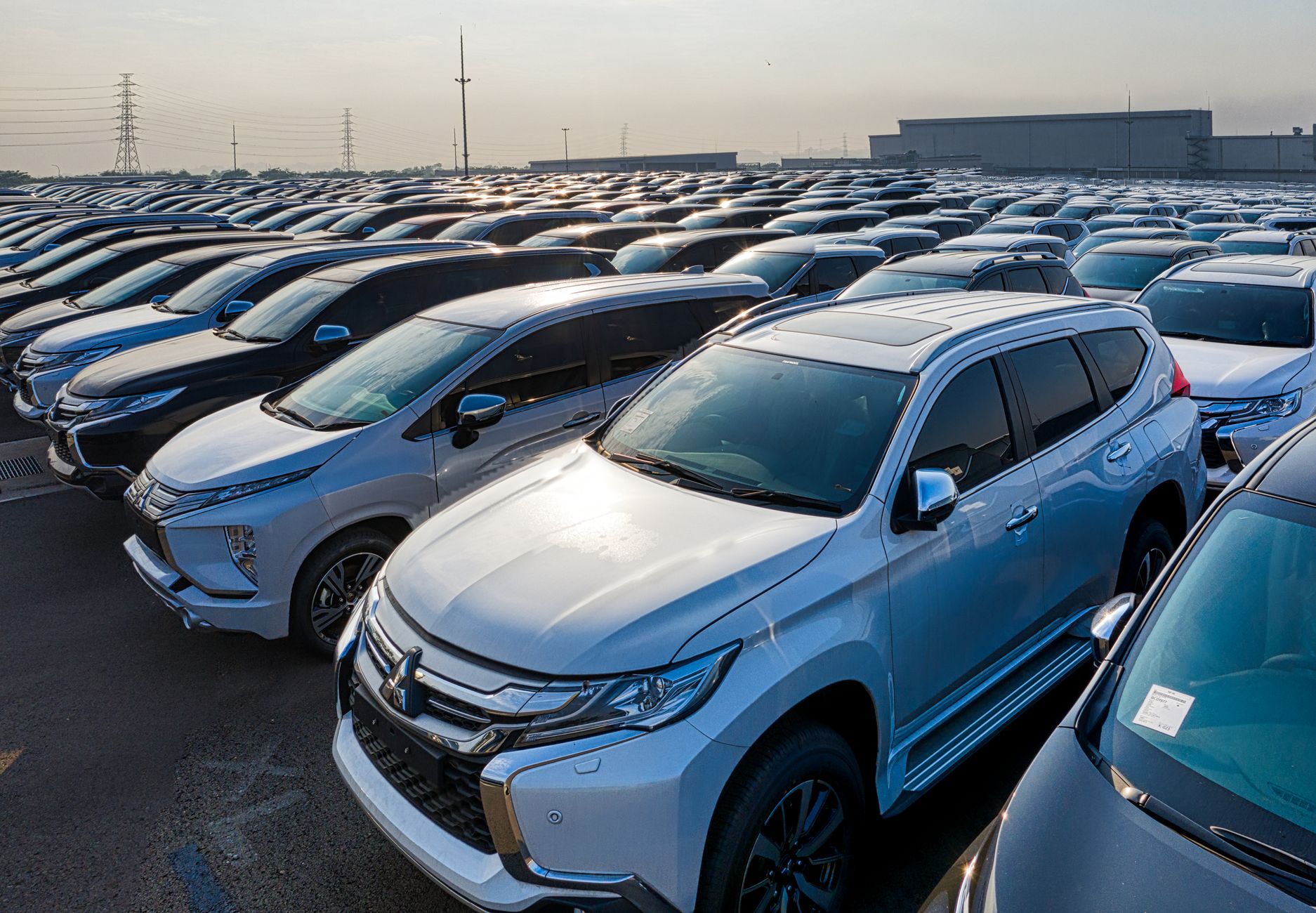
From shifting manufacturing origins to the complex truths of modern fuel production, the American automotive industry continues to evolve.
Redefining the American-Made Vehicle
For decades, the concept of the American car was intrinsically linked to domestic automakers operating out of historic industrial hubs. However, the modern global supply chain has fundamentally transformed what it means for a vehicle to be domestically produced. Today, the corporate badge on the hood of a car is rarely a definitive indicator of where that vehicle was actually assembled or where its components were sourced.
According to recent reporting by Motor1, the landscape of American-made vehicles looks drastically different than historical assumptions might suggest. In a comprehensive review of domestically produced cars, the publication found that the majority of the most heavily American-made vehicles do not actually originate from traditional American brands. Instead, international corporations have established a massive manufacturing footprint within the United States.
The data reveals a striking shift in production dominance. Japanese manufacturers currently produce six of the ten most American-made vehicles on the market, and they account for twelve of the top twenty overall. Meanwhile, domestic manufacturer Tesla, which has previously held top positions on lists of American-made cars, recently lost two spots in the overall rankings. For international observers and domestic consumers alike, this data underscores a highly integrated industry where foreign automakers heavily invest in localized American manufacturing facilities, effectively redefining the domestic car market.
A Century of Horsepower and Heritage
To understand the current American automotive landscape, it is essential to look at the industry's foundational history and its long-standing reliance on high-powered internal combustion engines. The American car industry was built on rapid mechanical innovation, corporate consolidation, and an enduring appetite for raw horsepower.
As detailed by Jalopnik, the origins of the Chrysler Corporation provide a perfect historical lens for this industrial evolution. The iconic company did not simply spring into existence overnight as an automotive giant. Instead, automotive pioneer Walter P. Chrysler leveraged the extensive manufacturing know-how he had acquired over years in the industry and applied it directly to the struggling Maxwell Motor Company. By overhauling Maxwell's engineering and business operations, Chrysler successfully transformed the failing enterprise into the formidable Chrysler Corporation in 1925.
This foundation of domestic engineering prowess paved the way for the massive, large-displacement engines that would eventually come to define American automotive culture. According to Autocar, there has historically been "no replacement for displacement" when evaluating the most powerful American production car engines of all time. The publication notes that internal combustion engines are inherently far more complex than modern electric motors. Consequently, engineering traditional engines to produce massive amounts of power is a correspondingly difficult technical achievement, yet it remains a defining characteristic and a point of pride in American automotive heritage.
The Hidden Costs of Modern Mobility
While the automotive industry is currently undergoing a highly publicized transition toward electrification, the underlying global supply chains for both legacy internal combustion vehicles and modern electric vehicles share complex ethical challenges. The extraction of raw materials, particularly cobalt, has become a frequent flashpoint in discussions surrounding the environmental and human costs of modern transportation infrastructure.
Electric vehicles frequently draw intense criticism for their reliance on cobalt mining, an extractive industry historically plagued by severe human rights abuses and the widespread use of child labor. However, recent analysis by Jalopnik highlights a broader, often overlooked reality: the traditional petroleum industry is deeply reliant on these exact same supply chains. Cobalt is a crucial catalyst component utilized in the refining processes required to produce everyday gasoline and diesel fuels.
This revelation significantly complicates the global narrative surrounding sustainable transportation and supply chain ethics. Whether the automotive market manages to transition to completely cobalt-free electric vehicles before or after the gasoline and diesel industries manage to eliminate their own reliance on the mineral, the immediate reality remains stark. As Jalopnik reports, neither of these technological shifts will automatically or immediately get children out of the cobalt mines. It is a systemic, global supply chain issue that spans both the internal combustion and electric vehicle sectors, proving that traditional fuel consumers are just as connected to these mining practices as modern electric vehicle adopters.
Practical Safety for the Modern Driver
Beyond the macroeconomics of global manufacturing and material supply chains, the day-to-day reality of American automotive culture involves navigating the practical, physical risks of driving. Despite rapid advances in automated vehicle safety technology and collision avoidance systems, certain extreme emergency situations still require critical driver knowledge and immediate physical preparation.
One of the most terrifying and time-sensitive scenarios a driver can face is a vehicle becoming submerged in a body of water. However, research indicates there is a significant and dangerous disconnect between driver confidence and actual emergency preparedness. A recent survey highlighted by Jalopnik reveals that the vast majority of Americans do not actually know how to properly escape a sinking car, despite overwhelmingly expressing confidence that they possess the necessary survival skills.
To bridge this dangerous knowledge gap and combat driver overconfidence, safety experts strongly recommend memorizing a specific, standardized protocol for drivers and passengers facing a water submersion emergency. Rather than relying on panic-driven instinct—which often leads to fatal mistakes like attempting to push open a door against immense exterior water pressure—occupants must act methodically in the brief moments before the vehicle loses power or fills completely.
According to safety guidelines reported by Jalopnik, individuals can best protect themselves and their children by strictly utilizing the SWOC survival method. This systematic approach is designed to provide immediate clarity during a high-stress event. By learning this method, drivers ensure they:
- Recognize that their standard assumptions about vehicle escape are likely flawed and dangerous.
- Rely on structured, memorized emergency techniques rather than brute force against water pressure.
- Have a clear plan to protect themselves and extract children efficiently before the vehicle becomes entirely submerged.
Understanding these practical safety protocols is just as crucial to the modern American driver as understanding the changing origins of the vehicles they operate. From the realities of the globalized factory floor to emergency survival behind the wheel, the American automotive landscape remains a complex, rapidly evolving entity that demands continuously informed consumers and operators.
Key Takeaways
- Japanese automakers now produce six of the top ten most American-made vehicles, challenging traditional assumptions about domestic car manufacturing.
- The ethical concerns surrounding cobalt mining apply to both electric vehicles and the traditional production of gasoline and diesel fuels.
- Surveys indicate a dangerous overconfidence among American drivers regarding how to safely escape a sinking vehicle using proper survival methods.
Frequently asked questions
Are the most American-made cars produced by US brands?
Not entirely. Recent data shows that Japanese automakers currently own six of the top ten spots for the most American-made vehicles, while Tesla recently dropped two positions in the rankings.
Is cobalt mining only an issue for electric vehicle production?
No. While often associated with EV batteries, cobalt is also an essential component in the refining processes used to produce traditional gasoline and diesel fuels.
How was the Chrysler Corporation originally founded?
Automotive pioneer Walter P. Chrysler established the corporation in 1925 by leveraging his industry expertise to completely overhaul the failing Maxwell Motor Company.
- 01Motor1: Most American-Made Cars Aren't Actually From American Brands
- 02Autocar: The most powerful American production car engines of all time
- 03Jalopnik: If You Hate Cobalt Mining, I Have Terrible News About How Gasoline And Diesel Are Made
This editorial article was written by US News Desk's editorial desk using current reporting from the publishers above. All facts were grounded against these sources.