The Shifting US Auto Market: Sales Hubs, Safety, and Milestones
*As Texas emerges as the dominant car market in the United States, automakers are balancing historic manufacturing milestones with new safety challenges.*
The Shifting Center of the American Automotive Market
The landscape of automotive sales and corporate strategy within the United States is undergoing significant realignment. The sheer size and diversity of the country mean that consumer preferences and market strength can vary wildly from coast to coast. According to recent reporting from Jalopnik, Texas has officially emerged as America's preeminent big car market. This regional dominance highlights a shifting geographical center for vehicle sales, signaling to automakers that localized marketing and distribution strategies in the South and Southwest are more critical than ever.
While Texas solidifies its position as a primary sales and cultural hub for the automotive industry, major global manufacturers are experiencing a complex mix of fortunes across the broader North American market. Jalopnik notes that automotive giant Toyota is currently experiencing notable sales woes, a situation that illustrates the vulnerabilities and inventory challenges even the most established legacy brands can encounter. In a similar vein of corporate restructuring, Volkswagen is confronting a future that includes planned operational cuts, pointing to a period of consolidation and strategic withdrawal for the German automaker.
Conversely, not all international brands are retreating or facing downturns. Jaguar Land Rover is moving in the opposite direction, initiating a renewed and dedicated focus on the United States market. This pivot suggests that while some volume-sellers are struggling with broader market dynamics, luxury and specialized brands are identifying new opportunities to capture American consumer interest.
Domestic Manufacturing and Patriotic Milestones
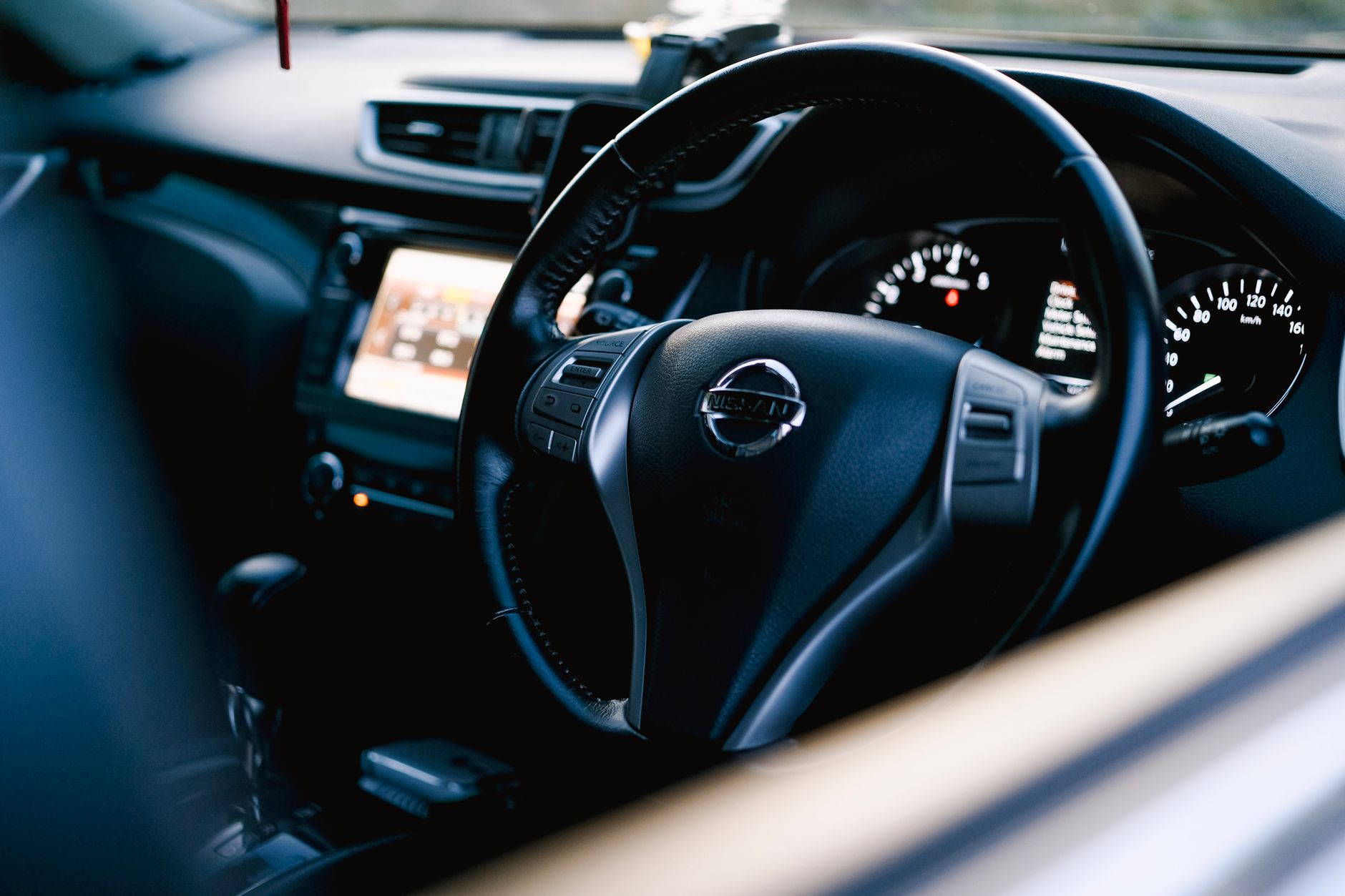
As global brands continuously recalibrate their operational strategies, domestic manufacturing facilities rooted in the United States continue to reach historic production milestones. The American South has long been a vital region for automotive assembly, providing logistical advantages and a robust workforce. According to Car and Driver, Nissan's manufacturing plant located in Canton, Mississippi, recently achieved a major operational landmark. The facility has officially built its one-millionth Frontier pickup truck, cementing the location's importance to the automaker's North American footprint.
To commemorate this manufacturing achievement and align with broader national celebrations, Nissan is introducing a unique offering for its upcoming vehicle lineup. Car and Driver reports that the 2026 Nissan Frontier will actively celebrate the upcoming 250th birthday of the United States. To mark the occasion, the automaker is offering a free patriotic badge to buyers. This initiative not only highlights the localized production of the midsize truck in Mississippi but also serves as a strategic marketing maneuver designed to tie automotive ownership directly to American national identity and pride.
Historical Roots and the Return of Global Nameplates
Understanding the modern American automotive market requires looking back at a deep history of corporate evolution and entrepreneurial resilience. The founding of major domestic automotive institutions often arose from the ashes of earlier, less successful ventures. According to historical retrospectives from Jalopnik, the origins of the Chrysler Corporation trace back to 1925. The company did not simply spring into existence overnight as an industry titan. Rather, automotive pioneer Walter P. Chrysler utilized his extensive accumulated industry know-how to overhaul the failing Maxwell automobile company. By pouring his expertise and resources into the sputtering Maxwell enterprise, he successfully transformed it into the enduring American powerhouse that became the Chrysler Corporation.
While domestic history shapes the foundational bedrock of the market, the future of the industry will also see the return of beloved international nameplates that have historically resonated with consumers. Car and Driver reports that Japanese automaker Mitsubishi is actively preparing to revive the Montero—a rugged utility vehicle known as the Pajero in various international markets. The automaker has teased the return of an iconic, yet-unnamed feature for the new model, sparking interest among automotive enthusiasts. However, a global rollout requires patience. While the updated SUV is scheduled to make its official debut in Asian markets later this year, consumers in North America will have a significantly longer wait. The new Montero is not slated to launch in the United States and Canadian markets until closer to the year 2030.
Confronting Automotive Safety and Survival Preparedness
Beyond fluctuating sales figures, corporate restructuring, and manufacturing milestones, the practical reality of daily driving in the United States encompasses critical, life-or-death safety considerations. Despite massive advancements in active vehicle safety technology and structural engineering, fundamental driver knowledge remains a vital component of road safety. A recent survey highlighted by Jalopnik reveals a highly concerning gap in emergency preparedness among everyday drivers.
According to the survey data, the vast majority of Americans do not actually know how to successfully escape a sinking car. Alarmingly, this lack of factual knowledge is paired with a high level of misplaced confidence; many drivers erroneously believe they know exactly what to do in such a dire scenario. This overconfidence can be particularly dangerous, as sudden emergency scenarios involving vehicles submerged in bodies of water require immediate, specific actions to prevent tragedy.
To mitigate these severe risks and protect vehicle occupants—especially vulnerable passengers like children—safety experts advocate strongly for the use of the SWOC survival method. Emphasizing this specific, step-by-step emergency protocol is crucial for bridging the dangerous gap between perceived driver competence and actual survival readiness. Educating the driving public on proven methods like SWOC ensures that the advancements in modern automotive engineering are matched by the practical preparedness of the individuals behind the wheel.
Key Takeaways
- Texas has officially emerged as America's preeminent big car market, highlighting a shift in regional automotive dominance.
- Nissan's Canton, Mississippi plant recently produced its one-millionth Frontier, and the 2026 model will feature a free badge celebrating America's 250th birthday.
- Mitsubishi plans to bring the Montero back to North America closer to 2030, teasing the return of an iconic feature.
- A recent survey indicates most Americans are overly confident but genuinely lack the knowledge to escape a sinking car, prompting experts to recommend the SWOC survival method.
Frequently asked questions
When is the new Mitsubishi Montero coming to North America?
According to Car and Driver, the new Montero will debut in Asia later this year, but it is not expected to launch in North America until closer to 2030.
How did the Chrysler Corporation originally start?
As reported by Jalopnik, Walter P. Chrysler founded the corporation in 1925 by utilizing his industry knowledge to overhaul and transform the failing Maxwell automobile company.
What is the SWOC survival method?
SWOC is a recommended emergency protocol designed to help drivers and their children safely escape from a sinking vehicle, addressing a critical knowledge gap identified in recent driver safety surveys.
- 01Jalopnik: According To This Survey, More Americans Need To Learn How To Escape A Sinking Car
- 02Car and Driver: Mitsubishi Teases the Return of an Iconic Feature on the New Montero
This editorial article was written by US News Desk's editorial desk using current reporting from the publishers above. All facts were grounded against these sources.