The US in 2026: Policy Shifts, Diplomacy, and National Identity
*As the United States approaches its 250th anniversary, the nation faces key shifts in environmental policy, immigration enforcement, and global diplomacy.*
As the United States progresses through the year 2026, the nation finds itself at a unique intersection of domestic evolution and international engagement. From landmark legal decisions reshaping interior immigration enforcement to unprecedented federal settlements concerning environmental contamination, the landscape of American public policy is shifting rapidly. At the same time, the country continues to project its influence abroad through complex diplomatic negotiations while preparing to host major international cultural events on its own soil.
For observers both within and outside the United States, understanding these concurrent developments provides crucial insight into the current trajectory of the nation. By examining recent updates in domestic law, environmental accountability, and foreign diplomacy, a clearer picture emerges of an evolving republic balancing its internal challenges with its global responsibilities.
Reflecting on American Identity
One of the most prominent cultural touchstones for the United States currently is its approaching semiquincentennial. The year 2026 marks the country’s 250th anniversary, a historic milestone that has prompted widespread national reflection. According to reporting by BBC US & Canada, this upcoming anniversary has initiated a broader conversation about what it inherently means to be an American in the modern era.
To capture the nuances of this evolving national character, the BBC asked citizens across the United States about their personal and collective identity. The responses highlight the diverse perspectives that exist across different states and communities. As the country prepares for nationwide commemorations, the ongoing dialogue surrounding national identity underscores how much the cultural and demographic fabric of the United States has transformed over the past two and a half centuries.
Shifts in Domestic Policy and Enforcement
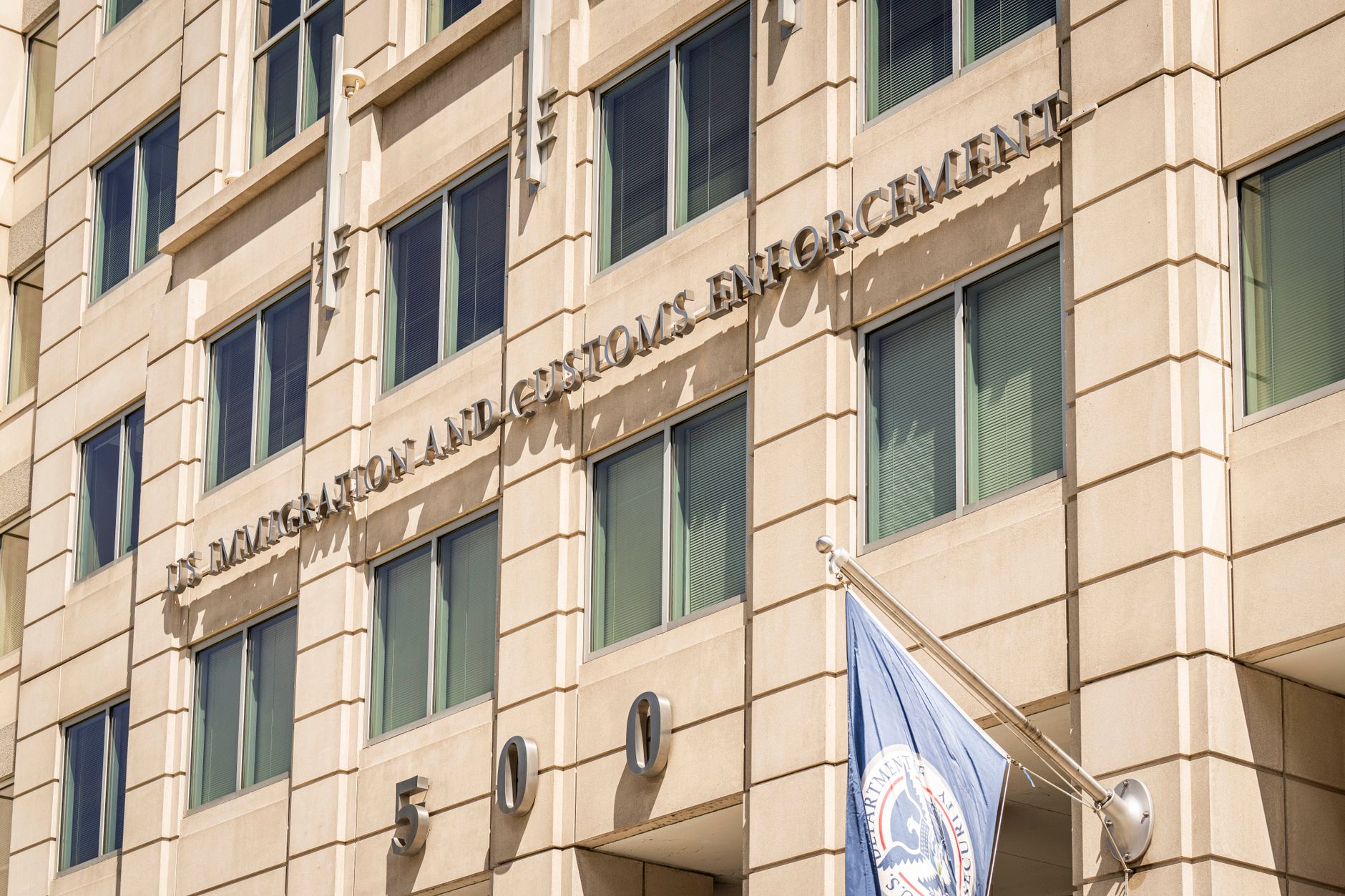
On the domestic policy front, the mechanics of immigration enforcement have recently undergone a significant legal transformation. The ongoing debate over how to manage undocumented migration has frequently centered on the southern border, but recent judicial actions have expanded the scope of federal enforcement well into the nation's interior.
According to NPR Top Stories, a federal appeals court ruled on a Tuesday in late June 2026 to allow the Trump administration to expand its use of speedy deportations. Crucially, this appellate court decision permits the administration to resume carrying out these rapid deportations of undocumented migrants throughout the entirety of the United States. Rather than restricting expedited removal procedures strictly to regions near the border—a limitation that has historically shaped enforcement strategies—authorities are now empowered to apply these measures nationwide. This represents a substantial shift in how immigration law is applied across all fifty states.
Environmental Accountability Across States
In addition to changes in immigration enforcement, the United States is witnessing landmark developments in environmental law and corporate accountability. The regulation of hazardous industrial substances has increasingly become a priority for both state and federal authorities, culminating in historic financial penalties for chemical manufacturers.
CBS News reports that chemical maker Chemours is slated to pay $450 million in what is recognized as the first federal "forever chemicals" settlement. These pervasive substances, known for their inability to break down naturally in the environment, have become a focal point of public health advocacy. Chemours allegedly discharged these chemicals—which are linked to cancer and various other health conditions—across three different states.
By securing a federal settlement of this magnitude, authorities are establishing a new precedent for how the United States handles multi-state environmental contamination. The massive financial penalty underscores a growing governmental commitment to addressing the long-term public health impacts of industrial pollution.
Global Diplomacy and Security
Beyond its borders, the United States remains deeply engaged in complex geopolitical negotiations, particularly concerning nuclear non-proliferation and conflict resolution in the Middle East. The administration's diplomatic efforts have recently yielded significant movement regarding international oversight of contested foreign facilities.
Reporting from ABC News indicates that the head of the United Nations nuclear agency has officially signaled that his inspectors will visit Iranian nuclear enrichment sites. This crucial development does not exist in a vacuum; rather, it serves as a key component of an interim deal brokered between the United States and Iran.
According to the details of the agreement, securing these UN inspections is intended to serve as a stepping stone toward reaching an end to the broader war. The ability of the United States to negotiate these interim terms highlights the ongoing reliance on international treaties and independent oversight agencies to manage global security threats.
International Culture Meets US Shores
While the United States asserts its influence through diplomatic channels, it also continues to serve as a primary hub for global cultural exchange and international sporting events. The intersection of sports and history is currently capturing the attention of both domestic and international audiences as the country prepares for the World Cup.
According to NBC News, an extraordinary piece of sports history has traveled from Scotland to Miami for the upcoming tournament. The artifact in question is recognized as the world's oldest soccer ball, which was remarkably discovered in a bedroom once used by the historical monarch Mary, Queen of Scots.
This marks the very first time that this ancient sporting relic will go on display within the United States. The decision to exhibit the ball in Miami during the World Cup perfectly illustrates the unique position of the United States as a gathering place for international heritage and modern global celebrations.
Looking Ahead
As 2026 unfolds, the United States continues to demonstrate its complexity through a blend of stringent domestic policy shifts, rigorous environmental oversight, and active global diplomacy. Whether it involves expanding the geographic reach of deportation policies, holding major corporations accountable for multi-state pollution, or facilitating international nuclear inspections, the actions taken by the US government this year will likely leave lasting impacts. Coupled with the reflection brought on by the nation's 250th anniversary and the hosting of major international events, these developments provide a comprehensive view of a dynamically evolving republic.
Key Takeaways
- The United States is nearing its 250th anniversary in 2026, sparking a nationwide dialogue on the evolution of American identity.
- A federal appeals court has permitted the Trump administration to expand speedy deportations for undocumented migrants nationwide, removing previous border-only restrictions.
- Chemical manufacturer Chemours will pay $450 million in the first federal 'forever chemicals' settlement to address contamination spanning three states.
- An interim agreement between the United States and Iran has paved the way for UN inspectors to visit Iranian nuclear enrichment sites.
- In a celebration of international sporting history, the world's oldest soccer ball has arrived in Miami from Scotland to be displayed for the World Cup.
Frequently asked questions
What is the significance of the year 2026 for the United States?
The year 2026 marks the 250th anniversary of the founding of the United States, an event that has prompted citizens and media outlets to reflect on the nature of modern American identity.
How have US deportation policies recently changed?
According to NPR Top Stories, a federal appeals court ruled to allow the Trump administration to resume the expanded use of speedy deportations for undocumented migrants throughout the entirety of the United States, rather than confining the practice to areas near the border.
What is the recent federal settlement involving 'forever chemicals'?
CBS News reports that chemical maker Chemours has agreed to pay $450 million in the first federal 'forever chemicals' settlement. The company allegedly discharged substances linked to cancer and other health conditions across three states.
What progress has been made regarding international nuclear oversight in 2026?
As part of an interim deal between the United States and Iran to reach an end to the war, the head of the UN's nuclear agency confirmed that inspectors will visit Iranian nuclear enrichment sites, per ABC News.
- 01BBC US & Canada: What does it mean to be an American in 2026?
- 02NPR Top Stories: Appeals court allows Trump administration expanded use of speedy deportations
- 03ABC News: UN nuclear agency boss says inspectors will visit Iran's nuclear sites
- 04NBC News: World’s oldest soccer ball travels from Scotland to Miami for the World Cup
- 05CBS News: Chemours to pay $450M in first federal "forever chemicals" settlement
This editorial article was written by US News Desk's editorial desk using current reporting from the publishers above. All facts were grounded against these sources.