Toyota in the US: Lineup Cuts, Legacy Trucks, and Highway Pursuits
As Toyota evaluates its vast vehicle lineup for cost-cutting, recent headlines highlight the brand's enduring cultural footprint in the US.
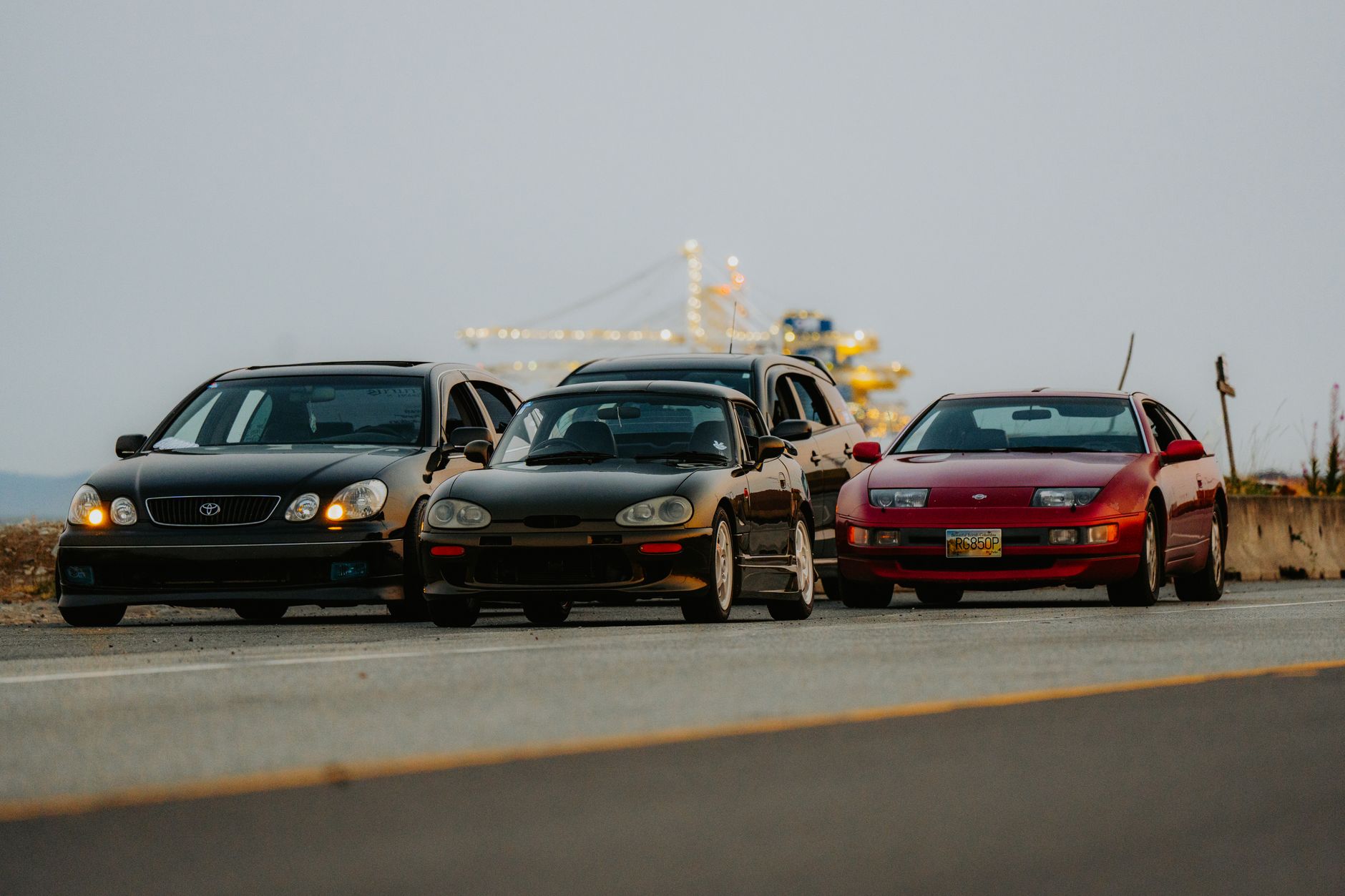
As Toyota evaluates its vast vehicle lineup for cost-cutting, recent headlines highlight the brand's enduring cultural footprint in the US.
The automotive industry is in a state of rapid transition, and legacy automakers are frequently caught between maintaining their historic market dominance and adapting to new economic realities. For a major manufacturer like Toyota, a brand deeply woven into the fabric of the United States auto market, this transition involves difficult decisions about its future product offerings. Balancing a sprawling portfolio of legacy combustion-engine vehicles against the need for operational efficiency requires a delicate corporate strategy.
Recent events across the country—from high-level executive decisions regarding production to chaotic, real-world incidents on southern highways—paint a comprehensive picture of where the brand currently stands. As leadership looks to trim the fat from its catalog, the enduring popularity of its classic models and the unpredictable environments its sports cars navigate underscore the complex ecosystem of the modern American road.
Strategic Downsizing at the Executive Level
Managing a global automotive brand requires constant evaluation of supply chains, manufacturing capabilities, and consumer demand. For decades, major automakers have expanded their catalogs to offer a highly specific vehicle for every conceivable demographic. However, this strategy of infinite expansion is beginning to show its limits.
According to recent reporting from Motor1, Toyota's Chief Executive Officer, Kenta Kon, has explicitly identified a significant issue within the company's current operational strategy: the brand simply has too many models. Kon intends to slash operational costs by systematically trimming the lineup.
By reducing the sheer number of unique vehicles in production, an automaker can achieve several critical efficiencies:
- Streamlining global supply chains by utilizing fewer unique parts across the brand.
- Reducing the complexity and overhead costs of retooling manufacturing facilities.
- Concentrating research and development budgets on core, high-performing vehicles rather than niche models.
- Simplifying the purchasing experience for consumers who may feel overwhelmed by a bloated dealership inventory.
This move toward consolidation suggests that Toyota is preparing to weather tighter economic conditions by focusing strictly on its most profitable and historically successful nameplates, rather than experimenting with marginal variations of existing cars.
The Enduring Premium of the Toyota Tacoma
As executives like Kenta Kon consider which models to keep and which to cut, the enduring legacy of Toyota's pickup trucks provides a clear indicator of what American consumers value. The used vehicle market often serves as a lagging indicator of a brand's true reputation for reliability and utility. In the United States, few vehicles maintain their value quite like older midsize trucks.
The Toyota Tacoma is perennially popular, maintaining a fiercely loyal customer base that heavily influences the used car market. According to automotive outlet Jalopnik, a 2003 Toyota Tacoma 4x4 recently surfaced on the market with an asking price of $12,500. Even factoring in various aftermarket upgrades, evaluating a vehicle that is over two decades old at a five-figure price tag is a remarkable testament to its perceived longevity.
For consumers and market analysts alike, the question of whether the upgrades justify such a price is a common debate. However, the very fact that a 23-year-old truck commands this kind of financial consideration highlights why certain models are completely immune to executive lineup trimming. Vehicles that build a multi-generational reputation for four-wheel-drive capability and mechanical resilience become foundational pillars of the brand's identity in the US market.
Unpredictable Hazards and Highway Pursuits
The cultural footprint of Toyota's vehicles extends far beyond dealership lots and used car listings; it frequently bleeds into the unpredictable, and sometimes bizarre, reality of local law enforcement and daily American life. The brand's sports cars, in particular, are frequently featured in high-profile incidents that underscore the diverse environments vehicles operate within across the country.
A highly unusual recent incident in Louisiana perfectly encapsulates this phenomenon, demonstrating what happens when the criminal justice system and the law of the jungle collide. According to reporting from both Road & Track and Jalopnik, a driver suspected of driving while intoxicated was behind the wheel of a Toyota Supra, attempting to evade local police in a high-speed pursuit.
The dangerous situation came to an abrupt halt when the suspect crashed the high-performance Toyota Supra directly into a concrete highway barrier. In a desperate bid to continue evading the authorities on foot, the suspect abandoned the heavily damaged sports car, jumped off the highway, and fled directly into a nearby swamp.
However, the evasion attempt was entirely thwarted by the local wildlife. Authorities reported that the fleeing suspect was promptly attacked by an alligator in the swamp. This unexpected and dangerous encounter with the Louisiana reptile slowed the driver down significantly, effectively assisting the sheriff's office in safely making the arrest. The bizarre event serves as a stark reminder of the dangers of driving while intoxicated, as well as the uniquely wild environments that flank America's interstate highway system.
The Emerging Threat of Agile Startups
While Toyota manages its massive existing lineup, celebrates the enduring value of its legacy trucks, and navigates the chaotic realities of its vehicles already on the road, the broader automotive industry continues to evolve. Legacy automakers are no longer exclusively competing with familiar rivals; they are facing mounting pressure from agile, specialized startups aiming to disrupt established vehicle segments, particularly in the realm of electrification.
As Toyota reevaluates its internal catalog to cut costs, smaller companies are attempting to carve out niches that larger brands may have overlooked. For example, the electric pickup truck market is seeing new, unconventional entrants that challenge the traditional, larger truck paradigms dominated by vehicles like the Tacoma.
According to Jalopnik, an automotive startup producing the Telo MT1—described as a tiny, adorable electric pickup truck—has recently moved one step closer to reality. The company recently announced a manufacturing partner, a crucial hurdle for any emerging automaker. While automotive journalists note that Telo's ultimate fate is still far from settled, the announcement of a manufacturing partner indicates tangible progress.
This development signals that despite the often-unsettled fate of electric vehicle startups, there is active momentum in the sector. Journalists who previously doubted the viability of such a small electric truck are now facing the prospect of having to eat their own words. For legacy giants like Toyota, the modest but real progress of vehicles like the Telo MT1 represents the new wave of highly specialized competition they must account for as they trim their own operations and look toward the future of the US auto market.
Key Takeaways
- Toyota CEO Kenta Kon aims to slash operational costs by trimming the company's extensive vehicle lineup.
- Legacy models like the Toyota Tacoma maintain incredibly high resale values, with 2003 4x4 models still commanding asking prices around $12,500.
- A recent high-speed pursuit in Louisiana ended when a DWI suspect crashed a Toyota Supra, fled into a swamp, and was attacked by an alligator.
- Legacy automakers face ongoing pressure from specialized startups, such as the makers of the Telo MT1 electric pickup, which recently secured a manufacturing partner.
Frequently asked questions
Why is Toyota's CEO looking to reduce the number of vehicle models?
CEO Kenta Kon has identified that the brand currently offers too many models. Trimming the lineup is a strategic move designed to slash operational costs and streamline manufacturing.
How well do older Toyota Tacomas hold their value?
The Toyota Tacoma is perennially popular and holds its value exceptionally well. Recently, a 2003 4x4 model with upgrades was listed on the used market for $12,500.
What happened to the driver of the Toyota Supra in Louisiana?
A DWI suspect crashed a Toyota Supra into a concrete barrier while fleeing police. The suspect then jumped into a swamp, where an alligator attack slowed him down, leading to his arrest.
- 01Jalopnik: Tiny, Adorable Telo MT1 Electric Pickup Truck Moves One Step Closer To Making Me Eat My Own Words
- 02Motor1: Toyota's New Boss Sees A Problem: Too Many Models
- 03Road & Track: Toyota Supra Driver Suspected of DWI Tries to Evade Police, Authorities Say, Winds Up Attacked by Alligator
This editorial article was written by US News Desk's editorial desk using current reporting from the publishers above. All facts were grounded against these sources.