Toyota's Shifting US Landscape: Model Cuts and Enduring Truck Demand
*As a new executive seeks to streamline Toyota's vast lineup, legacy models maintain strong market demand amid a changing US auto sector.*
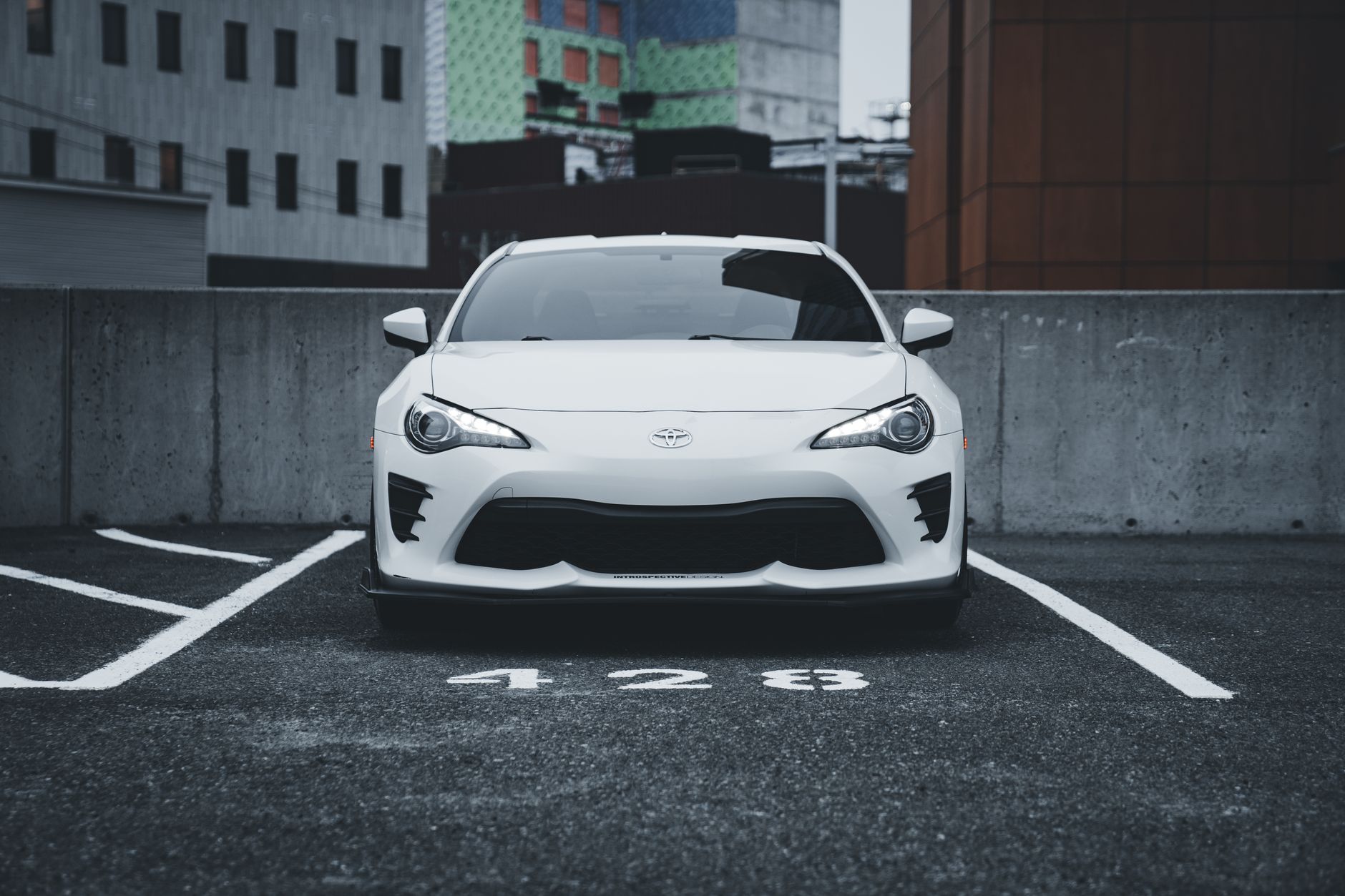
A Strategic Pivot: Trimming the Global Lineup
Toyota is facing a strategic turning point under new leadership as it evaluates its global and North American manufacturing footprint. According to reporting from Motor1, Toyota CEO Kenta Kon has identified a pressing operational hurdle within the company's broader sales strategy: the brand simply produces too many models. In an effort to maintain profitability and streamline global operations, Kon intends to slash costs by systematically trimming the automaker's extensive vehicle lineup.
For a global juggernaut like Toyota, producing dozens of distinct models—along with their various trims, drivetrains, and regional variants—requires massive logistical and financial overhead. Cutting down the number of active models allows an automaker to consolidate supply chains, simplify the manufacturing process, and focus research and development on its most profitable or technologically advanced vehicles. Kon’s mandate to reduce lineup bloat signals a shift toward leaner corporate operations. As the automotive industry continues its cost-intensive transition toward hybrid and fully electric technologies, legacy automakers are increasingly forced to justify the existence of every low-volume sports car and regional commuter vehicle on their roster.
The Unwavering Demand for Legacy Trucks
While Toyota executives in boardrooms plan to cull underperforming models, the company's legacy vehicles continue to demonstrate remarkable staying power in the American used car market. The enduring value of Toyota's midsize and full-size trucks highlights the intense loyalty of US consumers to reliable, utilitarian off-road vehicles.
A recent spotlight by Jalopnik on a 2003 Toyota Tacoma 4x4 listed for $12,500 underscores this specific market phenomenon. The publication noted that the Toyota pickup remains perennially popular among American drivers. While evaluating whether the specific aftermarket upgrades on the vehicle justify the asking price, the coverage illustrates a broader economic reality: older, well-maintained four-wheel-drive trucks retain their value at astonishing rates. For many consumers, a two-decade-old Tacoma still represents a durable, highly sought-after asset. This enduring popularity proves that while corporate leadership may focus on streamlining future offerings to cut costs, the brand’s historical output continues to dominate secondary markets and command premium prices.
Navigating a Changing Pickup Landscape
Toyota's internal restructuring arrives at a time when the broader United States vehicle market is experiencing an influx of unconventional competitors, particularly in the pickup sector. As legacy automakers evaluate their internal combustion and hybrid lineups, niche electric vehicle (EV) startups are attempting to capture a specific share of the utility market.
According to Jalopnik, the Telo MT1 electric pickup truck recently moved a crucial step closer to production following the announcement of a dedicated manufacturing partner. Described by the outlet as a "tiny, adorable" alternative to standard utility vehicles, the Telo MT1 offers a stark contrast to the massive footprint of traditional American trucks. Although Jalopnik notes that the ultimate fate of the Telo is still far from settled—a common reality in the volatile EV startup ecosystem—the progression represents a rare piece of good news for the company. The emergence of compact, electric utility vehicles like the Telo MT1 highlights an evolving consumer appetite. While companies like Toyota rely on the massive sales of established trucks like the Tacoma, upstart EV manufacturers are betting that a segment of the public is looking for smaller, zero-emission alternatives.
Unpredictable Pursuits and Local Wildlife
Beyond corporate strategy, market valuations, and the rise of new electric competitors, Toyota vehicles frequently find themselves at the center of the unpredictability inherent to American roadways. In one particularly bizarre incident recently reported by both Road & Track and Jalopnik, a routine traffic stop involving a Toyota sports car escalated into an unusual collision of law enforcement and local wildlife.
Authorities stated that a driver suspected of driving while intoxicated (DWI) attempted to evade police while behind the wheel of a Toyota Supra. The high-speed pursuit ended abruptly when the suspect crashed the performance vehicle into a concrete highway barrier. Attempting to escape the authorities on foot, the suspect jumped off the highway infrastructure and waded directly into an adjacent Louisiana swamp.
However, the evasion attempt was cut short when the suspect was promptly attacked by an alligator in the water. The encounter with the local reptile significantly slowed the fleeing driver, effectively assisting the sheriff's office, who was then able to move in and safely make the arrest. Road & Track summarized the chaotic event as a moment where the criminal justice system and the law of the jungle collided head-on, providing a stark and unusual reminder of the unpredictable regional hazards present along America's interstate systems.
Key Takeaways
- Toyota CEO Kenta Kon plans to slash operational costs by actively reducing the automaker's vast global model lineup.
- Older Toyota vehicles, particularly trucks like the 2003 Toyota Tacoma, continue to hold immense resale value in the US used market.
- Small EV startups, such as the creators of the Telo MT1 electric pickup, are securing manufacturing partners to compete in the evolving US truck sector.
- In a bizarre US highway incident, a fleeing DWI suspect crashed a Toyota Supra and was subsequently attacked by an alligator, which slowed him down for police capture.
Frequently asked questions
Why is Toyota planning to trim its vehicle lineup?
According to reporting from Motor1, Toyota CEO Kenta Kon believes the company produces too many models. He intends to streamline the roster to slash manufacturing costs and improve overall corporate efficiency.
Are older Toyota trucks still valuable in the US market?
Yes. A recent feature by Jalopnik highlighted a 2003 Toyota Tacoma 4x4 priced at $12,500, pointing out that Toyota pickups remain perennially popular and command high prices even after decades of use.
What happened to the fleeing Toyota Supra driver?
According to Road & Track and Jalopnik, a suspected DWI driver crashed a Toyota Supra into a concrete barrier while fleeing police. The suspect jumped into a nearby swamp, was attacked by an alligator, and was subsequently arrested by the sheriff's office.
- 01Jalopnik: Tiny, Adorable Telo MT1 Electric Pickup Truck Moves One Step Closer To Making Me Eat My Own Words
- 02Motor1: Toyota's New Boss Sees A Problem: Too Many Models
- 03Road & Track: Toyota Supra Driver Suspected of DWI Tries to Evade Police, Authorities Say, Winds Up Attacked by Alligator
This editorial article was written by US News Desk's editorial desk using current reporting from the publishers above. All facts were grounded against these sources.