Transportation Tech: Hybrid Innovations, EV Startups, and Safety Laws
*As automakers blend electric power with traditional designs, supply chain accountability and historic logistics firms anchor the industry.*
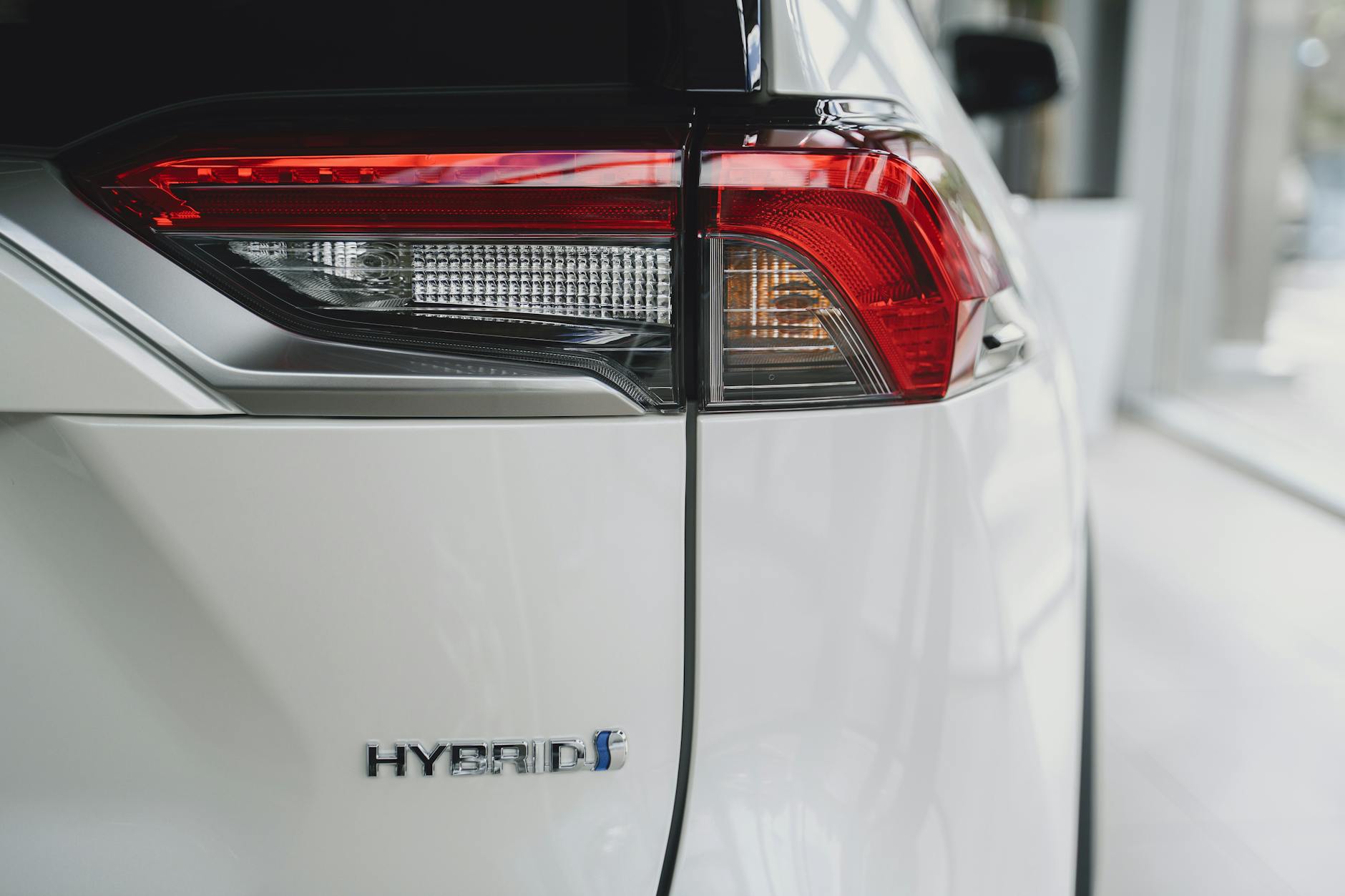
As automakers blend electric power with traditional designs, supply chain accountability and historic logistics firms anchor the industry.
The global transportation sector is currently navigating a pivotal transition period. From legacy luxury brands introducing high-performance hybrid systems to the emergence of niche electric vehicle startups, the industry is balancing modern technological demands with practical manufacturing realities. Concurrently, the complexities of an international supply chain continue to raise significant legal and safety challenges, while enduring domestic logistics companies highlight the foundational resilience required to survive in the commercial transit business.
Recent reporting across the automotive and business technology landscape underscores how passenger vehicles, safety technology accountability, and commercial fleet management are evolving in the mid-2020s.
The Hybrid Bridge and Subcompact Tech Evolution
While fully electric vehicles frequently dominate headlines, major automakers are heavily investing in advanced plug-in hybrid electric vehicle (PHEV) architectures to bridge the gap between internal combustion and total electrification. This strategy caters to consumers seeking zero-emission daily driving without sacrificing the long-range capabilities or high-performance metrics associated with traditional gasoline engines.
According to reporting by Car and Driver, the upcoming 2027 Mercedes-AMG E53 wagon exemplifies this strategic balance. The performance-oriented model is slated to feature a highly advanced plug-in-hybrid powertrain capable of producing up to 604 horsepower. Alongside its high output, the vehicle offers an estimated 40 miles of electric-only driving range. This dual capability allows the E53 wagon to operate purely on battery power for typical short commutes, while relying on its internal combustion engine for extended travel or aggressive performance demands. Car and Driver also notes that the vehicle is designed to blend utility with luxury, incorporating a significantly updated interior equipped with the latest automotive technology.
In the more accessible consumer market segments, automakers are similarly focused on integrating modern technology into smaller, more efficient packages. Car and Driver recently detailed expectations for the 2026 Toyota C-HR, noting that the subcompact crossover is expected to maintain its reputation for distinctive styling while integrating modern technological advancements. The continued focus on subcompact crossovers reflects sustained market demand for vehicles that offer the elevated ride height and utility of traditional SUVs, but with smaller footprints and highly modernized interior features across various pricing tiers.
Manufacturing Hurdles for Niche EV Startups
As legacy automakers refine their hybrid and crossover lineups, a parallel industry of electric vehicle startups is attempting to redefine the physical footprint of passenger vehicles. The transition from concept design to actual production remains one of the highest barriers to entry in the automotive technology sector, requiring massive capital investment and complex logistical coordination.
One such company attempting to break through is Telo, a startup focused on micro-mobility and compact utility. According to Jalopnik, Telo is developing the MT1, which is described as a tiny and adorable electric pickup truck. Bringing a new vehicle to market is historically perilous for independent startups, but Telo has recently made significant progress. Jalopnik reports that the company has officially announced a manufacturing partner, moving the compact electric pickup one step closer to actual production. While the ultimate fate of the Telo MT1 is still far from settled, securing a dedicated manufacturing partner is an essential milestone that moves the company closer to bringing its unconventional, scaled-down EV to consumers.
Accountability in Automotive Safety Technology
Beyond vehicle design and propulsion, the underlying supply chains that provide critical automotive safety technology are facing intense legal scrutiny. Modern passenger vehicles rely on highly sensitive, explosive safety devices—most notably airbags—to protect occupants during collisions. When the integrity of these supply chains is compromised by counterfeit parts, the physical risks to consumers and the financial liabilities for suppliers are immense.
Recently, the severe consequences of compromised safety components were highlighted in a landmark legal judgment. As reported by Road & Track, a Florida jury awarded $603 million to the family of a deceased woman in a major lawsuit centered on a counterfeit airbag death. The lawsuit targeted the airbag's supplier, a Chinese company named Jilin Province Detiannuo Safety Technology Co., Ltd.
Notably, the supplier failed to attend the trial in Florida, resulting in the massive financial award. This case underscores the complex vulnerabilities inherent in global automotive supply chains, where specialized components are manufactured overseas and integrated into vehicles domestically. The unprecedented $603 million judgment serves as a stark indicator of the legal accountability surrounding automotive safety technology, even when international suppliers attempt to distance themselves from domestic legal proceedings.
A Century of Adaptation in Commercial Fleets
While advanced hybrids, experimental EV startups, and global supply chain lawsuits represent the modern cutting edge of the transportation industry, the operational backbone of the sector remains rooted in commercial fleet management. The ability to adapt to changing technologies—from horse-drawn carts to modern motorized trucks—is a rare hallmark of business endurance.
Jalopnik recently highlighted the extraordinary history of E.E. Ward Moving and Storage, which stands as one of America's oldest trucking companies. Founded 140 years ago, the company began its operations a full five years before the very first automobile was built.
Today, E.E. Ward is recognized as the oldest African-American-owned business in the United States. Through more than a century of technological and economic shifts, the company has successfully transitioned its business model to keep pace with modern logistics. E.E. Ward Moving and Storage currently operates a robust commercial fleet consisting of 45 trucks and employs 75 people. The company's longevity provides a striking historical contrast to the volatile nature of modern transportation startups, proving that foundational logistics and a willingness to adopt new technologies across generations are the true keys to commercial survival.
Looking Ahead
The technological and business narratives currently shaping the automotive sector reveal an industry in deep transition. Key developments to monitor include:
- Hybridization as a Performance Tool: Automakers utilizing plug-in hybrid technology to boost horsepower while simultaneously meeting low-emission commuting standards.
- Startup Viability: The reliance of independent EV companies on third-party manufacturing partners to survive the difficult transition from prototype to production.
- Supply Chain Legal Scrutiny: Increased domestic legal actions targeting international parts suppliers over counterfeit safety technologies.
- Historical Endurance: The ongoing success of legacy logistics companies that continue to adapt to new eras of commercial transit.
As the infrastructure surrounding passenger and commercial transit continues to evolve, the integration of advanced propulsion, rigorous safety standards, and adaptable business models will ultimately determine the future leaders of the global transportation market.
Key Takeaways
- Legacy automakers are utilizing plug-in hybrid technology to blend high performance with zero-emission daily commuting, as seen in the 604-horsepower 2027 Mercedes-AMG E53 wagon.
- A Florida jury awarded $603 million in a counterfeit airbag death lawsuit against Chinese supplier Jilin Province Detiannuo Safety Technology Co., Ltd, which failed to attend the trial.
- Founded 140 years ago, E.E. Ward Moving and Storage is the oldest African-American-owned business in the US, currently operating a fleet of 45 trucks.
Frequently asked questions
What is the expected electric range of the 2027 Mercedes-AMG E53 wagon?
According to Car and Driver, the 2027 Mercedes-AMG E53 wagon features an estimated electric-only driving range of 40 miles from its plug-in hybrid powertrain.
Why was a $603 million judgment awarded in a recent Florida airbag lawsuit?
A Florida jury awarded $603 million to a deceased woman's family due to a counterfeit airbag death. The Chinese supplier, Jilin Province Detiannuo Safety Technology Co., Ltd, failed to attend the trial.
What is the oldest African-American-owned business in the United States?
E.E. Ward Moving and Storage, founded 140 years ago—five years before the first car was built—is recognized as the oldest African-American-owned business in the US.
- 01Car and Driver: 2027 Mercedes-AMG E53 Wagon
- 02Jalopnik: Tiny, Adorable Telo MT1 Electric Pickup Truck Moves One Step Closer To Making Me Eat My Own Words
- 03Road & Track: Deceased Woman’s Family Awarded $603 Million in Counterfeit Airbag Death Lawsuit
This editorial article was written by US News Desk's editorial desk using current reporting from the publishers above. All facts were grounded against these sources.