US Automotive Trends: EV Batteries to 100K-Mile Maintenance
*From managing electric vehicle degradation to navigating long-term maintenance, the US car market is undergoing a mechanical evolution.*
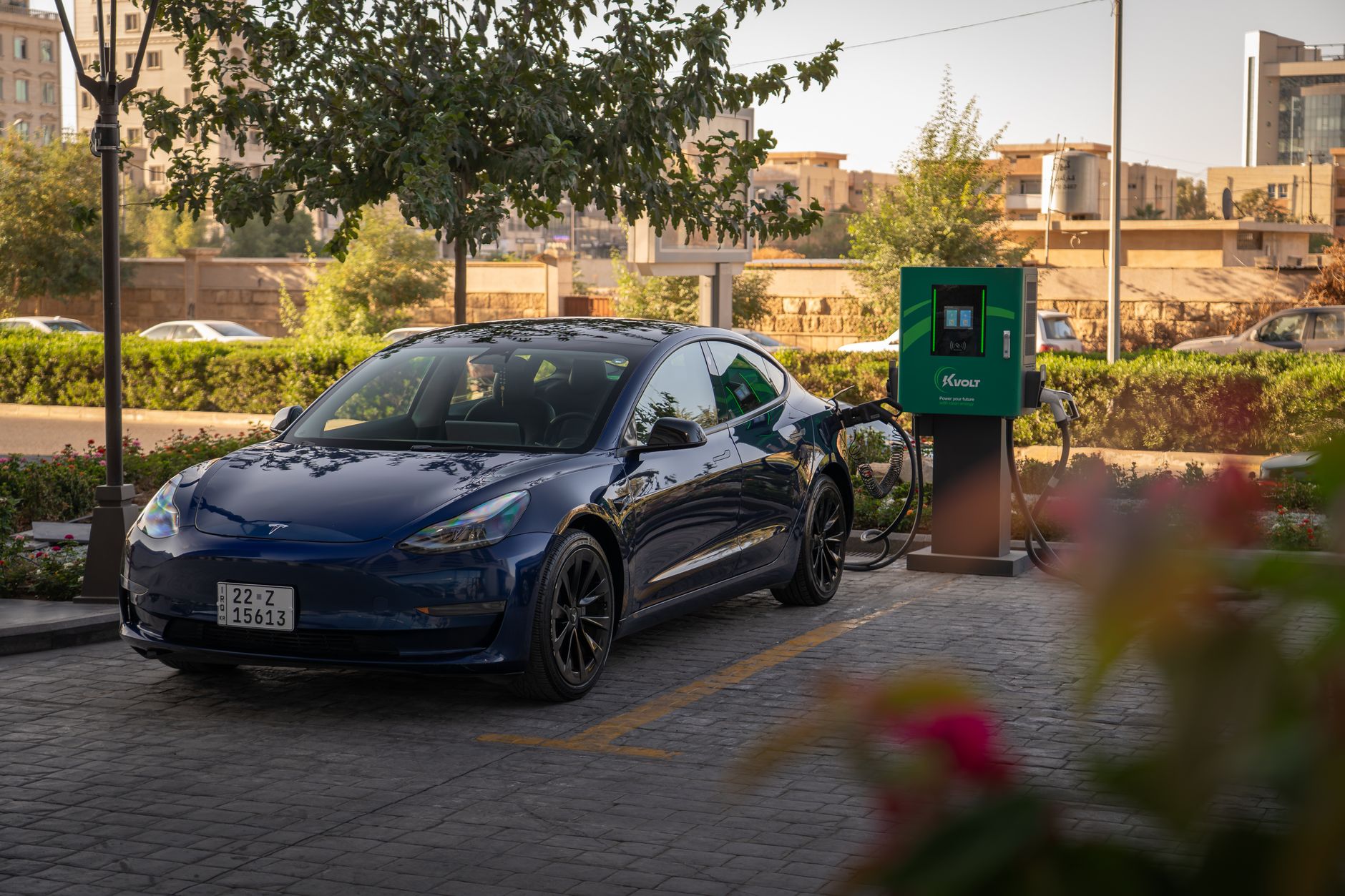
The landscape of popular cars in the United States is defined by a fascinating duality. On one end of the spectrum, motorists are rapidly adopting advanced electric vehicles and testing the long-term limits of modern battery architecture. On the other end, a massive segment of the population continues to rely on aging internal combustion engines, pushing their vehicles past significant mileage milestones that require strict, preventative care to remain roadworthy.
Understanding what drives the modern American automotive market requires looking beyond simple sales figures. It requires an examination of how vehicles are maintained, how emerging electric luxury cars are competing for market dominance, and how automotive culture—from grueling motorsports to nostalgic media—continues to capture the public's imagination.
The Realities of Electric Vehicle Battery Degradation
One of the most persistent concerns for drivers transitioning to electric vehicles is battery longevity. For popular models navigating the American highway system, the degradation curve of a battery pack dictates both the vehicle's functional lifespan and its resale value.
Recent reporting by InsideEVs sheds light on how these power systems behave over time, specifically looking at a Tesla Model Y equipped with an LFP (lithium iron phosphate) battery pack. The vehicle in question was subjected to frequent fast charging—a practice that has historically raised concerns about accelerated battery wear.
According to the battery health test, the initial results appeared concerning. The Tesla Model Y exhibited a sharp early drop in its battery capacity. However, as the testing progressed, a more encouraging pattern emerged: the degradation almost entirely stopped. The battery pack effectively settled down into a stable state, suggesting that a steep initial drop in battery health does not necessarily predict continuous, linear failure.
For consumers evaluating the long-term viability of an electric vehicle, this pattern provides crucial context. It demonstrates that modern battery management systems and LFP chemistries can stabilize even after periods of heavy fast charging, alleviating some of the anxiety associated with EV ownership.
A New Era of Luxury EV Competition
While functional, everyday EVs dominate suburban driveways, the high-performance and luxury sectors are quietly setting the stage for intense competition. Automakers are completely reimagining their grand tourers for the electric age, resulting in vehicles that aim to blend high-end opulence with immense electric torque.
According to reporting by Autocar, the upcoming electric Mercedes-AMG GT 4-Door Coupé is poised to serve as a critical benchmark for this emerging segment. Industry observers are looking to this specific Mercedes model as the best indication yet of how its closest competitors will perform when they eventually reach the market.
Chief among those competitors is the upcoming Jaguar Type 01 GT. Autocar notes that the Mercedes-AMG GT EV will likely be the Jaguar's biggest rival, pointing out that the two vehicles are remarkably similar across several key metrics. They share a similar size, overarching ethos, power output, general purpose, and even marketing strategies.
This fierce rivalry highlights a broader trend in the automotive industry: as luxury brands pivot to battery-electric platforms, they are increasingly targeting the exact same affluent demographic with identically proportioned, high-power touring vehicles. The success of the Mercedes-AMG GT EV will likely dictate the market expectations for Jaguar's new flagship, shaping the future of electric grand touring in the process.
Navigating the 100,000-Mile Maintenance Milestone
Despite the rapid innovation in the electric vehicle sector, the backbone of the American automotive fleet remains older, high-mileage cars. As vehicle prices fluctuate, many drivers choose to keep their current cars on the road longer, inevitably pushing them toward the six-figure mileage mark.
Reaching 100,000 miles is a psychological milestone for any vehicle owner, but it is also a critical mechanical threshold. According to Jalopnik, there are seven specific car parts and fluids that typically require attention and replacement by the time a car hits this distance.
The primary danger at this stage of a vehicle's life is complacency. As Jalopnik notes, many cars still feel perfectly fine to drive even after crossing the 100,000-mile mark. Because the engine may sound normal and the handling may feel familiar, owners are often tempted to skip essential preventative maintenance.
However, this false sense of security can mask hidden wear in key operational systems. Ignoring these wear-and-tear components can have cascading effects on the vehicle's health. What begins as a minor, manageable maintenance task can quickly transform into a major, highly expensive repair decision if crucial parts and fluids are not replaced on schedule. Ensuring these systems are addressed is the difference between a car that safely reaches 200,000 miles and one that ends up prematurely in a salvage yard.
The Endurance of American Car Culture
Beyond practical maintenance and technological shifts, the popularity of cars in the US is deeply intertwined with motorsports and automotive media. The sheer passion for performance driving continues to draw immense crowds and viewership.
One of the most extreme examples of this passion is the legendary Pikes Peak hillclimb. Autocar highlights the event as an absolute icon in the motorsport world and one of the most grueling races of the calendar year. The twisting, 12.42-mile course challenges drivers and engineers alike, pushing both combustion and electric vehicles to their absolute limits in high-altitude conditions.
Yet, not all automotive enthusiasm requires standing trackside at a treacherous mountain pass. For many enthusiasts, engaging with car culture is a more relaxed, nostalgic pursuit. Jalopnik points out that fans hungry for vintage automotive content can now easily access full-length episodes of "Fifth Gear Classic" through a dedicated YouTube playlist.
This archive offers a weekend retreat for those looking to revisit the distinct cars and fashion of the early 2000s. It serves as a reminder of how quickly automotive trends evolve, contrasting the mechanical simplicity and distinct styling of older vehicles with the hyper-advanced, battery-powered machines entering the market today.
Whether it is tracking the degradation curves of modern electric batteries, comparing the latest high-performance luxury EVs, meticulously maintaining a high-mileage daily driver, or simply watching classic motoring shows from decades past, the automotive landscape remains as complex and engaging as ever.
Key Takeaways
- Tesla Model Y LFP batteries may show a sharp initial drop in health before stabilizing, even with frequent fast charging.
- The upcoming Mercedes-AMG GT EV and Jaguar Type 01 GT are expected to be fierce rivals, sharing similar size, power, and marketing strategies.
- Vehicles reaching 100,000 miles require the replacement of seven key parts and fluids to prevent hidden wear from causing major failures.
- Motorsport events like the twisting 12.42-mile Pikes Peak hillclimb remain highly celebrated icons of car culture.
- Nostalgic automotive media, such as early 2000s episodes of Fifth Gear Classic, continue to draw strong viewership online.
Frequently asked questions
Does fast charging ruin an EV battery over time?
Recent tests on a Tesla Model Y LFP battery showed that while fast charging may contribute to an early drop in battery health, the degradation curve can eventually settle down and plateau.
What vehicle will rival the new Jaguar Type 01 GT?
The upcoming electric Mercedes-AMG GT 4-Door Coupé is expected to be the biggest rival to the Jaguar Type 01 GT, as they share similar size, power, and ethos.
Why is 100,000 miles an important milestone for vehicle maintenance?
Even if a car feels fine to drive, hidden wear in key systems reaches a critical point at 100,000 miles. Replacing specific parts and fluids at this stage prevents minor maintenance from turning into major repairs.
- 01Autocar: It's Pikes Peak time: Why you should watch mad hillclimb this weekend
- 02InsideEVs: A Tesla Model Y Battery Test Looked Bad. Then The Degradation Almost Stopped
- 03Jalopnik: Fifth Gear Classic's Full-Length Episode YouTube Playlist Revisits The Excellent Cars And Fashion Of The Early 2000s
This editorial article was written by US News Desk's editorial desk using current reporting from the publishers above. All facts were grounded against these sources.