Ford Shifts Strategy as US Auto Market Embraces Hybrids and New EVs
*As Ford adjusts its F-150 engines and EV platforms, the US vehicle market sees battery shifts and the return of a nostalgic Honda hybrid.*
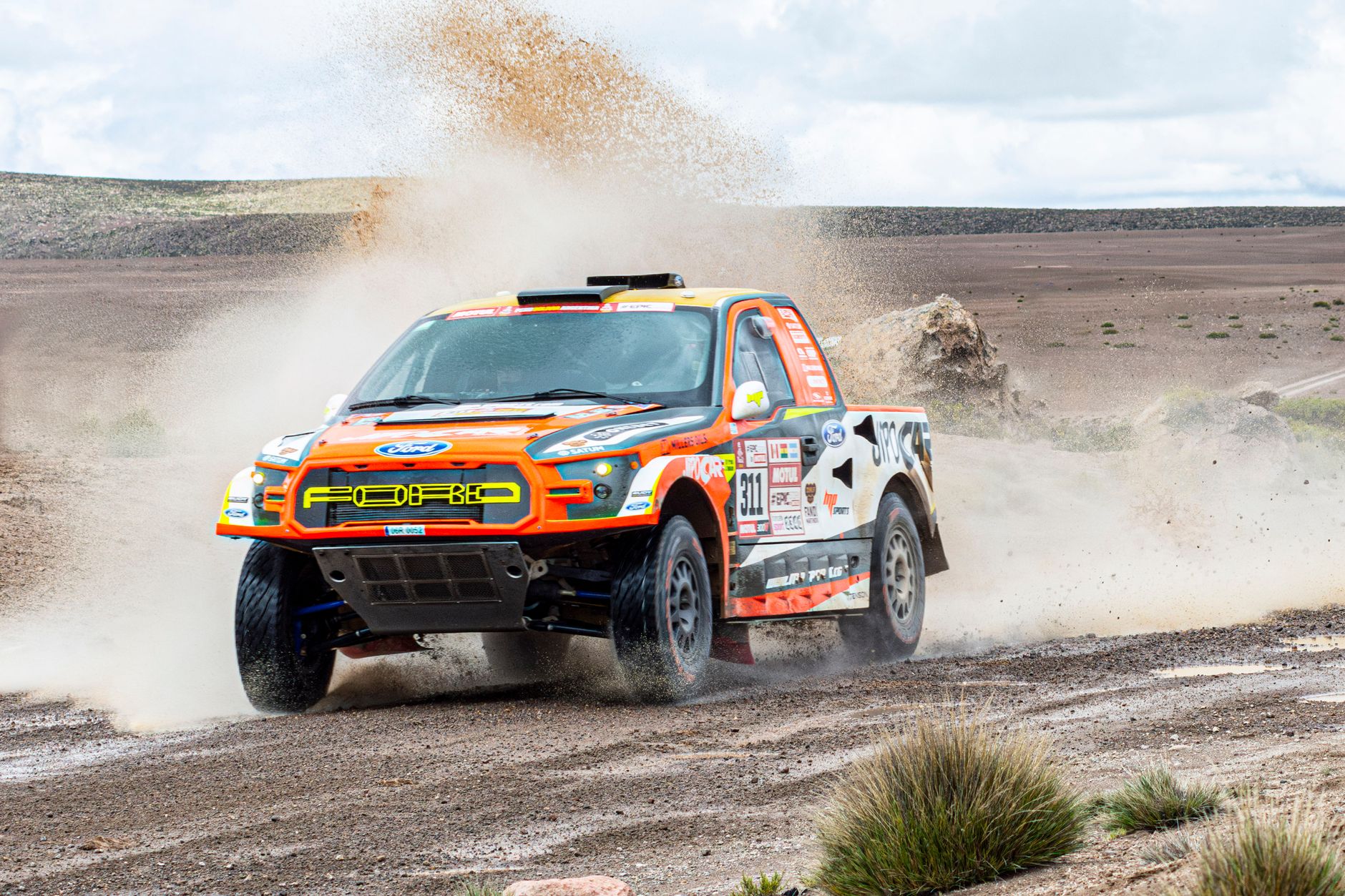
As Ford adjusts its F-150 engines and EV platforms, the US vehicle market sees battery shifts and the return of a nostalgic Honda hybrid.
The United States automotive industry is undergoing a period of significant transition, driven by changing consumer preferences, evolving emission strategies, and aggressive technological advancements. Legacy automakers and emerging startups alike are recalibrating their product lineups to navigate a market that demands both capable traditional trucks and accessible electrified options. Recent strategic moves by major players—particularly involving Ford's engine offerings and electric vehicle platforms—highlight a broader transformation across multiple vehicle segments.
From high-end pickup trucks dropping historic engine formats to the planned revival of discontinued crossovers, automakers are repositioning themselves for the end of the decade. By examining recent adjustments to the Ford F-150, the uncertain future of the Mustang Mach-E, shifting battery chemistries in the EV sector, and Honda's renewed focus on hybrid adventure vehicles, a clear picture emerges of a highly competitive and rapidly changing US vehicle landscape.
The Evolution of Premium Pickups
For decades, the full-size half-ton pickup truck has been a dominant force in the American automotive market, with the Ford F-150 consistently leading the pack. Historically, buyers of these highly capable vehicles have prized traditional V8 engines for their perceived durability, towing capacity, and classic driving feel. However, Ford is now making a definitive change to its upper-echelon truck trims.
According to reporting from The Drive, Ford is officially dropping the V8 engine option from its top-spec F-150 models—specifically the luxurious King Ranch and Platinum editions. Consumers in the market for these high-end, premium half-ton trucks will no longer be able to select the traditional V8 powertrain.
Instead, buyers investing in these top-tier configurations will have to be satisfied with the EcoBoost V6 engine. This marks a major turning point for the automaker, signaling that its modern V6 technology is now positioned as the definitive flagship powertrain for its most expensive and "highfalutin" consumer trucks, phasing out the V8 for buyers seeking peak luxury and performance combinations.
A Changing Electric Roadmap for Ford
While Ford adjusts its combustion-engine truck lineup, it is simultaneously restructuring its electric vehicle strategy. The introduction of the Mustang Mach-E was a watershed moment for the manufacturer. By leveraging one of its most iconic nameplates, the Mach-E succeeded in capturing widespread attention and, according to InsideEVs, helped transform Ford into a legitimate and serious contender in the competitive electric vehicle space.
Despite this initial success, the future of the model appears to be shifting. InsideEVs reports that the Mustang Mach-E will not transition to Ford's forthcoming new electric vehicle platform. This strategic platform shift suggests that the company’s revised electrification plan may leave the current Mach-E without a direct successor.
Automakers frequently develop new underlying architectures to improve manufacturing efficiency, extend battery range, and reduce production costs. However, omitting a pioneering model like the Mach-E from the next generation of EV platforms indicates a significant pivot in how Ford intends to market and structure its future electric passenger vehicles.
Battery Chemistry and the Push for Affordability
The changes in the electric vehicle market extend beyond platform architecture; they also involve the fundamental chemistry powering the vehicles. As the industry attempts to move beyond early adopters, producing affordable EVs has become a primary objective. Startups and new models are constantly weighing the costs and benefits of different battery types to achieve this goal.
According to InsideEVs, the forthcoming Slate Truck serves as a prime example of this shifting strategy. The vehicle is being designed as a bare-bones, affordable electric vehicle, targeting consumers who want electric utility without a massive price tag. Key details regarding its development include:
- The company initially planned to utilize NMC (nickel manganese cobalt) cells for the truck.
- NMC batteries have traditionally been favored for their energy density, but they can be costly to produce.
- Slate has since changed course and will now use LFP (lithium iron phosphate) batteries instead.
This pivot to LFP batteries highlights a growing trend in the automotive sector, where manufacturers are opting for alternative battery chemistries to control costs and deliver more budget-friendly electric options to the American public.
The Hybrid Revival and New Competition
As fully electric vehicle strategies fluctuate, the hybrid market is experiencing a robust resurgence, driven by consumers seeking improved fuel economy alongside rugged utility. Competitors are actively targeting segments where Ford currently enjoys strong sales, particularly the adventure-oriented crossover market.
According to reports from Car and Driver and The Drive, Honda is preparing to re-enter this space by reviving the Honda Element. Slated to return in 2029, the new iteration is planned as a US-built hybrid crossover. The original Honda Element was celebrated for its distinctively boxy look and highly utilitarian interior, eventually cultivating a dedicated cult following before Honda officially discontinued the model in 2011.
By bringing the Element back as an affordable hybrid, Honda is taking direct aim at modern adventure-minded buyers. The Drive reports that Honda's specific goal with this revival is to steal sales from the Ford Bronco Sport, a popular vehicle that currently dominates the rugged compact crossover segment. This move underscores the competitive pressure Ford faces not just in the EV and full-size truck markets, but also in the fiercely contested crossover space.
Ultimately, these combined developments—from the discontinuation of the V8 in premium F-150s to the return of a hybrid Honda Element—demonstrate an auto industry in the midst of rapid recalibration. Whether optimizing traditional combustion engines, pioneering new battery applications, or tapping into nostalgia to launch new hybrids, automakers are leaving no stone unturned as they race to define the next decade of American driving.
Key Takeaways
- Ford is dropping the V8 engine option from its top-tier F-150 King Ranch and Platinum trims, leaving high-end buyers with the EcoBoost V6.
- Despite making Ford a major EV contender, the Mustang Mach-E will not move to the automaker's new electric platform, potentially leaving it without a direct successor.
- Honda plans to revive the boxy, cult-classic Element in 2029 as a US-built hybrid crossover to directly compete with the Ford Bronco Sport.
Frequently asked questions
No. Ford is dropping the V8 from its top-spec F-150 King Ranch and Platinum models, meaning buyers will need to opt for an EcoBoost V6.
Is the Mustang Mach-E getting a direct successor?
It appears unlikely at this time. Reports indicate the Mach-E will not transition to Ford's new EV platform, which may leave the model without a direct successor.
When is the Honda Element returning to the market?
According to industry reports, the Honda Element is slated to return in 2029 as an affordable, US-built hybrid crossover.
- 01InsideEVs: The Mustang Mach-E Won't Move To Ford's New EV Platform
- 02The Drive: The Honda Element Is Returning in 2029 as a US-Built Hybrid Crossover: Report
- 03Car and Driver: Honda Element to Return as an Affordable Hybrid in 2029: Report
This editorial article was written by US News Desk's editorial desk using current reporting from the publishers above. All facts were grounded against these sources.