Ford's Evolving US Lineup: Powertrain Shifts, EV Platforms, and New Hybrid Rivals
*As the US auto market shifts, Ford is altering its F-150 configurations and reevaluating electric models amidst rising hybrid competition.*
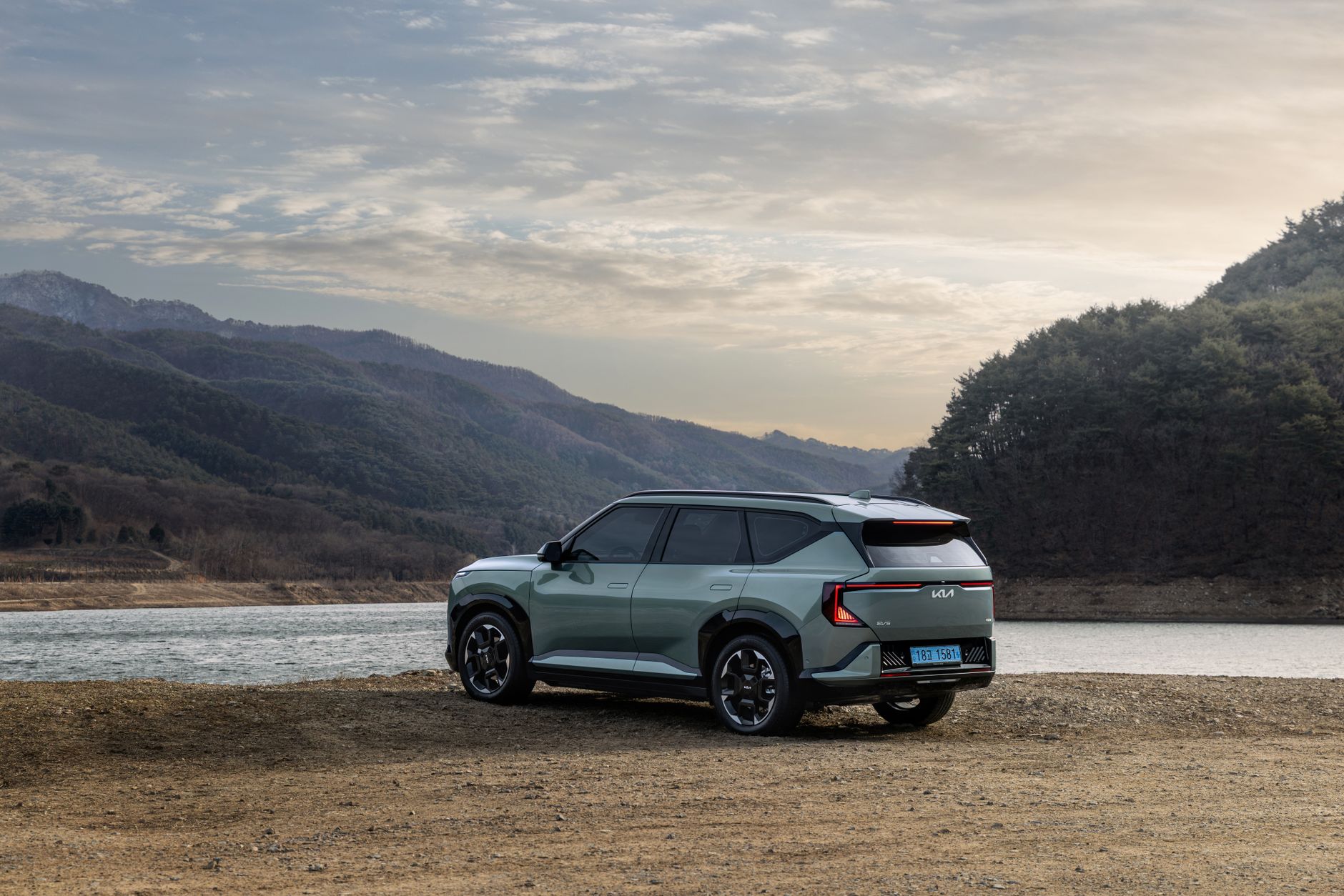
As the US auto market shifts, Ford is altering its F-150 configurations and reevaluating electric models amidst rising hybrid competition.
Rethinking the American Half-Ton Truck
The Ford F-150 has long been a bellwether for the American automotive industry, dictating trends in the highly competitive half-ton pickup market. For decades, the presence of a V8 engine was synonymous with capability, premium status, and the traditional truck experience. However, powertrain strategies are shifting rapidly across the sector.
According to reporting from The Drive, Ford is making a significant change to its flagship truck by dropping the V8 engine option from its top-spec F-150 trims. Specifically, consumers in the market for the highfalutin King Ranch and Platinum editions will no longer have access to a V8. Instead, buyers of these luxury configurations will have to be content with an EcoBoost V6 engine.
This transition underscores a broader industry movement toward forced-induction engines. By utilizing advanced turbocharging, smaller displacement engines like the EcoBoost V6 can produce the horsepower and torque necessary to move heavy vehicles, while aiming for better efficiency profiles. For a loyal consumer base that has historically equated premium trucks with V8 power, the mandatory shift to a V6 on Ford's most expensive trims represents a major cultural milestone in American truck manufacturing.
The Evolving Electric Portfolio
Beyond internal combustion engines, Ford's electric vehicle strategy is also undergoing a critical reevaluation. When the automaker launched the Mustang Mach-E, it took a substantial risk by attaching one of its most storied heritage nameplates to a battery-electric crossover. The gamble largely paid off; as InsideEVs notes, the Mach-E helped transform Ford into a genuine contender in the modern EV market.
Yet, the rapid pace of electric vehicle development means that first-generation architectures are quickly superseded by new technology. InsideEVs reports that the current Mustang Mach-E will not be transitioning to Ford's new, next-generation EV platform. This strategic pivot suggests that the pioneering crossover may be left without a direct successor in the company's future lineup.
Automakers are constantly iterating on their underlying electric platforms—the modular skateboards that house the battery packs and electric motors—to reduce weight, improve charging speeds, and cut manufacturing costs. Ford's decision to pivot its upcoming models to a distinct new platform indicates that the brand is preparing for a radically different second wave of electric vehicles, even if it means eventually sunsetting its inaugural heavy-hitter.
The Search for Affordable Battery Solutions
The decisions surrounding next-generation EV platforms are deeply intertwined with battery chemistry. As automakers look to scale production and appeal to budget-conscious consumers, the materials powering these vehicles are under intense scrutiny.
This dynamic is clearly illustrated by the Slate truck. Originally, Slate planned to utilize Nickel Manganese Cobalt (NMC) cells for its highly anticipated, bare-bones affordable electric vehicle. NMC batteries have traditionally been the industry standard due to their high energy density, which typically allows for longer driving ranges. However, InsideEVs reports that Slate has changed course and will instead utilize Lithium Iron Phosphate (LFP) batteries.
The pivot to LFP technology is becoming increasingly common among manufacturers aiming to build entry-level electric vehicles. While LFP batteries typically offer lower energy density than their NMC counterparts, they boast several distinct advantages. They are generally less expensive to produce, rely on more abundant raw materials, and offer robust longevity. For a vehicle marketed as a straightforward, affordable electric option, the adoption of LFP batteries aligns with the broader industry goal of reducing the entry price for EV adoption.
Honda's Nostalgic Hybrid Threat to the Bronco Sport
While fully electric platforms navigate the complexities of manufacturing costs and battery sourcing, the hybrid vehicle market is experiencing a massive resurgence. Consumers are increasingly drawn to hybrid powertrains that bridge the gap between traditional fuel and electrification, particularly in the highly lucrative off-road and crossover segments.
Ford currently enjoys a strong position in this space with the Bronco Sport, a compact crossover tailored for outdoor recreation. However, formidable competition is on the horizon. According to Car and Driver and The Drive, the Honda Element is slated to return to the market in 2029 as an affordable hybrid crossover.
The original Honda Element, which was discontinued in 2011, was defined by its distinctly boxy look, highly versatile interior, and unique silhouette. Over the years, it cultivated a dedicated cult following among drivers who prioritized utility and outdoor capability.
Honda's strategy with the 2029 Element revival is clear: to tap into the modern demographic of adventure-minded buyers. Crucially, the new Element will be a US-built hybrid aimed directly at stealing sales from the Ford Bronco Sport. This strategy highlights a growing trend in the American auto market, where manufacturers are reviving nostalgic, purpose-built nameplates and equipping them with efficient hybrid powertrains to attract active lifestyle consumers.
The Road Ahead for US Automakers
The American automotive landscape is fracturing into specialized segments, each requiring unique engineering and marketing approaches. To remain competitive, automakers are currently balancing several distinct priorities:
- Powertrain downsizing: Phasing out large-displacement V8 engines in favor of turbocharged V6s, even in premium, top-tier luxury trucks.
- Platform evolution: Iterating rapidly on EV architectures, which can result in early-generation models like the Mach-E lacking direct successors.
- Battery chemistry pivots: Embracing LFP battery technology to lower the production costs of bare-bones, entry-level electric vehicles.
- Nostalgic revivals: Resurrecting discontinued, boxy nameplates like the Honda Element as modern hybrids to capture adventure-focused demographics.
As the end of the decade approaches, the battle for consumer driveways will be fought across multiple fronts. From luxury pickups shedding their historic V8s to the revival of cult-classic crossovers, automakers are fundamentally rewriting their product playbooks to meet the demands of a changing market.
Key Takeaways
- Ford is dropping the traditional V8 engine option from its top-spec F-150 King Ranch and Platinum trims in favor of the EcoBoost V6.
- The Mustang Mach-E will not transition to Ford's new EV platform, potentially leaving the vehicle without a direct successor.
- Honda plans to revive the cult-classic Element in 2029 as a US-built hybrid crossover directly targeting Ford Bronco Sport buyers.
Frequently asked questions
Will the Ford F-150 King Ranch and Platinum still offer a V8 engine?
No. Ford is dropping the V8 from the top-spec King Ranch and Platinum trims, meaning buyers will have to opt for the EcoBoost V6.
Is the Mustang Mach-E being discontinued?
While Ford hasn't explicitly announced a discontinuation, reports indicate the Mach-E won't move to Ford's new EV platform, which may leave it without a direct successor.
When is the Honda Element returning?
The Honda Element is reportedly returning in 2029 as a US-built, affordable hybrid crossover aimed at adventure-minded buyers.
- 01InsideEVs: The Mustang Mach-E Won't Move To Ford's New EV Platform
- 02The Drive: The Honda Element Is Returning in 2029 as a US-Built Hybrid Crossover: Report
- 03Car and Driver: Honda Element to Return as an Affordable Hybrid in 2029: Report
This editorial article was written by US News Desk's editorial desk using current reporting from the publishers above. All facts were grounded against these sources.