Global Auto Shifts: Corporate Restructuring, EV Rivalries, and Racing
*From massive layoffs at Volkswagen to evolving Le Mans regulations, the global automotive sector is facing unprecedented operational shifts.*
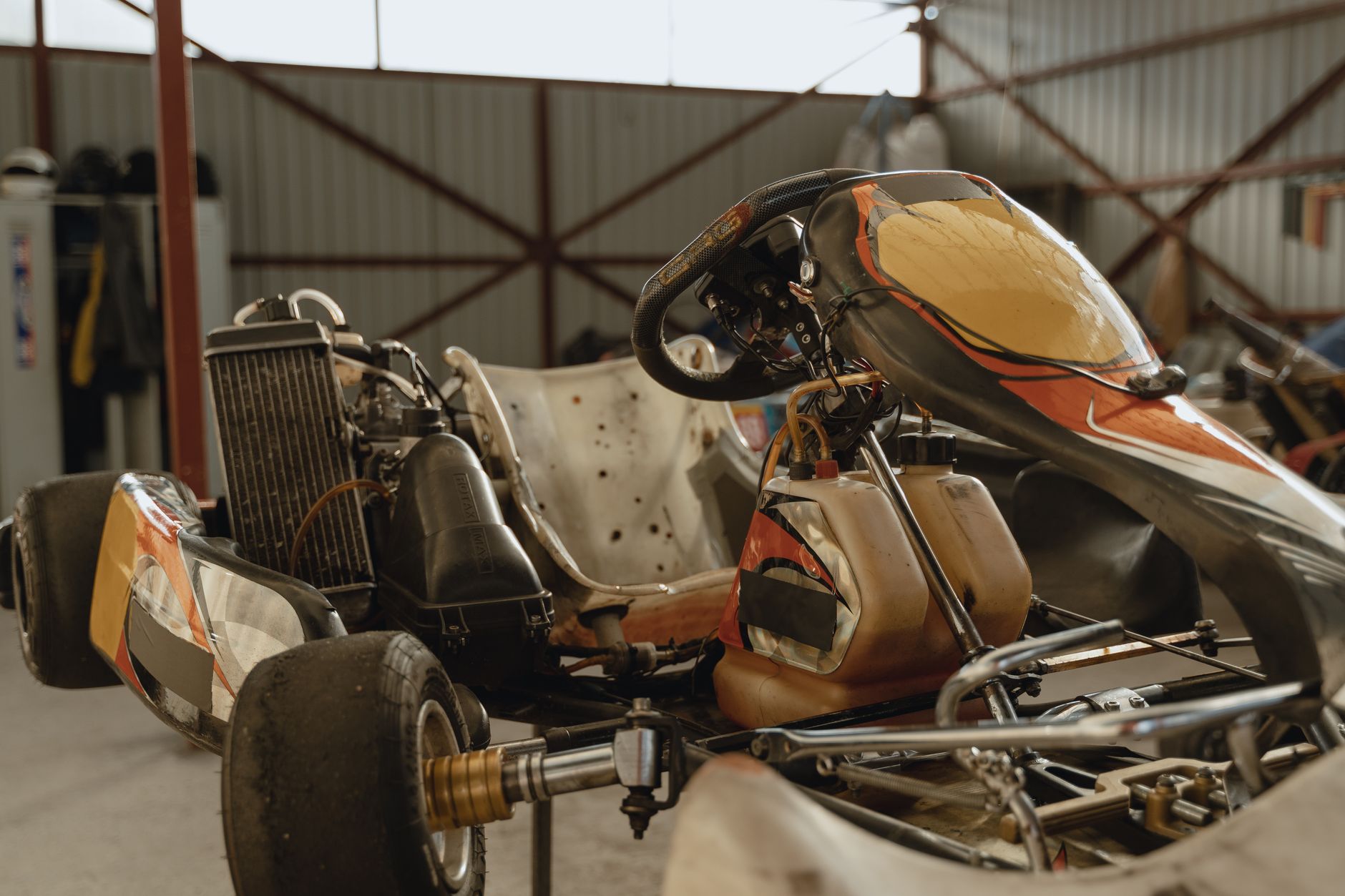
The automotive sector is currently experiencing a period of intense polarization. On one hand, manufacturers are pushing the boundaries of vehicle design, motorsport regulations, and alternative powertrains. On the other hand, legacy automakers are facing significant operational challenges that require drastic corporate restructuring in order to remain competitive. As consumer demands shift and electric vehicles continue to disrupt traditional product cycles, the industry is navigating a complex transition that impacts everything from factory floors to the highest tiers of endurance racing.
Corporate Restructuring and Labor Impacts
A stark illustration of the industry's shifting economic realities recently emerged from Germany. According to a recent report by Road & Track, the chief executive officer of Volkswagen is reportedly looking to lay off a staggering 100,000 employees. The implications of a workforce reduction of this magnitude are profound, signaling major strategic pivots within the company's global operations.
In addition to the massive reduction in headcount, the restructuring plan supposedly includes the shuttering of four manufacturing factories. A reduction of 100,000 employees is rarely seen outside of major global economic downturns or total corporate reinventions. For a company of Volkswagen's historic scale—operating numerous brands and employing hundreds of thousands globally—such a mandate indicates a fundamental shift in how the company views its future capacity needs. Shuttering four factories not only impacts the immediate workforce but also ripples through the local economies and international supply chains that rely on those production hubs. As the industry faces the costly transition to electric vehicles and variable global demand, legacy automakers are being forced to make difficult calculations regarding their physical footprints and labor forces.
Setting New Benchmarks in Vehicle Quality
While some sectors of the market are contracting, other brands are achieving notable milestones in manufacturing consistency and consumer satisfaction. The latest findings from the industry-standard JD Power Study of Initial Quality highlight a clear division between luxury and mainstream success.
As detailed by Road & Track, Porsche has taken the lead in the overall JD Power study. The German automaker's flagship sports car, the legendary 911, was specifically highlighted not just for delivering thrills behind the wheel, but for leading the entire automotive industry in having the fewest problems during the first part of ownership. This metric is closely watched by consumers and industry analysts alike, as initial quality often correlates with long-term brand loyalty and reduced warranty costs for the manufacturer.
The recent quality reports highlight several key industry dynamics:
- Porsche leads the entire automotive sector in the JD Power Study of Initial Quality.
- The Porsche 911 specifically recorded the fewest problems during early ownership across all tested models.
- Ford secured the top position among mainstream brands, proving high-volume production can maintain strict quality standards.
The distinction between premium and mainstream brands in quality studies is vital for consumers. Ford's ability to top the mainstream category indicates a strong focus on initial quality control at a higher volume of production, balancing everyday affordability with reliable early-ownership experiences.
The Escalating Electric Vehicle Rivalries
The transition toward electrification continues to be a central theme for the industry, prompting fierce competition among the world's highest-volume automakers. In the electric sport utility vehicle segment, the rivalry is particularly intense as legacy brands attempt to capture market share from established EV pioneers.
The electric vehicle market has matured past the early adoption phase, and consumers are now demanding the same continuous improvements they have come to expect from internal combustion vehicles. A recent comparison test conducted by Car and Driver brought this rivalry into sharp focus, pitting the 2026 Tesla Model Y against the 2026 Toyota bZ. Both vehicles represent critical volume sellers for their respective parent companies. The Tesla Model Y has long been a global superstar in the EV space, and the 2026 iteration brings further improvements to a proven formula that has fundamentally reshaped consumer expectations for electric range and charging infrastructure.
To compete with Tesla's dominance, Toyota has taken strategic steps to enhance its own electric offerings. The Japanese automaker has refreshed and notably renamed its EV SUV, introducing the 2026 Toyota bZ as a direct challenger. Car and Driver's reporting frames this as a battle of two bestsellers, highlighting the ongoing question of whether Toyota's revamped electric strategy can successfully topple Tesla's established footprint in the highly lucrative electric SUV market.
Exclusivity and Evolving Motorsport Regulations
Beyond mass-market production and electric utility vehicles, the automotive industry continues to celebrate low-volume exclusivity and top-tier motorsport. In the realm of bespoke luxury, boutique manufacturers are still finding ways to appeal to traditional enthusiast sensibilities. According to Car and Driver, Touring Superleggera recently revealed the Veloce12 Aperta. This newly unveiled supercar features a removable targa top, a design choice specifically engineered to offer drivers the delight of wind-in-the-hair motoring while maintaining the vehicle's striking structural aesthetics.
Parallel to these developments in street-legal luxury, the pinnacle of sports car racing is preparing for a significant regulatory overhaul. Road & Track reports that new rules are slated for the 24 Hours of Le Mans and the broader Hypercar class starting in 2030. The upcoming regulations will mandate a rear-wheel-drive (RWD) only format for the Hypercar category.
Motorsport has long served as a laboratory for consumer vehicle technology, but the escalating costs of development can sometimes outpace the benefits. Currently, the top-tier series relies on innovative all-wheel-drive (AWD) hybrid systems. While these AWD powertrains represent the absolute cutting edge of racing technology, they are also immensely complex and expensive to develop. The shift to RWD-only rules is viewed as a necessary evolution for the continued health of the series.
By simplifying the drivetrain requirements, organizers intend to make top-tier sports car racing more accessible to a wider array of manufacturers and privateer teams. While this means sacrificing some of the AWD innovation currently seen on the track, the long-term benefit is a more sustainable, robust, and financially viable competitive field for the next decade of endurance racing.
Key Takeaways
- Volkswagen is reportedly planning significant corporate restructuring, including the potential layoff of 100,000 employees and the closure of four factories.
- Porsche and Ford led the luxury and mainstream categories respectively in the latest JD Power Study of Initial Quality, with the Porsche 911 achieving the fewest early-ownership problems.
- The 24 Hours of Le Mans will mandate rear-wheel-drive only rules for the Hypercar class by 2030 to increase accessibility and reduce the exorbitant costs of all-wheel-drive hybrid development.
Frequently asked questions
What are the new rules for Le Mans Hypercars in 2030?
According to Road & Track, the 2030 regulations will mandate a rear-wheel-drive (RWD) only format for the Hypercar category, moving away from complex all-wheel-drive hybrids to make the sport more accessible.
How is Volkswagen changing its manufacturing footprint?
Reports indicate that the Volkswagen CEO is looking to lay off up to 100,000 employees and shutter four factories as part of a massive corporate restructuring effort.
Which cars performed best in the recent JD Power Initial Quality Study?
Porsche took the overall lead in the study, with the Porsche 911 recording the fewest problems during the first part of ownership. Ford secured the top spot among mainstream automotive brands.
- 01Car and Driver: Touring Superleggera Pops the Top off Its Veloce12 Supercar
- 02Road & Track: Porsche Leads JD Power Study of Initial Quality, Ford Tops Mainstream Brands
This editorial article was written by US News Desk's editorial desk using current reporting from the publishers above. All facts were grounded against these sources.