Global Shifts: From High-Capacity Computing Infrastructure to Domestic Privacy
*As global computing infrastructure scales to meet massive demand, domestic conversations around surveillance and media transitions offer a complex view of the modern landscape.*
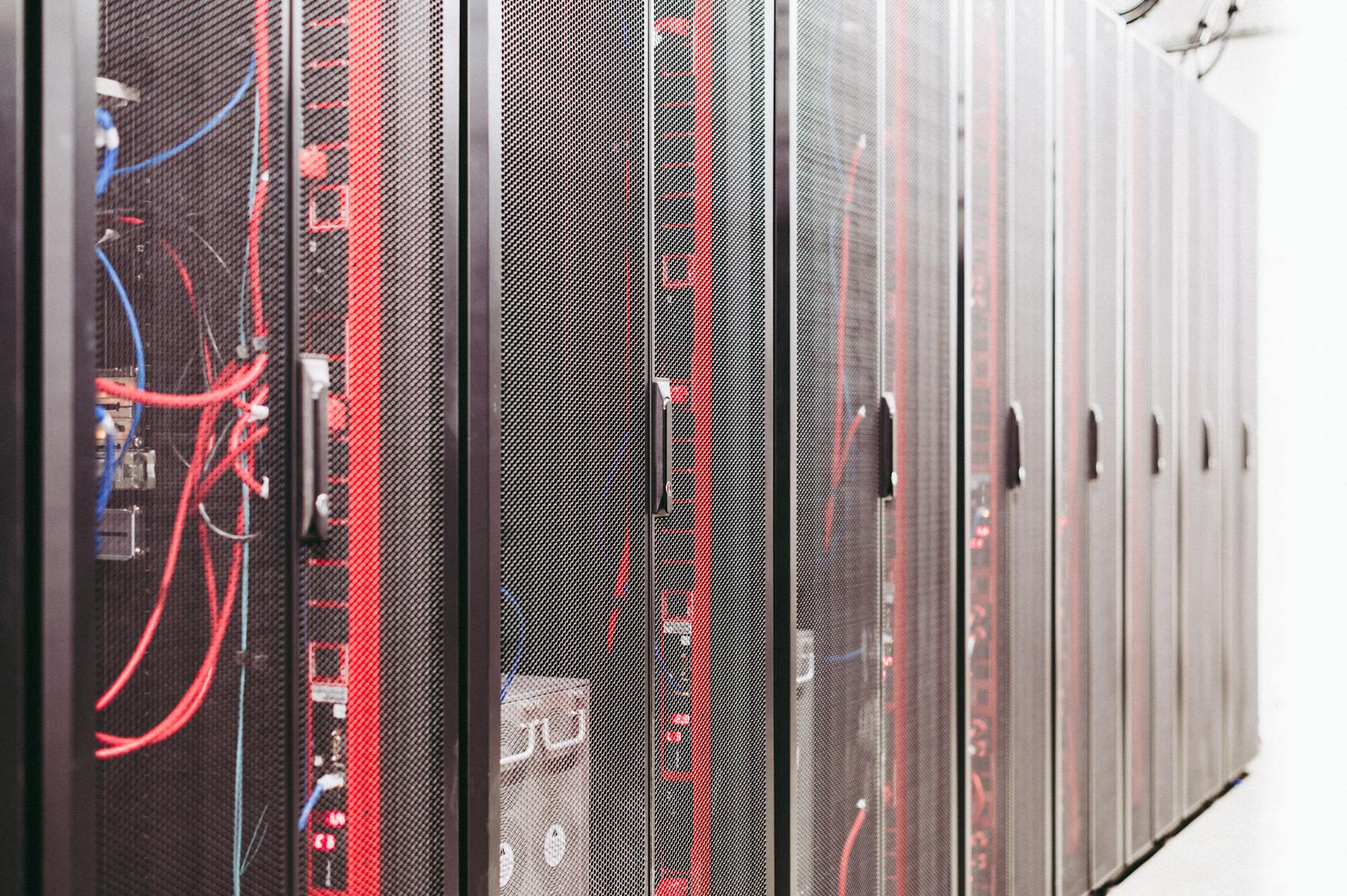
As global computing infrastructure scales to meet massive demand, domestic conversations around surveillance and media transitions offer a complex view of the modern landscape.
The Expansion of High-Performance Data Infrastructure
The global demand for advanced computing power is reshaping physical landscapes, particularly in the Asia-Pacific region. According to a late June 2026 report from The Next Web, Firmus Technologies is embarking on a massive new infrastructure project. The Australian technology infrastructure company, which currently boasts a valuation of $5.5 billion, is set to build its very first high-performance data center in Indonesia.
This development is anchored by an eight-year partnership with the computing hardware giant Nvidia. The scale of the planned facility is immense, slated to be a 360-megawatt (MW) installation. In the world of data processing, megawatts are the standard measure of a facility's capacity. A 360MW data center requires an extraordinary amount of physical space, industrial-grade energy, and advanced cooling mechanisms to keep high-speed processors from overheating.
Indonesia is increasingly viewed as a strategic hub for technology expansion due to its location and growing digital economy, making it an ideal staging ground for such an enormous venture. Furthermore, the financial mechanisms supporting this development underscore the booming market for intensive computing power.
The Next Web reports that Firmus expects to secure $30 billion in offtake deals. In industrial infrastructure, an offtake agreement is a contract between a producer and a buyer to purchase or sell portions of the producer's future goods. In this case, clients are pre-purchasing access to the data center's future processing capabilities.
The key elements of this major infrastructure play include:
- Massive Energy Capacity: A 360MW facility ranks among the largest regional data processing centers, requiring significant electrical grid cooperation.
- Strategic Partnerships: The eight-year alliance with Nvidia ensures that the facility will be equipped with industry-leading processing hardware.
- Financial Viability: Anticipating $30 billion in offtake agreements virtually guarantees massive market demand for the center's computing resources before construction is even finished.
Unconventional Tracking and Civil Liberties
While international technology deals focus on the future of data processing, domestic developments continue to raise serious questions about how technology is currently being deployed by government entities. In a concerning report from Gizmodo published on June 28, 2026, federal agents reportedly tracked down a father known for anti-ICE activism to a hotel in New York.
The core issue highlighted by Gizmodo is not just the tracking itself, but the lack of clarity surrounding the methods used. It is relatively easy for digital privacy advocates to imagine the types of technologies federal agents could have deployed—such as mobile phone geolocation, cellular site simulators, or digital hotel registry sweeps. However, Gizmodo notes that none of the technologies capable of pinpointing an individual in this manner would be considered normal in this specific context.
This incident touches upon a growing friction between law enforcement operations and digital civil liberties. Immigration and Customs Enforcement (ICE) and other federal agencies have access to deeply sophisticated tracking tools originally designed for large-scale operations. When these tools are allegedly used to locate activists or individuals outside of standard operational norms, it sets off alarms for privacy watchdogs.
The lack of transparency regarding the exact tracking technology deployed in the New York hotel incident leaves the public guessing. It serves as a stark reminder of the massive digital footprints modern citizens leave behind every day, and how easily that data can be monitored by state actors using tools that operate largely in the shadows.
Entertainment Transitions and Live Performance
On the cultural front, the ways in which performers interact with technology and audiences continue to evolve. According to a June 27, 2026, exclusive from Deadline, comedic actress Chloe Troast is making a significant shift in her performance career. Troast, who gained widespread recognition as a cast member during the 2023-2024 season of NBC's Saturday Night Live, is stepping away from the high-tech, multi-camera environment of network television.
Troast is set to write and star in a new theatrical experience titled "Pepper Slit: Live In Her Living Room," an Off-Broadway production directed by Sam Blumenfeld. This transition highlights a common trajectory for broadcast television alumni who seek out more intimate, unmediated spaces to develop their craft.
Saturday Night Live represents the pinnacle of broadcast technology—a live, heavily produced, globally distributed weekly event requiring massive logistical and technical support. Moving to an Off-Broadway stage strips away the digital screens, broadcast delays, and television rating pressures. The intimate nature of an Off-Broadway production, explicitly themed around a "living room," suggests a desire for a direct, physical audience connection.
In an era increasingly dominated by massive data centers and pervasive digital surveillance, the appeal of live, in-person theatrical experiences remains strong. Troast's upcoming collaboration with Sam Blumenfeld demonstrates that even as technology rapidly scales, there is still immense cultural value placed on traditional, face-to-face storytelling.
Key Takeaways
- Australian infrastructure firm Firmus Technologies is partnering with Nvidia to build a massive 360MW data center in Indonesia, expecting $30 billion in future offtake deals.
- Federal agents recently tracked down an anti-ICE activist in a New York hotel using surveillance methods that Gizmodo reports are highly unusual for the context.
- Comedian and former Saturday Night Live cast member Chloe Troast is transitioning from broadcast television to an Off-Broadway production titled 'Pepper Slit: Live In Her Living Room'.
Frequently asked questions
What is an offtake deal in data center infrastructure?
An offtake deal is an agreement where clients pre-purchase a facility's future computing capacity. This guarantees revenue for the producer and helps secure long-term financial stability for massive infrastructure projects.
Why are recent federal tracking operations raising privacy concerns?
Recent reports indicate that federal agents located an activist in a New York hotel using tracking technologies that are not considered standard or normal for that specific context, raising significant questions regarding civil liberties and domestic surveillance oversight.
Who is Chloe Troast and what is her new project?
Chloe Troast is a comedian and actress known for her work on the 2023-2024 season of Saturday Night Live. She is transitioning to the stage to write and star in 'Pepper Slit: Live In Her Living Room,' directed by Sam Blumenfeld.
- 01The Next Web: Nvidia-backed Firmus will build a 360MW AI data centre in Indonesia and expects $30 billion in offtake deals
- 02Gizmodo: Federal Agents Reportedly Tracked Down an Anti-ICE Dad in a New York Hotel. It’s Not Clear How
- 03Deadline: ‘SNL’ Alum Chloe Troast To Write & Star In ‘Pepper Slit: Live In Her Living Room’ Off Broadway
This editorial article was written by US News Desk's editorial desk using current reporting from the publishers above. All facts were grounded against these sources.