Tech Industry Shifts: Hardware Crunches, Slack Integrations, and PACs
*From rising laptop prices and storage constraints to advanced workplace algorithms and corporate political spending, the tech sector faces rapid shifts.*
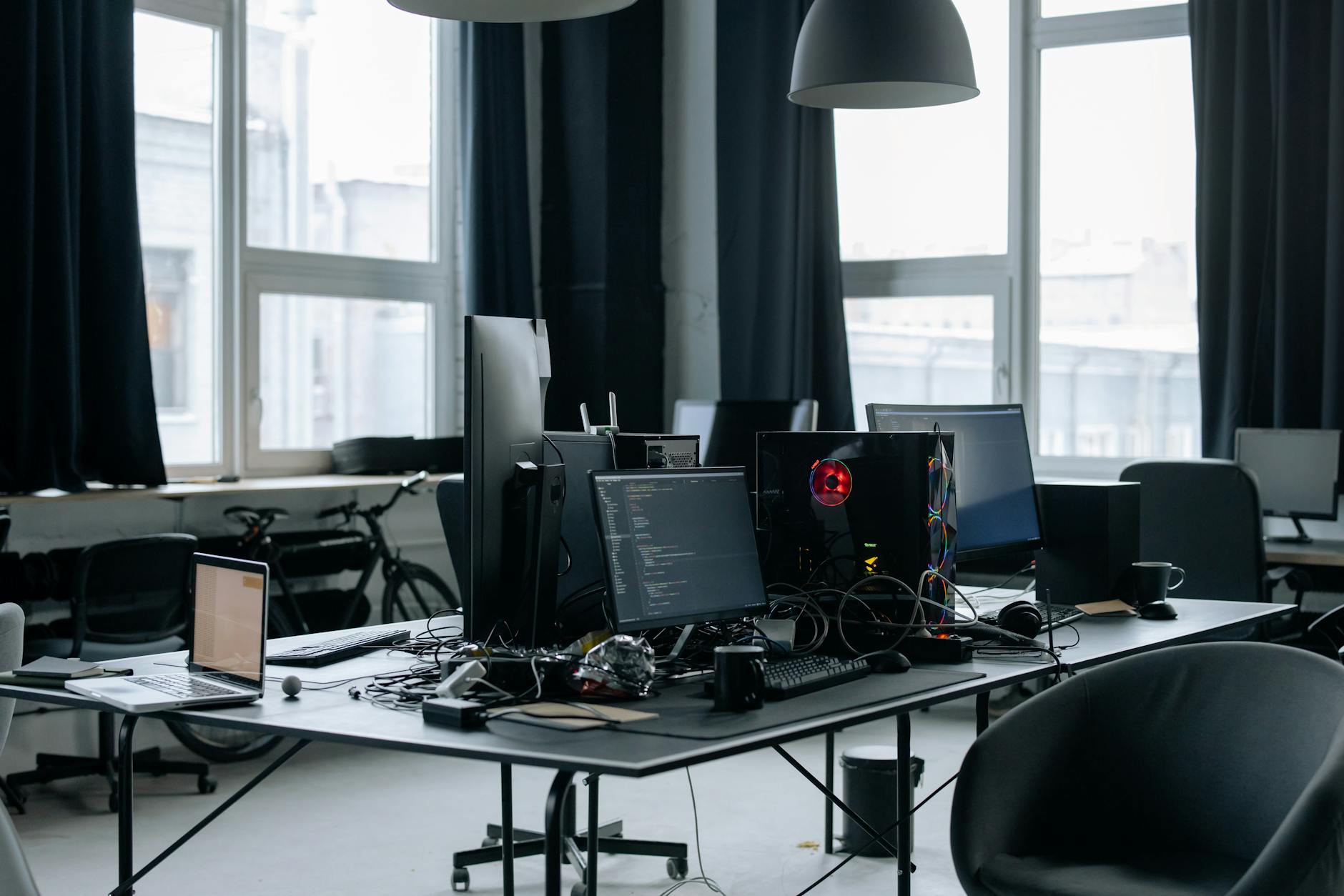
The technology sector is currently navigating a complex intersection of hardware supply chain constraints, rapid software integration in the workplace, and unprecedented political spending. For consumers and enterprise leaders alike, understanding these shifts is critical. Recent developments underscore a broader trend: fundamental technology is becoming more expensive to acquire, sophisticated tools are becoming more deeply embedded in daily corporate operations, and major industry players are increasingly invested in shaping the political landscape.
The Component Crunch and Consumer Costs
According to reporting from The Verge, the consumer electronics market is currently experiencing a severe constraint regarding essential internal parts. A significant component crunch affecting RAM and data storage hardware has fundamentally disrupted the traditional pricing model for personal computers. Historically, shoppers could rely on a predictable depreciation cycle: a personal computer released a year ago would see substantial discounts as newer versions hit the shelves. This cycle typically allowed everyday users to access reliable technology without paying a premium.
However, The Verge notes that this predictable cycle has been entirely upended. Both older models that have been on store shelves for over a year and recently released laptops are seeing notable price increases. Furthermore, newly launched generations of hardware are debuting at noticeably higher baseline prices than their predecessors. Because Random Access Memory (RAM) and primary storage drives are the backbone of any computing device, shortages in these areas force manufacturers to pass elevated production costs directly to the end user. This dynamic puts a heavy strain on businesses relying on enterprise fleet upgrades, as well as individual consumers.
To navigate these rising costs, shoppers are increasingly reliant on massive retail events. Wired reports that consumers are turning to comprehensive sales like Amazon Prime Day to find practical deals on reliable gear. The publication highlighted its efforts to rigorously test 95 specific deals on items they would spend their own money on, demonstrating the necessity of careful curation when everyday baseline prices are inflated. The Verge similarly emphasized that Prime Day deals are currently one of the few viable ways to partially offset the frustrating reality of modern hardware pricing.
Transforming Enterprise Workflows
As physical computing hardware becomes more expensive, the software running on those devices is becoming substantially more complex and integrated into daily corporate life. A prime example of this evolution is happening within popular workplace communication platforms. Engadget reports that Anthropic has officially introduced a new feature, @Claude for Slack, effectively taking over the duties previously held by the traditional Slackbot.
This transition represents far more than a superficial update to a chat application. According to TechCrunch, this new integration acts as an always-on teammate that goes well beyond basic productivity tasks. The Claude Tag is explicitly designed to learn the intricacies of a company by processing daily communications, one message at a time. This represents a strategic shift in enterprise software deployment. Instead of relying on human employees to manually document processes and routines, the automated tool actively captures institutional knowledge and complex organizational context directly from the natural flow of workplace conversation.
The implications for remote and hybrid workflows are profound, changing how businesses manage internal data:
- Seamless Knowledge Transfer: By absorbing organizational context, the software can theoretically assist new employees in understanding company protocols without requiring extensive human intervention.
- Workflow Automation: Enterprise routines often happen informally in chat threads; capturing these patterns helps standardize and streamline daily operations.
- Deep Integration: Replacing a basic query tool with a sophisticated learning system means the software becomes an active, embedded participant in corporate strategy rather than just a passive utility.
TechCrunch highlights that this is a deliberate and strategic play by Anthropic. By embedding its advanced technology deeply into enterprise workflows, the company aims to make its tool an indispensable pillar of corporate operations.
Technology's Expanding Political Footprint
Beyond hardware manufacturing and workplace software integration, the influence of the technology sector is expanding heavily into the political arena. As regulatory scrutiny increases on a global scale, major corporate entities are aggressively participating in the political process to protect their long-term operational interests.
Reporting from The Verge’s "Regulator" newsletter sheds light on the sheer scale of this political maneuvering. The publication notes that the newsletter specifically chronicles the misadventures of tech overlords and Washington political figures, highlighting the ongoing friction between private innovation and public oversight. Recently, corporate tech super PACs spent an astonishing $27 million on a single local election, specifically targeting New York's 12th district in a race involving Alex Bores.
This massive level of financial injection into a regional race highlights how critical local policy has become to national and international tech conglomerates. By investing tens of millions of dollars into specific districts, corporate super PACs aim to influence the lawmakers who might eventually draft regulations affecting algorithmic software deployment, digital privacy laws, and hardware manufacturing subsidies.
The Verge's coverage illustrates that these efforts are not isolated incidents but reflect ongoing, high-stakes battles over industry regulation. As these tech companies grow in wealth and societal influence, their willingness to leverage massive capital in local political arenas demonstrates a highly proactive approach to shaping future legislation before it is even drafted.
Ultimately, from the rising consumer costs of basic storage components to sophisticated software absorbing company workflows, the modern technological ecosystem is evolving at breakneck speed. Consumers and business leaders alike must adapt to an environment where hardware is more precious and software is more pervasive, all while the industry itself spends millions to secure its regulatory future.
Key Takeaways
- A severe component crunch affecting RAM and storage is driving up laptop prices, forcing consumers to rely on retail events like Prime Day for relief.
- Anthropic's new @Claude for Slack integration replaces the traditional Slackbot, strategically capturing institutional knowledge and organizational context.
- Corporate tech super PACs recently spent $27 million on a local election in New York's 12th district, highlighting the industry's massive investments to shape regulation.
Frequently asked questions
Why are laptop prices increasing right now?
According to The Verge, a crunch in essential components like RAM and storage hardware has disrupted traditional pricing, causing both older and newer laptop models to increase in price.
What is the new @Claude integration for Slack?
Reported by TechCrunch and Engadget, @Claude is a new feature from Anthropic that replaces Slackbot. It functions as an always-on teammate designed to learn enterprise workflows and capture institutional knowledge from daily messages.
How much did tech super PACs spend on the recent New York local election?
As covered by The Verge, corporate tech super PACs spent $27 million on a local election in New York's 12th district involving Alex Bores.
- 01Wired: 95 Prime Day Deals on Gear We’ve Tested and Would Spend Our Own Money On
- 02The Verge: Why corporate AI super PACs spent $27 million on a local election
- 03TechCrunch: Anthropic’s Claude Tag is learning your company, one Slack message at a time
- 04Engadget: Sorry, Slackbot. Claude is taking your job
This editorial article was written by US News Desk's editorial desk using current reporting from the publishers above. All facts were grounded against these sources.