The Auto Industry in Transition: Autonomous Milestones and Legacy Strategy Shifts
*As technology conglomerates achieve new milestones in autonomous driving, traditional automakers are fundamentally restructuring their product lines.*
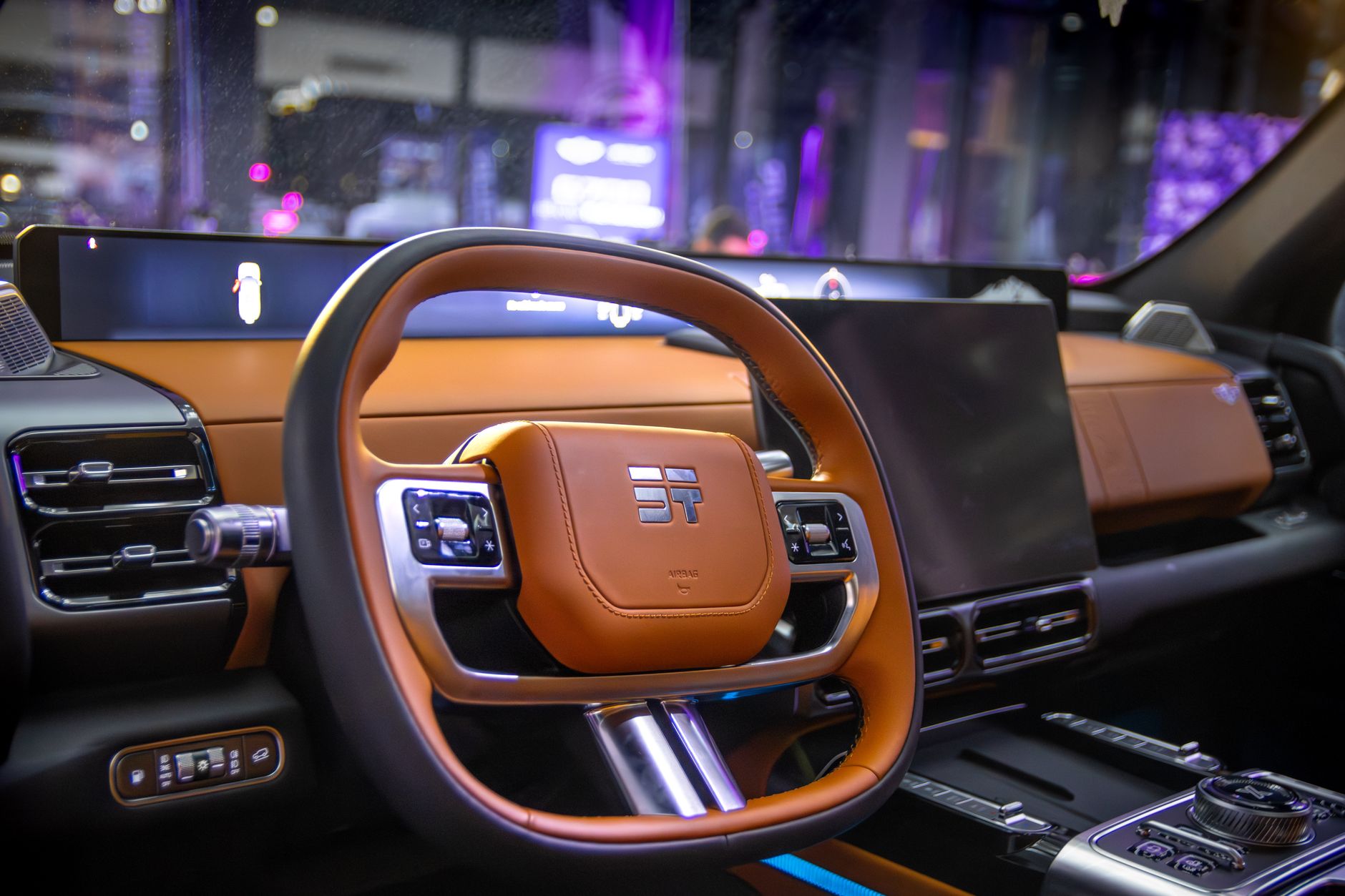
The global automotive landscape is currently navigating one of the most dramatic transitional periods in its history. On one side of the industry spectrum, non-traditional technology companies are entering the vehicle manufacturing space and immediately challenging long-standing performance benchmarks. On the other side, legacy automakers with decades of heritage are rethinking everything from vehicle body styles to fundamental corporate profit formulas.
These shifts reflect a broader realignment of consumer expectations, regulatory pressures, and the sheer cost of modern automotive engineering. From autonomous track records to the quiet retirement of beloved enthusiast vehicles, the modern automotive sector is rapidly evolving into a technology-first industry.
The Rise of the Tech-Driven Automaker
Perhaps the most stark indicator of how rapidly the industry is changing is the emergence of consumer electronics companies as legitimate automotive manufacturers. According to reporting by Road & Track, the Chinese technology brand Xiaomi recently made global automotive history at the famously grueling Nürburgring circuit in Germany.
Their electric vehicle, the Xiaomi YU7 GT SUV, completed a lap of the legendary Nordschleife in exactly 10 minutes and 29.5 seconds. What makes this achievement remarkable is not just the lap time itself, but the fact that the vehicle ran the entire circuit without a human driver behind the wheel. The autonomous SUV successfully navigated all 73 corners of the notoriously complex and unforgiving track.
The Nürburgring Nordschleife has long been the gold standard for testing vehicle dynamics, serving as the ultimate proving ground for the world's most established sports car manufacturers. For a Chinese consumer technology company to field an electric vehicle capable of conquering this circuit entirely autonomously underscores a massive technological shift. It signals to legacy automakers that the barrier to entry in the high-performance EV and autonomous driving spaces is rapidly changing, driven by companies with deep expertise in software and electronics.
The Push for Affordable Electric Vehicles
While autonomous technology showpieces capture headlines and push the boundaries of software engineering, major volume manufacturers are attempting to solve a more immediate consumer challenge: the affordability of electric vehicles. The transition away from internal combustion engines has often been hampered by high purchase prices, leaving many consumers effectively priced out of the market.
As reported by Autocar, Ford is taking aggressive steps to rectify this issue. The American automaker is currently testing a landmark $30,000 pickup truck in the United States, aiming to hit a critical price point that has largely eluded modern EV manufacturers. However, the company's ambitions for attainable electrification extend well beyond the American market.
Ford has hinted at the potential of bringing new, affordable electric vehicles to Europe and the United Kingdom. These future models are reportedly being developed using a new "skunkworks" platform heavily influenced by Formula 1 engineering principles. In the automotive industry, a skunkworks project typically refers to a small, isolated team of engineers given the freedom to develop radical innovations outside standard corporate bureaucracy. By leveraging this specialized, highly efficient platform, Ford hopes to complement its revamped European lineup with battery-powered vehicles that are financially accessible to a much broader demographic.
Chasing Profit Over Volume
Not every traditional automaker is chasing the high-volume, affordable electric vehicle market. At the opposite end of the economic spectrum, luxury brands are learning to adapt to modern manufacturing challenges by fundamentally altering their core business strategies.
According to Car and Driver, Porsche CEO Michael Leiters is actively pushing the renowned German sports car manufacturer to increase its profits despite an overall downturn in vehicle production. Rather than attempting to manufacture and sell a higher volume of cars to boost revenue, Porsche is pivoting toward a business model that relies heavily on brand exclusivity.
To achieve higher profit margins on a lower volume of production, Leiters has indicated that the company will focus on producing more high-end flagship models and exclusive special editions. This strategy relies on the economic principle that affluent, enthusiast buyers are willing to pay a significant premium for rarity and bespoke engineering. By leaning into its heritage and brand prestige, Porsche aims to maintain robust financial health and fund future technological developments without needing to manufacture as many physical units.
The Fading Icons: Wagons and Sports Sedans
This relentless push toward the future—whether driven by autonomous software, highly efficient EV platforms, or high-margin luxury strategies—is inevitably leaving some traditional vehicle segments behind. Enthusiast-favorite body styles and historic nameplates are increasingly being relegated to the history books as manufacturers aggressively reallocate their resources.
According to a report by Motor1, automakers are publicly acknowledging that station wagons are steadily fading from their lineups. In a discussion regarding Hyundai, it was noted that the disappearance of the wagon is not solely tied to declining consumer demand. While the overwhelming global popularity of sport utility vehicles has certainly siphoned buyers away from traditional car shapes, the broader shift in industry priorities has made it exceptionally difficult for corporate boards to justify the massive engineering costs required to update low-volume body styles.
Similarly, legendary performance nameplates are remaining dormant despite intense nostalgic appeal from automotive enthusiasts. Motor1 also reports that Mitsubishi continues to view its iconic Lancer Evolution as a company "treasure." However, the Japanese automaker has frankly admitted that it is currently not in a position to revive the famed all-wheel-drive sports sedan.
For fans of traditional performance cars, these admissions underscore a stark industry reality. The immense capital required to compete in the modern era of electrification, software development, and autonomous driving leaves virtually no room for reviving old icons. As the automotive industry charges forward, the focus has shifted entirely to the vehicles—and the technologies—that will define the next century of transportation.
Key Takeaways
- Consumer technology companies are disrupting traditional auto benchmarks, highlighted by the Xiaomi YU7 GT's driverless 10:29.5 lap at the Nürburgring.
- Major automakers are diverging in their business strategies; Ford is focusing on affordable, F1-inspired EV platforms, while Porsche is targeting higher profits through lower-volume special editions.
- The massive capital required for EV and autonomous development is forcing the retirement of niche enthusiast vehicles, including traditional station wagons and iconic sports sedans like the Mitsubishi Lancer Evolution.
Frequently asked questions
What record did the Xiaomi YU7 GT set?
The Chinese tech giant's electric SUV completed an autonomous, driverless lap of the Nürburgring Nordschleife, navigating all 73 corners in 10 minutes and 29.5 seconds.
How is Porsche adjusting its business strategy during a production downturn?
Porsche CEO Michael Leiters is targeting increased profitability by focusing on high-end flagship vehicles and exclusive special editions, aiming for higher margins rather than higher sales volume.
Will Mitsubishi bring back the Lancer Evolution?
While Mitsubishi considers the Lancer Evolution a company treasure, the automaker has stated it is not currently in a financial or strategic position to revive the famous sports sedan.
- 01Car and Driver: Porsche's CEO Wants More Profits Despite Production Downturn
- 02Autocar: Ford could bring F1-inspired 'skunkworks' EVs to Europe
- 03Motor1: 'There’s a Reason We Don't Talk About Them Much:' The Case Against Wagons
- 04Road & Track: Xiaomi YU7 GT Makes Nurburgring History, Runs 10:29.5 Lap Without a Driver
This editorial article was written by US News Desk's editorial desk using current reporting from the publishers above. All facts were grounded against these sources.