The Evolution of Motoring: From the Model T to Modern Tech
*From complex early transmissions to real-time off-road telemetry and high-stakes racing, the automotive landscape continues to rapidly evolve.*
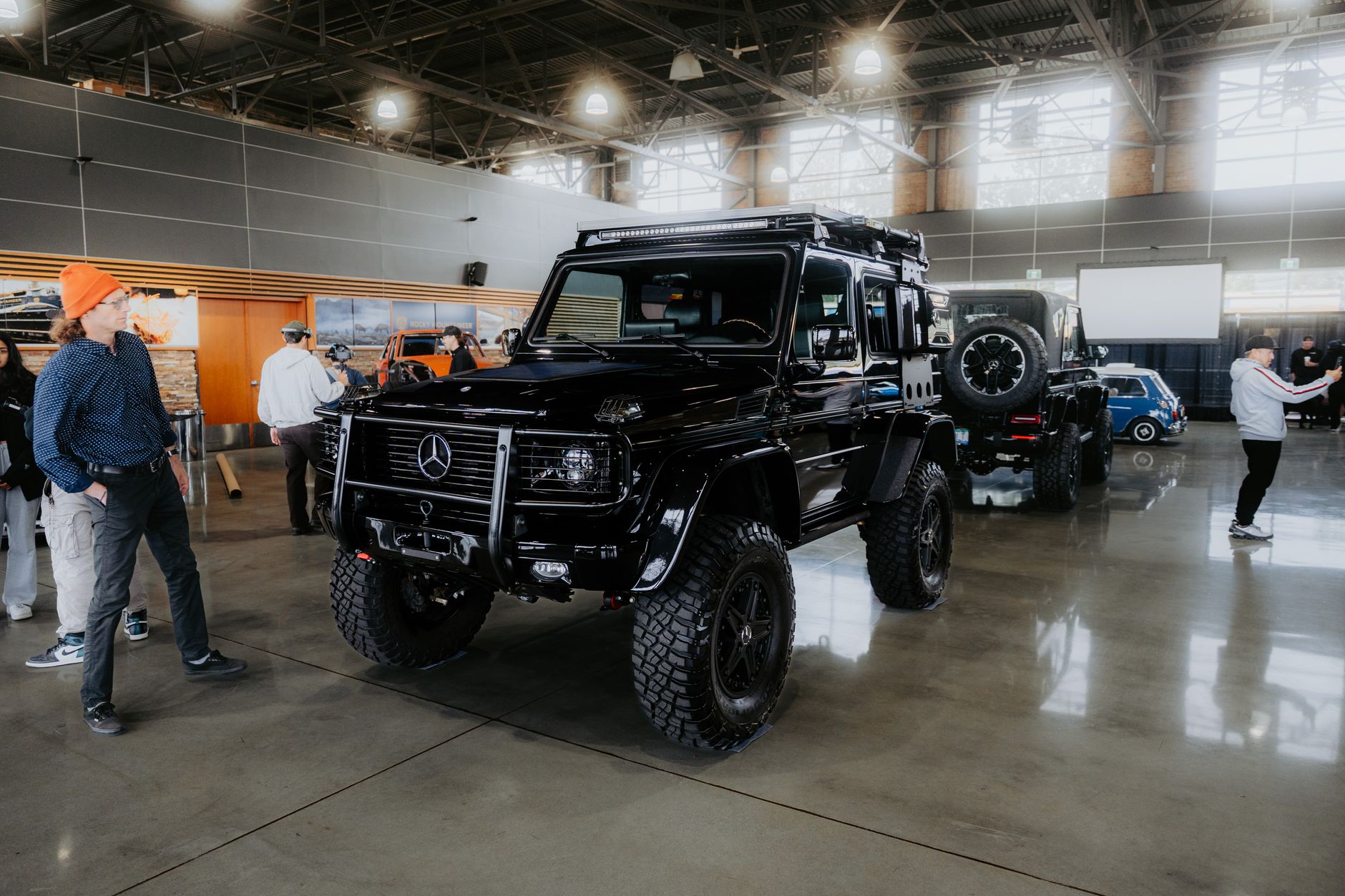
From complex early transmissions to real-time off-road telemetry and high-stakes racing, the automotive landscape continues to rapidly evolve.
The automotive landscape in the United States represents a sprawling continuum of mechanical innovation, consumer economics, and high-speed competition. From the early days of personal mobility—where drivers wrestled with unforgiving mechanical linkages—to the modern era of seamless smartphone integration and precision telemetry, the journey of the automobile is a testament to rapid technological progress. Today, drivers interface with vehicles in profoundly different ways than their predecessors. Whether it involves evaluating the everyday value of a new sport utility vehicle, utilizing advanced applications to navigate off-road trails, or watching elite professionals execute impossible comebacks on iconic race tracks, car culture remains deeply woven into the fabric of daily life.
The Complex Reality of Early Motoring
The Ford Model T is universally recognized for altering the course of history, serving as the catalyst for widespread personal mobility in the United States and beyond. Yet, a retrospective look at this pioneering vehicle reveals that its mechanical underpinnings were far from intuitive. According to Jalopnik, while the car itself may look remarkably simple by today’s design standards, its powertrain was anything but straightforward.
The planetary transmission utilized in the Model T could be an absolute nightmare to operate for the uninitiated. Unlike the standardized manual gearboxes or seamless automatic transmissions that dominate modern roads, the Model T required a complex choreography of foot pedals and hand levers just to maintain forward momentum. This gear system, while highly innovative for its era, stands as a historical testament to the steep learning curve early motorists faced before driving became a universally accessible skill.
Hands-On Automotive History
For enthusiasts and historians eager to experience this historical complexity firsthand, there are still physical venues dedicated to preserving the tactile reality of early driving. Reporting from Jalopnik highlights an ongoing initiative by the Gilmore Car Museum that bridges the gap between static displays and interactive education.
The museum currently offers visitors the rare opportunity to actually drive a genuine Ford Model T. For a price of less than $100, attendees are provided with a comprehensive, hands-on 3.5-hour driving lesson. This experience demystifies the infamous planetary transmission by putting modern drivers directly behind the wheel. Beyond the driving lesson itself, the ticket price grants full admission to the museum's sprawling facilities. The Gilmore Car Museum operates a massive 190,000-square-foot compound, housing an extensive collection of over 500 cars. This allows visitors to contextualize their driving experience within the broader narrative of automotive evolution, wandering through decades of design and engineering advancements under a single roof.
Evaluating Modern SUV Value
Moving from historical artifacts to the contemporary consumer market, today’s automotive landscape is defined by an overwhelming array of choices, features, and trim levels. Finding the optimal balance between cost and utility remains a primary concern for modern buyers.
Recent coverage from Car and Driver addresses this exact challenge by analyzing the Mazda CX-90 SUV line-up to determine which model stands as the best buy. When evaluating modern sport utility vehicles, consumers are often faced with distinct trim variations that heavily alter the vehicle's technological offerings, interior comfort, and overall on-road performance. The goal for automotive analysts is to help potential buyers decide which specific CX-90 configuration provides the most tangible value for their money. By breaking down the standard equipment versus premium upgrades, buyers can successfully navigate the complex pricing structures that define the modern dealership experience, ensuring their investment translates into everyday utility.
Digital Integration on the Trail
Beyond simple utility, modern vehicles are increasingly becoming mobile digital hubs, particularly for enthusiasts venturing off paved roads. According to The Drive, Honda has introduced a new Off-Road App specifically designed for its rugged TrailSport models.
The Honda Trail Experience application seamlessly integrates with the vehicle’s existing infotainment architecture, operating directly through Apple CarPlay. This digital tool provides off-road drivers with real-time telemetry and data readouts that were once the exclusive domain of specialized aftermarket equipment. Through the app, drivers gain immediate access to crucial environmental and mechanical data points, including:
- Pitch metrics to monitor front-to-back tilt on steep inclines
- Roll data to assess side-to-side vehicle stability over uneven ground
- Throttle position readouts for precise power management and traction control
In addition to serving as a practical data hub for traversing challenging terrain, the Honda app also incorporates a video sharing feature, allowing modern adventurers to record and broadcast their off-road experiences. This integration of complex data monitoring and social connectivity underscores how deeply embedded digital technology has become in the modern driving experience.
The Thrill of Modern American Racing
The pinnacle of automotive engineering and driver skill continues to be showcased on America's premier racing circuits. A recent and highly dramatic example unfolded at Road America, as reported by Road & Track. The IndyCar series event featured an extraordinary performance by Arrow McLaren driver Christian Lundgaard, who managed to race through the entire field to secure a hard-fought victory.
Lundgaard’s path to the top of the podium was anything but straightforward. On the very first lap of the race, his vehicle made contact with veteran driver Scott Dixon. The collision resulted in substantial damage to Lundgaard's car, forcing him into the pits to completely replace his front wing. This unscheduled early stop sent him all the way to the back of the competitive pack. Despite the massive disadvantage and lost track position, Lundgaard meticulously worked his way back through the field over the course of the race, demonstrating both the mechanical resilience of the Arrow McLaren team and his own exceptional race craft.
Ultimately, the spectrum of the automotive experience is broader today than ever before. While cutting-edge telemetry defines the newest off-road models and modern SUVs offer refined value across a multitude of trims, the foundational history of the automobile remains highly accessible. Through institutions dedicated to preserving the demanding physical reality of early motoring, modern drivers can appreciate exactly how far the industry has evolved. Meanwhile, the raw drama of professional motorsport continues to remind audiences of the enduring human element at the heart of driving. As technology continues to shift the boundaries of what vehicles can do, the fundamental pursuit of mobility, value, and performance remains unchanged.
Key Takeaways
- The Gilmore Car Museum preserves early automotive history by offering affordable, hands-on driving lessons in the mechanically complex Ford Model T.
- Modern consumer vehicles heavily emphasize digital integration and value, highlighted by Honda's new Apple CarPlay-enabled TrailSport telemetry app and Mazda's diverse CX-90 trim options.
- Professional motorsport remains a dramatic test of engineering and skill, recently demonstrated by Christian Lundgaard's impressive worst-to-first comeback victory at Road America.
Frequently asked questions
How much does it cost to drive a Model T at the Gilmore Car Museum?
According to Jalopnik, the museum offers a hands-on 3.5-hour driving lesson for less than $100. This ticket also includes full admission to the museum's massive 190,000-square-foot compound.
What features are included in the new Honda Trail Experience app?
Designed for TrailSport models, the app works through Apple CarPlay and provides drivers with real-time data readouts for pitch, roll, and throttle position, alongside integrated video sharing capabilities.
Who won the recent IndyCar race at Road America?
Arrow McLaren driver Christian Lundgaard won the race. He successfully fought his way from the back of the pack after a lap-one collision with Scott Dixon required an early pit stop to replace his front wing.
- 01Car and Driver: Which Mazda CX-90 Model Is the Best Buy for You?
- 02The Drive: New Honda Off-Road App Brings Data Readouts, Video Sharing to TrailSport Models
- 03Road & Track: Christian Lundgaard Races Through IndyCar Field at Road America to Win After Lap One Contact
- 04Jalopnik: The Ford Model T Looks Simple Until You Get To The Transmission
This editorial article was written by US News Desk's editorial desk using current reporting from the publishers above. All facts were grounded against these sources.